An ongoing conversation about books, music, television, journalism, sport and digital media. These posts explore how stories shape society, how platforms shape perception, and how culture, both high and popular, holds a mirror up to our shared experience.
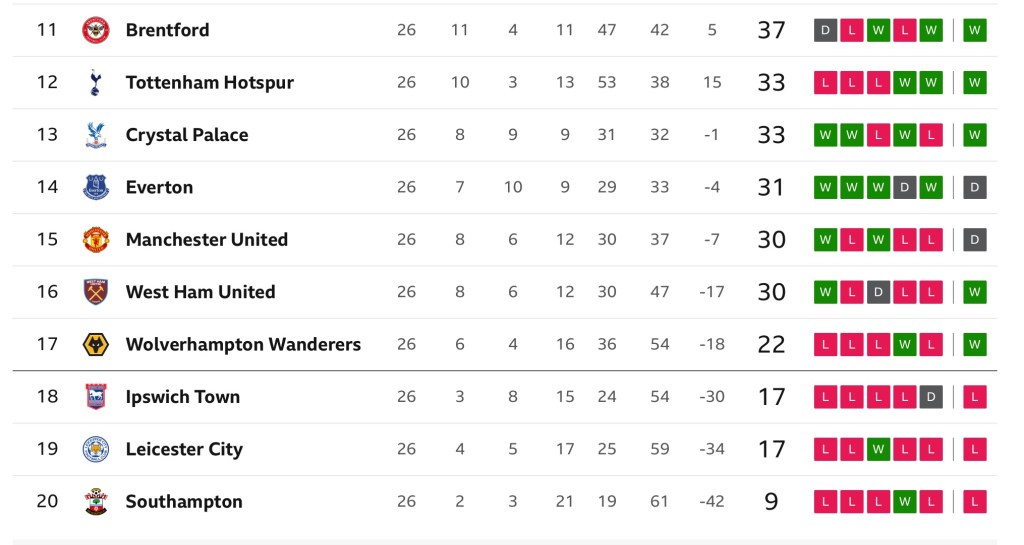
Well, well, well… looks like Manchester United are getting a taste of what we Geordies had to put up with for 14 years under Mike Ashley. Cost-cutting, redundancies, and a general sense that the people running the club see it as more of a financial spreadsheet than a football institution. Welcome to the world of being treated like a “brand” instead of a football club, lads. How’s it feel?
Sir Jim Ratcliffe has come in swinging the axe, with up to 200 staff members getting their marching orders. Free staff meals? Gone. Perks? Vanished. At this rate, the poor sods still employed will be fighting over who gets to lick the spoon in the staff canteen. But don’t worry, there’s “performance-linked incentives” to keep morale up—because nothing motivates an underpaid, overworked employee quite like the vague promise of a bonus that’ll never arrive.
All of this while Man U, a club that rakes in cash like a dodgy bookie, somehow keeps posting financial losses. Turns out that when you spend billions on panic-buys and bloated wages without much thought, it eventually catches up with you. And now, instead of solving the root of the problem, Ratcliffe is going full “Sports Direct” and slashing costs like a man trying to save a sinking ship with a teaspoon.
Now, us Newcastle fans have seen this movie before. Mike Ashley had us running on a skeleton crew, refusing to spend properly while still expecting us to be grateful for the privilege of existing. For years, we were stuck in football purgatory, watching bargain-bin signings and uninspiring football while the club’s bank account got fatter. Sound familiar, United fans? Aye, we thought so.
The difference is, we got out of it. Ashley’s gone, and now we’ve got owners who actually want to win things—imagine that! Meanwhile, Man United are looking more and more like a club stuck in the past, desperately trying to cut costs while pretending they’re still the big boys. If they’re not careful, Old Trafford will start looking as lifeless as St James’ Park did in the Ashley years. But hey, at least their staff will have plenty of room in the canteen now.
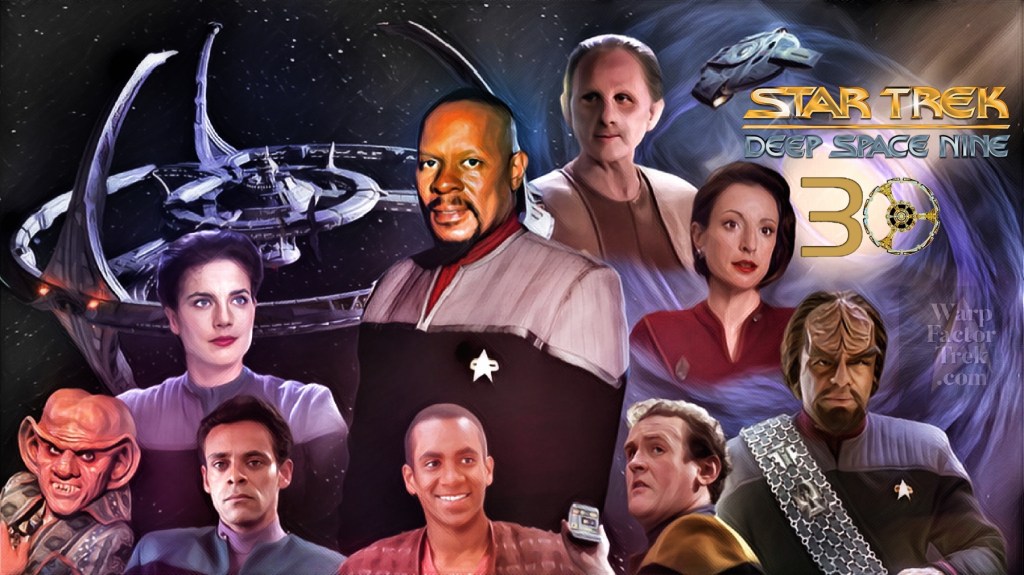
Star Trek: Deep Space Nine (DS9) is widely regarded as the most complex and compelling series in the Star Trek franchise, setting itself apart through its intricate storytelling, morally gray characters, and bold exploration of themes that challenge traditional Star Trek optimism. Unlike the more episodic nature of The Original Series and The Next Generation, DS9 adopts a serialized approach, allowing for deeply interconnected story arcs that resonate on a larger scale. The Dominion War, a centerpiece of the series, stands as a testament to this approach, offering a gritty, multi-season exploration of warfare, diplomacy, and the ethical dilemmas faced by individuals and governments during times of crisis.
One of DS9’s greatest strengths is its cast of richly developed characters. Benjamin Sisko, played masterfully by Avery Brooks, is a layered protagonist who balances the responsibilities of a Starfleet officer with his personal struggles as a father, widower, and religious figure to the Bajoran people. Sisko’s arc as the Emissary of the Prophets adds a spiritual dimension to his leadership, making him one of the most complex captains in the franchise. Characters like Kira Nerys, a former Bajoran resistance fighter, and Garak, a Cardassian tailor and ex-spy, further highlight DS9’s ability to delve into morally ambiguous territories. Kira’s journey from hardened freedom fighter to a diplomat striving for peace underscores the personal cost of resistance and rebuilding, while Garak’s layers of deceit and loyalty make him one of the most fascinating secondary characters in Star Trek history.
The series also excels in its exploration of darker and more controversial themes. For instance, the occupation of Bajor by the Cardassians serves as a thinly veiled allegory for real-world historical atrocities, such as colonialism and genocide. Episodes like “Duet” and “The Siege of AR-558” confront the horrors of war and occupation head-on, forcing both the characters and viewers to grapple with uncomfortable truths about morality and justice. The Dominion War arc, spanning multiple seasons, brings these themes to a head, portraying the Federation in its most vulnerable state. Through this, DS9 challenges the idealism that defined earlier Star Trek series, asking whether the Federation’s values can endure in the face of existential threats.
DS9’s stationary setting on a space station near a strategic wormhole allows it to explore interpersonal dynamics and long-term political relationships more deeply than its predecessors. The station serves as a cultural melting pot, fostering interaction between species like the Bajorans, Cardassians, Ferengi, and Dominion. This unique setup creates a backdrop for stories that delve into diplomacy, trade, and cultural tensions. Episodes such as “In the Pale Moonlight”, where Sisko manipulates events to bring the Romulans into the Dominion War, exemplify the show’s willingness to confront moral ambiguity.
Moreover, DS9 embraces diversity and representation. It features one of the first Black leads in sci-fi television and presents LGBTQ+ themes subtly through characters like Jadzia Dax, whose experiences challenge traditional notions of identity and love.
By combining rich storytelling, profound character arcs, and a willingness to push boundaries, Deep Space Nine remains not only the best Star Trek series, but also one of the most thoughtful and impactful sci-fi shows ever created.
I wrote this piece almost two years ago, and I have been holding off publishing. Why? Strange New Worlds, that’s why! I have been totally taken with this series, and yet for me, it’s needs a little more longevity before I am going to change my mind – just saying!
Winterlude is here, and Ottawans, along with the tourists are really getting their money’s worth this year, with consistent sub-zero temperatures, smooth ice, and new food franchises. This season’s festival clearly demonstrates that Ottawans would rather be out participating in activities, than sitting on uncomfortable plastic seats watching sports.
Ottawa has plenty of things going for it—picturesque scenery, a high quality of life, and more civil servants per capita than just about anywhere else on the continent. But when it comes to sports culture, the capital falls a little flat. Yes, we have professional teams. We have the Senators in the NHL, the Redblacks in the CFL, and a handful of smaller franchises that do their best to keep the local sports scene lively. But despite all this, Ottawa just doesn’t have the rabid, all-consuming sports identity you find in places like Montreal or Toronto.
For starters, the fan engagement here is… conditional. When a team is winning, Ottawa can look like a real sports city. Remember the 2017 Senators playoff run? The entire town briefly got swept up in the excitement—until, of course, the next season, when attendance dropped faster than the team’s fortunes. This isn’t unique to hockey. The Redblacks won a Grey Cup in 2016, and for a brief, shining moment, the city actually seemed to care about the CFL. But before that? The league had already folded two Ottawa franchises due to lack of interest. If your city keeps losing football teams the way most people lose toques, it might not be a sports town.
Hockey is supposed to be the exception, but even that’s complicated here. The Senators have always struggled to build a truly devoted fanbase, and a big reason for that is simple—Ottawa is filled with Leafs and Habs fans. On any given game night at the Canadian Tire Centre, when Toronto or Montreal is in town, it’s just as likely to sound like an away game as a home one. There’s no other NHL city in Canada where this happens. Imagine walking into a Flames game in Calgary and seeing half the crowd decked out in Oilers jerseys. It would be unthinkable. In Ottawa, it’s just another Tuesday.
Part of the problem is that this is a government town. People move here for work, not because their great-grandfather was a Sens fan, and they were born to suffer through rebuilding seasons. There’s no blue-collar sports culture, no generational loyalty to a single team. The fanbase is a mixed bag, and when teams start to lose, the casual supporters disappear.
And if we’re being completely honest, Ottawans are more likely to be playing sports than watching them. Why sit in a half-empty stadium when you could be skating on the Rideau Canal, cross-country skiing in Gatineau Park, or cycling along the Ottawa River? The city’s recreational culture is strong—its spectator culture, not so much.
So yes, Ottawa has sports teams. But is it a sports town? Not really. It’s a town that tolerates sports, one that occasionally gets excited when a team does well, but quickly moves on when they don’t. The real energy here isn’t in the arenas or stadiums—it’s in the coffee shops, the outdoor trails, and, of course, in the never-ending debates over LRT failures and public service policies. And maybe that’s fine. Not every city needs to be a die-hard sports town. But let’s not pretend Ottawa is something it’s not.
Some books aren’t just read – they become companions, revisited as life shifts and perspectives deepen. For me, Frank Herbert’s Dune is one of those books, a story I reread every year, discovering something new as my own experiences reshape how I see it. But C.J. Cherryh’s The Faded Sun Trilogy holds a different kind of power. While I don’t revisit it annually, its well-worn spines tell the story of years spent returning to its rich, meditative exploration of culture, survival, and identity.
Published between 1978 and 1979, the trilogy – Kesrith, Shon’jir, and Kutath – takes place in Cherryh’s Union-Alliance universe, where power struggles between species shape the galaxy. The Mri, a proud nomadic warrior culture, face extinction, betrayed by their former employers, the alien Regul, during a war with humanity. Once indispensable mercenaries, the Mri are now abandoned, eking out an existence on the desert planet Kesrith. It’s here that Sten Duncan, a human soldier, becomes entangled in their plight. His curiosity grows into something deeper as he immerses himself in their alien customs and traditions. Over the trilogy, Duncan evolves from an observer to a mediator, caught between the Mri and a universe determined to erase them.
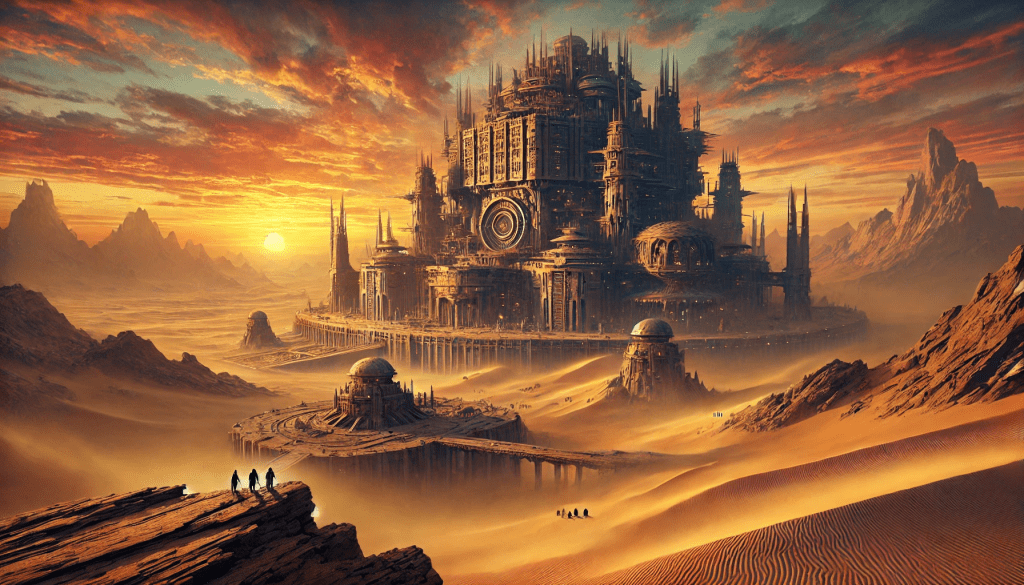
The trilogy opens on Kesrith, a desert world as harsh and unrelenting as the Mri’s reality. Cherryh’s writing captures the desert as a living entity – a stark, intricate landscape mirroring the Mri’s fragile resilience. Humanity steps into the vacuum left by war, bringing complexities of expansion and conquest, while the Regul, bureaucratic and manipulative, operate from the shadows.
What makes Cherryh’s storytelling unforgettable is her refusal to romanticize the Mri. They are flawed, bound by an honor code that defines, but also constrains them. Their worldview, steeped in ritual and tradition, feels authentically alien, requiring both Duncan and the reader to adapt. Duncan’s transformation is central to the story, as he sheds the biases of his upbringing and immerses himself in the Mri’s culture. His journey reflects the trilogy’s larger questions: Can true understanding exist between fundamentally different peoples? And what is the cost of bridging that divide?
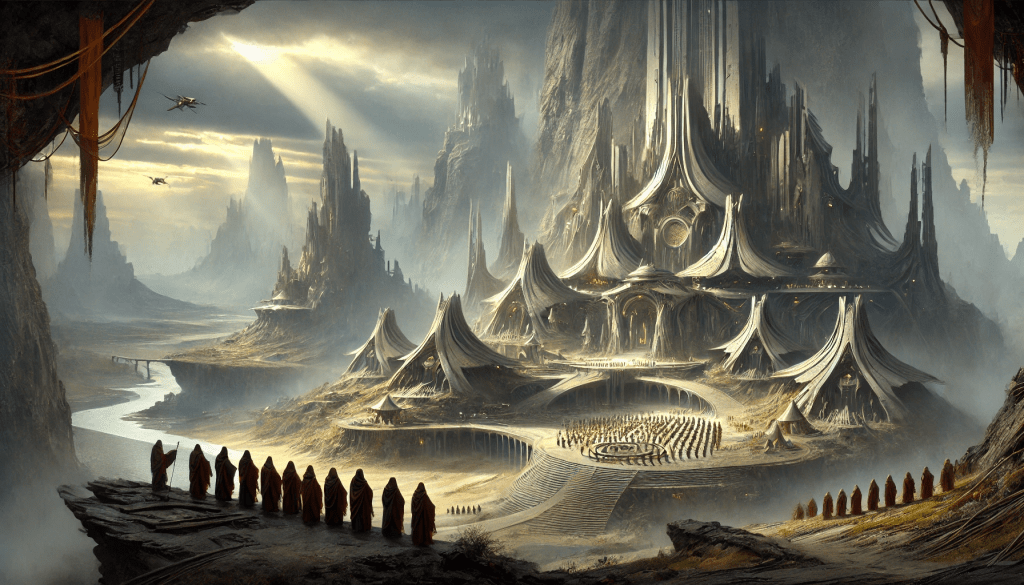
As the story unfolds in Shon’jir and Kutath, the stakes deepen. The surviving Mri flee Kesrith in search of a new home, grappling with the pressures to adapt or perish. Their destination, the ancestral world of Kutath, offers the promise of renewal, but also threatens irrelevance in a universe that has moved on without them. Cherryh captures this tension masterfully, forcing the Mri, and the reader, to confront the delicate balance between survival and transformation.
At its core, The Faded Sun Trilogy is a meditation on the fragility of cultural identity and the devastating impact of imperialism. The Mri’s plight echoes the experiences of countless displaced peoples, their traditions and way of life slowly eroded by conquest and assimilation. Cherryh critiques imperialism but avoids simple moral binaries. The Regul, manipulative and cold, and humanity, ambitious and expansionist, are driven by survival instincts rather than malice. This ambiguity forces the reader to grapple with the complexities of cultural dominance and erasure.
Environmental themes add another layer of depth. The desert of Kesrith is more than a setting; it embodies the Mri’s plight – beautiful yet unforgiving, resilient, but fragile. Cherryh draws subtle parallels between the destruction of ecosystems and the loss of cultures, reminding us that imperialism claims both land and people.
Cherryh’s prose is dense, her world-building meticulous, and her portrayal of alien perspectives unmatched. Yet this depth demands patience. The trilogy’s introspective tone and slow pacing, particularly in Shon’jir, may challenge readers, but those willing to engage with its complexities are richly rewarded.
This is not a story of grand battles or easy resolutions. It is a quiet masterpiece that explores identity, survival, and the cost of understanding. Its legacy is evident in modern science fiction, influencing works like The Expanse and A Memory Called Empire. Yet, it remains singular in its vision.
Returning to these books feels like standing in a vast desert – alone with the weight of history and the persistence of life. The truths Cherryh captures burn brightly, offering a story that transforms as deeply as it entertains.
Ah, the old southern bias strikes again! You’d think life – and football – only exists south of Watford Gap, wouldn’t you? Apparently, if you’re not down in London sipping a flat white in some soulless Shoreditch café or paying £12 for a slice of avocado toast, you don’t count. And when it comes to football, if you’re not Arsenal, Chelsea, or Spurs, well, you might as well be playing in the Championship according to some of these so-called pundits.
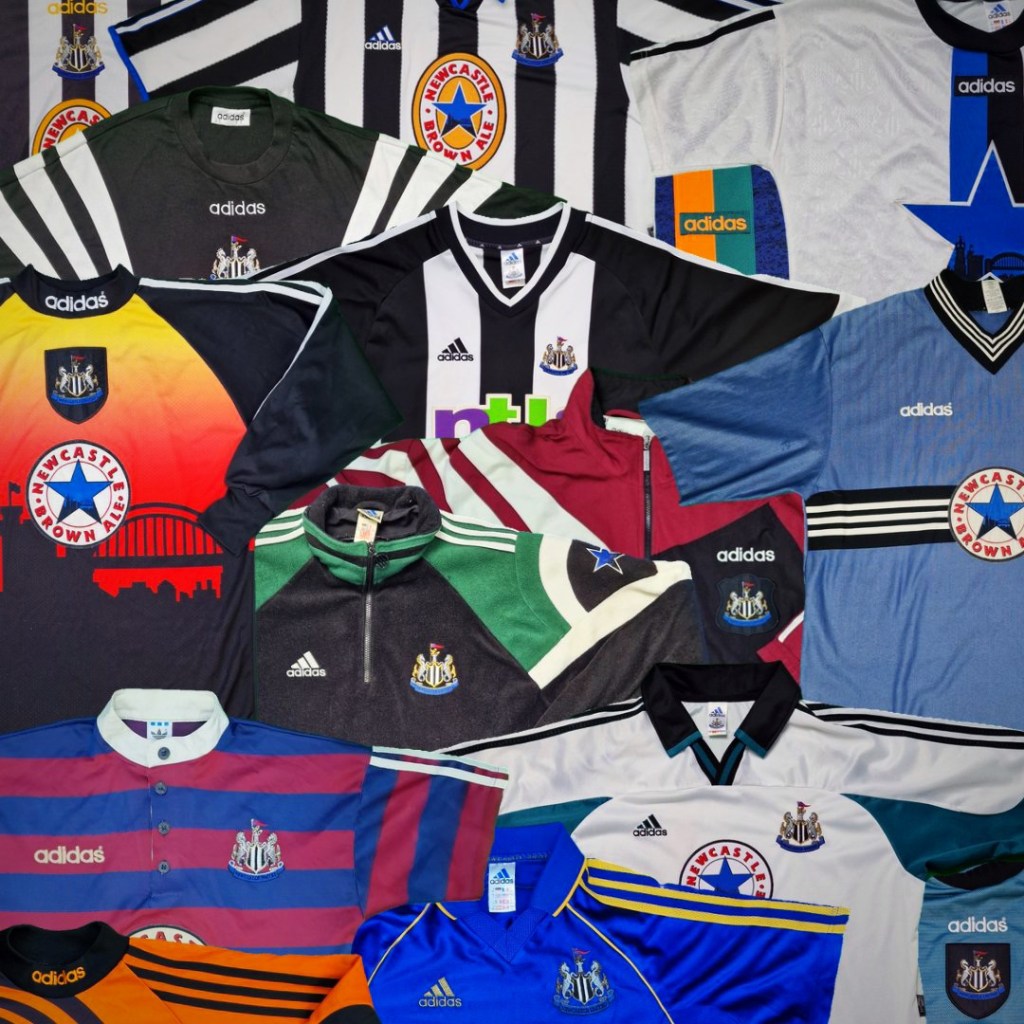
Take Newcastle United, for example – a proper football club with proper fans – HWTL! Not like these plastic mobs that turn up late to the Emirates and spend half the match checking their Instagram. Newcastle’s got St. James’ Park – a cathedral of football where 52,000 Geordies belt out chants so loud you can hear them in Sunderland (not that anyone’s listening down there). But according to the media, we’re just a “stepping stone” club, a place for players to stop off on their way to bigger, shinier things down south. Bigger? Shinier? Do me a favour.
Let’s talk about some of the lads pulling on the black and white these days. Anthony Gordon – a scouser by birth, but now one of our own. They said he’d never live up to his price tag when he joined, but he’s proved them wrong and then some. The lad runs like he’s got a rocket strapped to his back, and you’d need a police escort to catch him. Can you see him swapping the roar of the Gallowgate for a quiet corner of Stamford Bridge? Nah, me neither.
And then there’s Alexander Isak, a Swedish Rolls-Royce of a striker. He glides past defenders like they’re traffic cones and scores goals for fun. You reckon he’s looking at London and thinking, “Hmm, I’d like to swap the passion of the Toon Army for some half-empty seats at the Tottenham Hotspur Stadium”? Not a chance. He’s thriving in the North East – where football’s not just a sport, it’s a religion.
Oh, and don’t forget Bruno Guimarães, the Brazilian maestro pulling the strings in midfield. There’s not a club in the world that wouldn’t want him, but he’s made it crystal clear – he loves it here. You think he’s giving up proper football culture, and a city that treats him like a king to join the Arsenal TikTok brigade? Behave yourself.
The thing is, Newcastle’s not just a pit stop anymore. The days of being patronized by the southern elite are over. We’ve got world-class players, world-class facilities, and owners who could buy and sell most of London without breaking a sweat. And the fans? The best in the business. They’d follow the lads to the ends of the Earth – though, let’s face it, for us, that’s just Sunderland.
So, to all the southern softies with your artisan beers and overpriced flats: keep your latte art and your selfie sticks. Up here, we’ve got grit, heart, and a team that’s building something special. And trust me, once a player feels the raw passion of St. James’ Park and hears the roar of the Gallowgate, they’re not heading south – unless it’s for an away game or to show Spurs what a real club looks like.
Technofeudalism is a fitting term for the digital dystopia we find ourselves in, where the lords of Silicon Valley have effectively swapped medieval castles for server farms and algorithms. These tech overlords – Google, Amazon, Meta, and their ilk – don’t just run companies; they dominate entire ecosystems. Their platforms are the new fiefdoms, and whether you’re a gig worker delivering takeout or a small business trying to stay afloat, you’re shackled to their rules. In this brave new world, control over data has replaced land as the ultimate source of power, and boy, do they exploit it.
Your data, your clicks, your time – it’s all harvested, packaged, and sold with the precision of a factory assembly line, and you don’t see a dime of it. Meanwhile, the CEOs of these tech behemoths are catapulted to absurd levels of wealth, flaunting their fortunes with space joyrides and vanity projects while the rest of us are left wondering why gig workers can’t get healthcare or basic rights. Let’s not sugarcoat this: it’s feudalism 2.0, and instead of serfs toiling in fields, we have content creators hustling for likes, delivery drivers racing against the clock, and an entire workforce that’s disposable, replaceable, and utterly dependent on the platforms that exploit them.
And the surveillance – oh, the surveillance! If medieval lords wanted to know who was sneaking into the village at night, they had to send out a scout. Today, Big Tech knows what you’re buying, watching, and thinking before you do. Every app, every platform, every innocuous “I agree to the terms” click is another layer of the panopticon. These companies don’t just watch – they nudge, manipulate, and control. The algorithm decides what you see, what you believe, and ultimately, what you become. Your freedom of choice is an illusion, dressed up in a sleek interface and a cheery “personalized for you” tagline.
Technofeudalism also serves up a double punch to democracy and culture. Remember when the internet was supposed to be a democratizing force? Instead, it’s become a breeding ground for misinformation and extremism, all in the name of “engagement.” The platforms profit off chaos while the rest of us drown in it. And culturally, they’ve managed to homogenize global expression to such a degree that smaller voices and alternative perspectives are buried under the algorithm’s relentless drive for profit. TikTok and Instagram aren’t cultural platforms; they’re content factories, churning out trends as disposable as the devices they run on.
Even the environment isn’t safe from this digital serfdom. Those shiny data centers? They guzzle energy like medieval feasts guzzled wine. The constant churn of new devices fuels e-waste mountains that rival any landfill, and yet the tech titans insist that we upgrade, consume, and keep feeding the machine. Sustainability is a footnote in their quest for endless growth.
The cracks, though, are beginning to show. From antitrust lawsuits to grassroots movements demanding labor rights and data privacy, resistance to this technofeudal nightmare is growing. But let’s not kid ourselves – it’s an uphill battle. The digital lords aren’t going to give up their power without a fight, and governments are often too slow, too timid, or too compromised to rein them in.
So here we are, the serfs of the digital age, working tirelessly for the enrichment of a few tech barons who don’t just own the platforms – we live on them. It’s a system rigged to serve their interests, and unless we start breaking their monopolies and demanding a digital economy that works for everyone, technofeudalism will continue to tighten its grip. This isn’t the future we signed up for, but it’s the one we’re stuck with – for now.
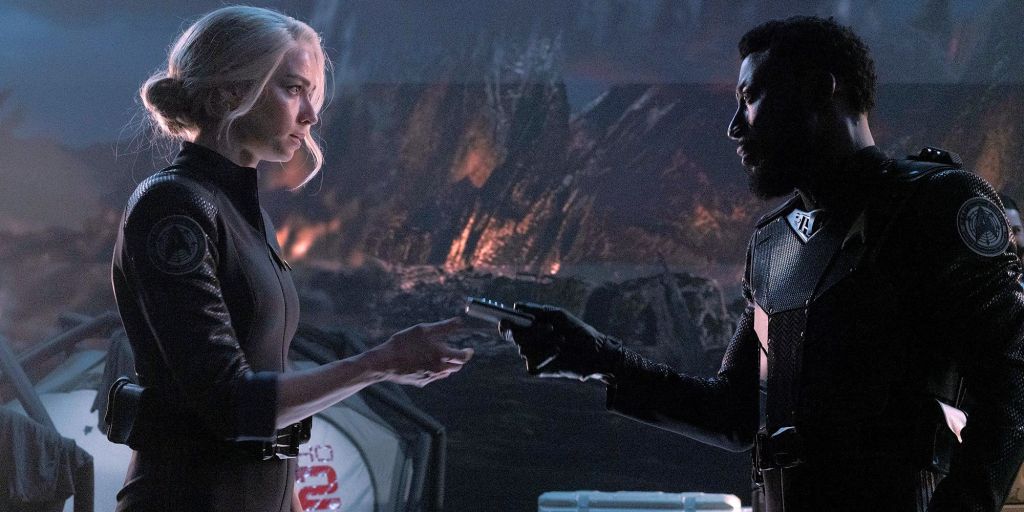
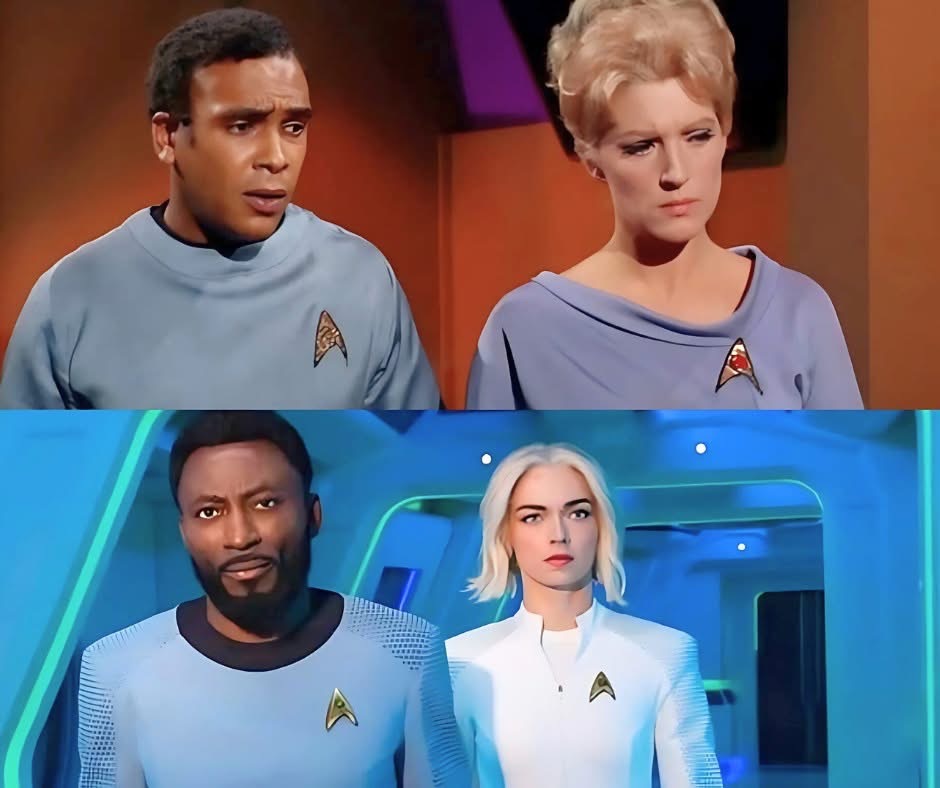
I’ve noticed a recurring theme in my posts about Star Trek: the pivotal role of the ship’s doctors. These characters aren’t merely healers; they are often the moral compass of the crew, embodying the Federation’s ideals while wrestling with their own internal conflicts. Among these remarkable figures, Dr. Joseph M’Benga stands out as one of the most compelling. His story is one of contrasts – a brilliant healer haunted by the scars of war, a scientist navigating the grey areas of survival, and a father whose love transcends the boundaries of science.
M’Benga’s medical expertise, especially his unparalleled understanding of Vulcan physiology, was forged during his internship on Vulcan; a testament to his dedication and intellect. As one of Starfleet’s most capable physicians, he saved countless lives aboard the USS Enterprise. But beneath this exterior of clinical precision lay a darker, more complex history. During the Klingon War, M’Benga served as a covert operative. His prowess in combat earned him the chilling nickname “the Ghost,” reflecting a lethal efficiency that starkly contrasted with his mission to preserve life. The brutal Battle of J’Gal left him grappling with the weight of his actions, and the moral compromises he was forced to make.
Amid his wartime trauma, M’Benga faced a deeply personal battle: his daughter Rukiya’s terminal illness. In a desperate bid to save her, he used the transporter buffer to hold her in stasis, preserving her life while searching for a cure. This act was not just an expression of his medical ingenuity, but also of his boundless love as a father. When the time came to release her into the care of a sentient nebula being, a decision that symbolized profound sacrifice, it underscored the depth of his humanity. M’Benga’s choice was not merely a scientific solution, but an emotional resolution, allowing Rukiya to transcend her suffering in a way that was both heartbreaking and hopeful.
Aboard the USS Enterprise, M’Benga’s dual roles as healer and soldier were constantly at play. Under Captain Pike’s leadership, and later Captain Kirk’s, he treated everything from routine injuries to the aftermath of violent battles. Whether guiding Spock through the complexities of Vulcan healing trances or wrestling with the moral dilemmas of triage in wartime, M’Benga embodied resilience and compassion. His quiet strength anchored the crew during moments of crisis, even as his personal burdens weighed heavily on him.
Though eventually succeeded by the iconic Dr. Leonard McCoy as Chief Medical Officer, M’Benga remained a vital figure in Starfleet’s medical corps throughout the 2260s. His later years saw him move to Stanford Medical Center, where he continued his medical practice before retiring to Vulcan. On the tranquil Vulcan plains, far from the chaos of starships and battles, M’Benga embraced a simpler existence as a plomeek farmer. This peaceful conclusion to his journey provided a stark contrast to his earlier life, symbolizing his desire to heal not only others but also himself.
Dr. Joseph M’Benga’s legacy in Star Trek is a testament to the duality of the human experience. Healer and warrior, scientist and survivor, his story is one of navigating trauma, moral ambiguity, and the unyielding tension between the preservation of life and the necessity of taking it. In the vast expanse of the Star Trek universe, M’Benga stands as a nuanced and deeply human reminder of the struggles and sacrifices that define us all – both on Earth and among the stars.
I read a fair amount of science fiction, as can clearly be seen from the content of this blog. My first introduction to speculative fiction, beyond C.S. Lewis, was the works of E.E. “Doc” Smith, loaned to me by a fellow classmate during my early teens. I devoured every book by this author I could find, reading without judgement, just enjoying the galactic adventure. Like I have said many times about my annual reading of Frank Herbert’s Dune, it’s not the story that changes, but the perspective that the additional year gives me.
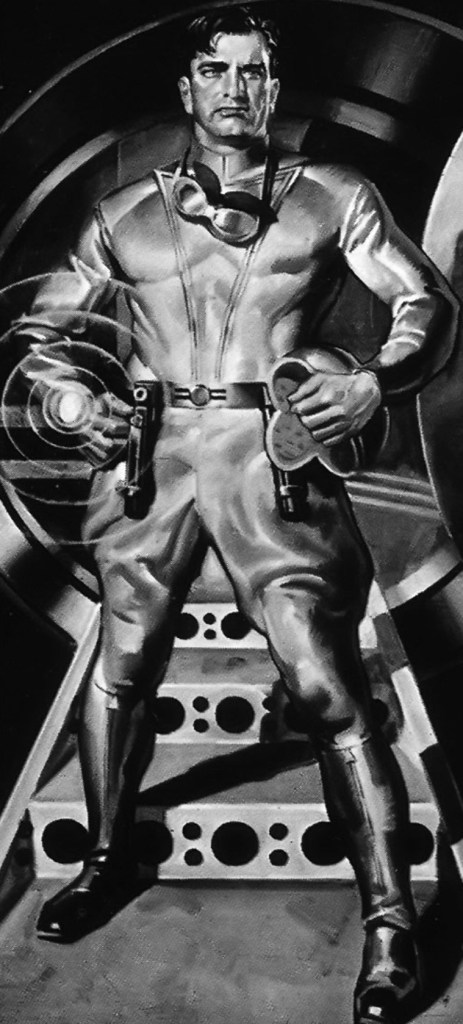
E.E. “Doc” Smith is an undeniable cornerstone of science fiction, particularly in shaping the grand, sweeping narratives of the space opera subgenre. His works, from the Lensman to the Skylark series, established many of the storytelling conventions that would define science fiction for generations. Yet, these same works are deeply entwined with the patriarchal and often misogynistic norms of their time, offering a fascinating lens through which to examine the cultural attitudes of the early-to-mid 20th century. Smith’s legacy is both a celebration of speculative ambition, and a study in the limitations of its era.
The Lensman series, perhaps Smith’s most iconic work, epitomizes the space opera’s blend of high-stakes interstellar conflict and moral idealism. Published between 1934 and 1950, these novels follow the genetically perfected heroes of the Galactic Patrol, led by the stalwart Kimball Kinnison, in their battle against the shadowy forces of Boskone. While the series broke ground in envisioning a universe of sprawling galactic civilizations, its treatment of gender roles reveals a narrower imagination. Female characters, such as Clarissa MacDougall, are largely confined to nurturing or supportive roles, their significance often framed in relation to male protagonists. Even Clarissa’s ascension to the ranks of the Lensmen – a notable exception – feels more like a narrative anomaly than a redefinition of gender dynamics. The series reflects its time, portraying men as protectors and leaders while relegating women to emotional or domestic spheres.
Similarly, the Skylark series, begun in 1928, offers an early blueprint for the modern space opera, chronicling the scientific and exploratory exploits of Richard Seaton and his morally ambiguous rival, Marc “Blackie” DuQuesne. Once again, women – characters like Dorothy Seaton and Margaret Spencer – are predominantly relegated to roles as love interests, hostages, or secondary figures. Though occasionally resourceful or intelligent, their contributions are overshadowed by the male protagonists’ heroics. These dynamics reinforce traditional gender hierarchies, with men as agents of innovation and action while women serve as symbols of emotional stability or moral guidance.
In the Family d’Alembert series, co-written with Stephen Goldin during the 1960s and 1970s, there is a slight shift in representation. Yvette d’Alembert, part of a circus-trained secret agent duo, emerges as a rare competent female protagonist. Yet even her capabilities are often contextualized by her physical appeal and partnership with her brother Jules. By this time, feminist movements were beginning to reshape societal norms, but science fiction, especially that rooted in the pulp tradition, lagged in reflecting these changes. Yvette’s portrayal, while an improvement, still clings to the vestiges of earlier patriarchal frameworks.
Smith’s later works, such as Subspace Explorers (1965), continue to explore grand themes like telepathy, space exploration, and societal advancement, but the underlying gender dynamics remain unchanged. Female characters with psychic abilities feature in the narrative, yet their roles are secondary, reinforcing the notion that leadership and innovation are male domains.
These patterns are not mere quirks of individual stories but reflections of a broader societal framework. Smith’s fiction mirrors the rigid gender roles of early-to-mid 20th-century society, a time when women were often confined to domestic or secondary positions. His male protagonists, embodying traits of strength, rationality, and dominance, contrast sharply with the nurturing and emotional roles assigned to women. While Smith does not explicitly demean women, the systemic sidelining of female characters speaks to the cultural misogyny of the era. His works helped establish many tropes that would define space opera, but they also reinforced a male-centric vision of the genre that took decades to challenge.
Despite these limitations, Smith’s influence on science fiction is profound. His imaginative depictions of intergalactic civilizations, advanced technologies, and epic storytelling inspired luminaries such as Isaac Asimov, Arthur C. Clarke, and even George Lucas. Modern readers, however, often critique his works for their outdated gender dynamics and lack of diversity. These critiques, while valid, do not diminish the historical significance of his contributions. Instead, they offer an opportunity to reevaluate his legacy in light of the genre’s ongoing evolution.
E.E. “Doc” Smith’s works remain a double-edged artifact of science fiction history: a testament to the boundless creativity of speculative fiction, and a reminder of the cultural constraints of its time. By recognizing these dual aspects, we can celebrate his role in shaping the genre while continuing to push for more inclusive and equitable narratives in speculative storytelling.
I usually think of myself as a modern man, fully bought into our digital world, and then I wander into the farmhouse library, and I realize that this space is a place outside of time, and I remember my ongoing love affair with hardback books. As I first wrote and edited this piece, I found myself switching back and forth between hardcover and hardback, mixing as I often do my British and Canadian English. Rather than going with a uniform approach, I left the nouns and adjectives as I found them on the page.
Screenshot
I still to this day buy hardback books because they embody something rare in our fast-paced, ephemeral world: permanence. There’s a kind of quiet romance to their weight in my hands—a grounding reassurance that I’m holding more than just paper and ink. Each hardcover feels like a promise, an intimacy that won’t vanish with the swipe of a screen or a fleeting notification. They are timeless, like the lingering warmth of a lover’s voice after they’ve left the room, soft yet unwavering.
On my shelves, their spines stand like steadfast sentinels, guarding fragments of my life. Each book holds a memory: a novel devoured on a long train ride, a cookbook sprawled across the counter on a rainy Sunday, a travel guide flipped through during quiet nights when the world outside was covered with snow. Their dust jackets, often worn and peeling at the edges, only make them dearer. Like laughter lines etched on a familiar face, they tell stories of years well-lived and hands well-loved.
Hardback books are resilient in ways I admire. Their pages hold firm, their spines don’t surrender, and their beauty only deepens with age. When I open one, the faint creak of the binding feels like the exhale of a secret shared just between us. The embossed covers beg to be touched, as though inviting me to connect not just with the words within, but with the countless others who’ve held the same book. In their permanence, I find companionship—kindred spirits who, like me, sought solace or joy in those very same pages.
My collection is a reflection of who I am. Beloved fiction titles transport me to worlds where I’ve found companionship in characters who now feel like lifelong friends. Illustrated cookbooks add bursts of color and life, inspiring meals that have punctuated moments of celebration, comfort, and discovery. And then there are my permaculture and agroforestry guides, rooted in a deep love for the earth and a longing to live in harmony with its rhythms. Together, they form an eclectic tapestry of passions that, when viewed as a whole, feel like an unspoken autobiography.
Perhaps, above all, I buy hardbacks for the future they promise. I picture someone I care for—perhaps a partner, or one of their children—one day standing before my shelves. They’ll trace the spines, pull a book down, and find my notations in the margins or a bookmark still tucked between the pages. Those scribbles and marks, though small, will be echoes of me—a life lived in dialogue with stories, recipes, and ideas.
Hardback books, like love, aren’t always practical, but they are endlessly worth it. They ask for time, for care, for patience. And in return, they give so much more—a place to lose myself, to learn, to dream, and, more often than not, a place to be found.
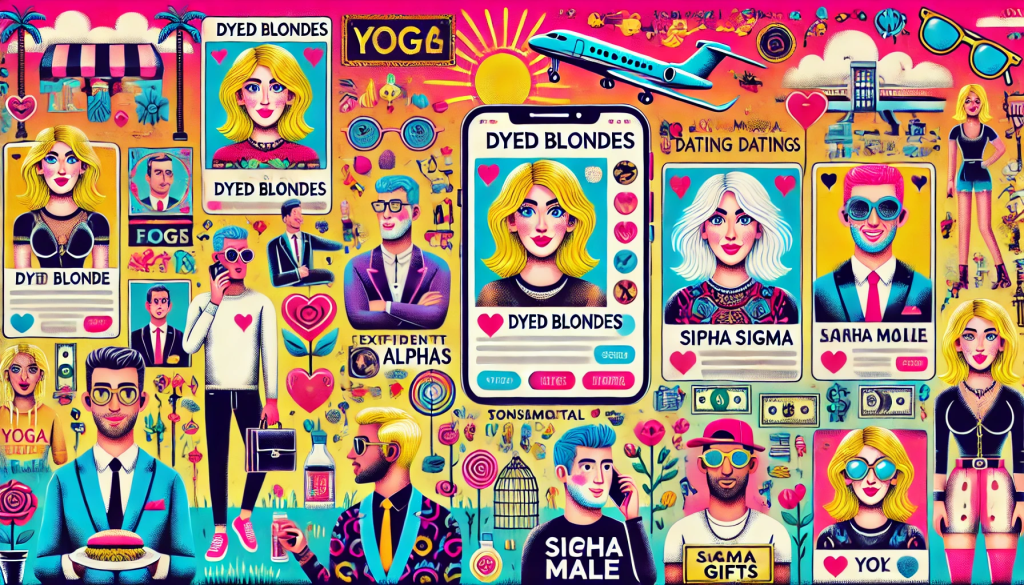
Ah, the age-old question: are blondes really living in a world of carefree bliss, or are we all just projecting our insecurities onto peroxide and highlights? Writing about this without sounding like an incel, a beta male, or someone too deeply invested in hair dye chemistry is no small feat. Yet, here we are, embarking on what might be less a quest for answers, and more an exercise in rhetorical hair-splitting.
Let’s start with dating apps – a modern battlefield of swipes and signals. Among the throngs of thumbnails, dyed blondes seem to project an aura of exclusivity, their profiles brimming with criteria that could rival a job application. Are they filtering for quality, or are we mere mortals simply grappling with a complex about their sun-kissed manes? If my success rate at guessing their dating parameters is any indication – 19 out of 20, for those keeping score – it’s safe to say there’s a pattern. Dyed blondes often seek monogamous, long-term relationships with a healthy side of yoga, financial security, and vacation photos fit for Instagram.
But here’s the real question: does their hair color influence their attitude? Are dyed blondes subconsciously channeling the remnants of Hollywood’s golden era when Marilyn reigned supreme? Or is blonde ambition simply a reflection of modern dating demands? Personally, I’ll take a redhead – natural or otherwise – any day, or even a creative shade of green, purple, or the noble dignity of natural gray.
Social media, of course, only stirs the pot. Take the “relationship expert” I’ve been observing—a dyed blonde, single mom in her early 30s, who doles out mononormative dating advice with the fervor of a self-proclaimed guru. Her brand is a blend of retrograde toxic masculinity, and transactional dating. With her newly enhanced assets, and a steady stream of high-profile suitors, she’s a case study in leveraging appearance for clout. It’s a spectacle to watch her bounce from Latin entrepreneurs to American bankers, her love life resetting every six to eight weeks. One wonders if she’s truly looking for love, or just excellent brand engagement.
Which brings us back to the blonde mystique: is there really a hierarchy of hair color? And if blondes are at the top, why aren’t they everywhere? While living in California, I was often asked by European friends, “Where are all the leggy blondes from the movies?” The reality, in tech-heavy Silicon Valley, leaned brunette, due mainly to the large Asian and Latin presence, with blonde sightings limited to the occasional intellectual property lawyer who, interestingly, also subscribed to the “if you want my time, pay for it” school of thought.
A friend in Montreal read an early draft of this piece and called me out for not showcasing my feminist credentials. She reminded me of her gray-haired friend, who used to be a dyed blonde, who faced male criticism for the change, but received overwhelming support from women for embracing her natural look. She also highlighted the rise of transactional dating, where “gold digging” is less taboo, and more a strategic career choice.
So, perhaps I’ve had this all wrong. Maybe it’s not that dyed blondes feel superior, but that men create the demand by fetishizing the hair color. Women, ever the astute adapters, respond accordingly. If dyed blondes are the aspirational choice for Alpha males chasing society’s markers of success, they’re simply playing to the market. And if, as a self-declared Sigma male, I prefer intelligence and curiosity over Instagram-ready jet-setting, I should be grateful for the self-selection happening on dating sites.
As for our social media influencer, she’s gone chestnut red since her latest breakup. Perhaps she’s starting her own rebellion against the hierarchy, or maybe she’s just running an A/B test on hair color ROI. Either way, it seems dyed blondes are navigating a complex world of expectations – just like the rest of us.
Stay tuned for the next post, where we tackle transactional dating, shifting power dynamics, and the role of social media in modern romance. For now, let’s toast to the dyed blondes, of all genders, who keep the world guessing – and swiping.









 The Rowanwood Chronicles