The Power of AgriFood Supply Management: Protecting Canadian Grocery Costs

Canada’s supply management system for dairy, poultry, and eggs is about to prove its worth as U.S. tariffs threaten to drive up food prices across the country. Unlike the free-market volatility seen in other parts of the grocery sector, supply-managed goods benefit from a carefully controlled production and pricing system that shields both farmers and consumers from external shocks. While some food categories, particularly those reliant on global trade, are expected to see price hikes due to shifting tariff policies, supply management will help ensure that Canadian shoppers don’t feel the full brunt of these disruptions when it comes to staples like milk, cheese, chicken, and eggs. This is part of the reason why the Bloc Québécois has been fighting to protect Canadian agrifood supply management from future trade negotiations with the U.S. 

At the heart of this system is production control, which ensures that Canadian farmers produce only as much as the domestic market demands. This prevents overproduction, which can drive prices down unsustainably, and underproduction, which leads to shortages and skyrocketing costs. By maintaining a predictable balance between supply and demand, Canada avoids the kind of dramatic price swings that often plague food markets when international trade is disrupted. If American producers face steep tariffs on their agricultural exports to Canada and Mexico, they will likely respond by raising production or looking for alternative markets, creating instability in global food supply chains. However, because Canada’s system prioritizes production for domestic consumption, our supply-managed sectors will be largely insulated from this volatility.

Another key advantage of this system is import restrictions, which limit how much foreign dairy, poultry, and eggs can enter the Canadian market. These restrictions act as a buffer, shielding the domestic food supply from sudden external price shocks. If U.S. tariffs make it more expensive for American farmers to produce and export their goods—whether due to higher costs for feed, fertilizers, equipment, or transportation—the price of their products will rise accordingly. But because Canada strictly controls how much foreign dairy and poultry can enter the market, these increases won’t directly impact the availability or affordability of Canadian supply-managed goods. While consumers in the U.S. could see price hikes on essential groceries due to their country’s changing trade policies, Canadian shoppers will find more stability in their supply-managed products.

Perhaps the most critical component of Canada’s approach is price regulation at the farm level, which guarantees that producers receive a fair, cost-based price for their goods. This system prevents the kind of unpredictable swings that occur in unregulated markets, where external factors like trade wars, economic downturns, or climate disruptions can send food prices soaring overnight. By ensuring that Canadian farmers earn a predictable and stable income, the system also reduces the likelihood of sudden price hikes at the grocery store. Even as global food markets react to U.S. tariffs with rising costs, supply-managed products will remain steady, providing much-needed price relief for Canadian households.

That’s not to say that supply management is a perfect shield against inflation. Many inputs required for farming—such as animal feed, fuel, transportation, and packaging—are still subject to global market forces, meaning that rising costs in these areas could indirectly influence retail prices. Additionally, supply management does not cover all food categories. Sectors like beef, pork, grains, and processed foods remain more exposed to international price fluctuations, meaning that consumers will still feel some of the effects of U.S. tariff policies. However, compared to a fully unregulated system, Canada’s approach offers a crucial layer of protection for both farmers and consumers.

As the impact of U.S. tariffs unfolds, Canadians may start to appreciate the stability that supply management provides. While some critics argue that the system limits consumer choice and keeps prices higher than they would be in a fully open market, the reality is that it prevents the extreme price fluctuations that can wreak havoc on household budgets. In uncertain economic times, a reliable and predictable food supply isn’t just a convenience—it’s a necessity. Canada’s supply management system ensures that, at least when it comes to dairy, eggs, and poultry, Canadian shoppers can count on consistent pricing, regardless of what happens in the broader global economy.
Made in Canada: Leveraging Transparency to Strengthen and Grow the Economy

As a business consultant, I spent nearly two years managing the Canadian multi-livestock traceability project office in response to the BSE “mad cow” outbreak. Later, I became the first General Manager of the Canadian Livestock Identification Agency, helping to expand this approach nationally, and then with the aid of federal funding, pushed into Latin America,. What became clear was the transformative power of full value chain traceability. It not only opens doors to new markets, but also helps countries differentiate their products, and navigate technical and political trade barriers like tariffs.

For Canadian retailers and manufacturers, U.S. tariffs have long created challenges—raising costs, shrinking margins, and destabilizing cross-border trade. But technology offers a way to turn these obstacles into opportunities. Imagine a system where every Canadian product carries a scannable code revealing its value chain, from sourcing to production and even its environmental footprint. This transparency wouldn’t just empower consumers—it would give Canadian products a competitive edge by showcasing their quality, sustainability, and tariff-free origins.

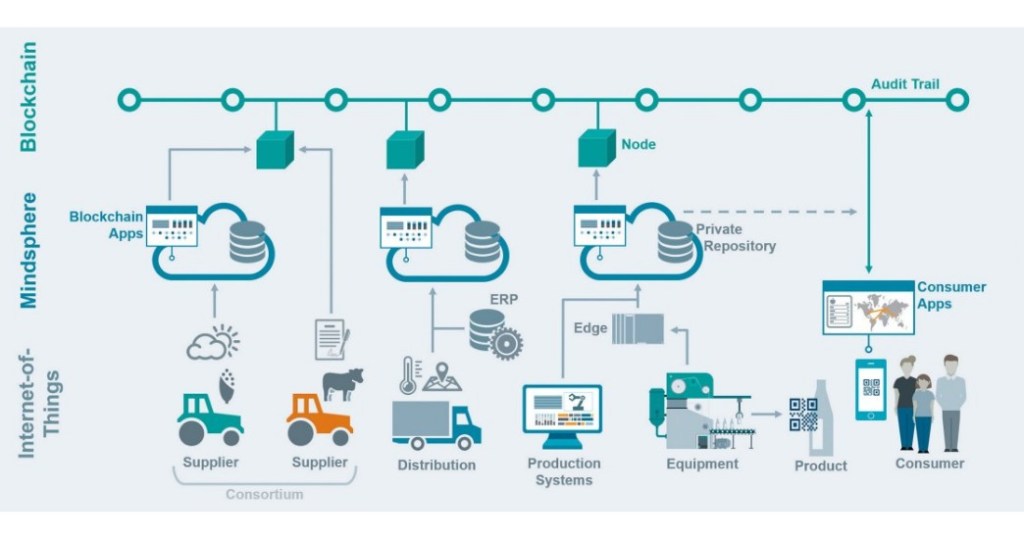
Traceability technology, backed by blockchain, makes this vision possible. By assigning every product a unique QR code or barcode, manufacturers could provide consumers with instant access to detailed information. A quick scan might show that a product was made in Canada, outline ethical practices in its supply chain, and even display its carbon footprint. Such transparency doesn’t just satisfy curiosity—it allows consumers to align purchases with their values, all while supporting the Canadian economy.

Blockchain adds an essential layer of trust to this system. Unlike traditional databases, blockchain technology is inherently secure, creating an unchangeable record of every step in a product’s journey. From raw materials in British Columbia to manufacturing in Ontario, each stage is logged and verified. In an age where consumers demand proof of sustainability and ethical practices, blockchain offers the credibility that builds trust and eliminates doubt.

For shoppers, the benefits of this system are clear. It provides a powerful tool for identifying Canadian-made goods, particularly in tariff-sensitive sectors like food, textiles, and electronics. When trade restrictions drive prices higher, consumers could actively choose local, tariff-free products, keeping money in Canada while avoiding inflated costs. Retailers, in turn, could spotlight these products as premium, ethical choices, differentiating them from imports.

From a business perspective, adopting traceability technology is more than a tool for compliance—it’s a way to build brand loyalty. Shoppers are more likely to trust and return to brands that are transparent about their supply chains. Companies investing in traceability could also attract eco-conscious and ethically driven consumers, both domestically and internationally, creating new opportunities to expand market share.

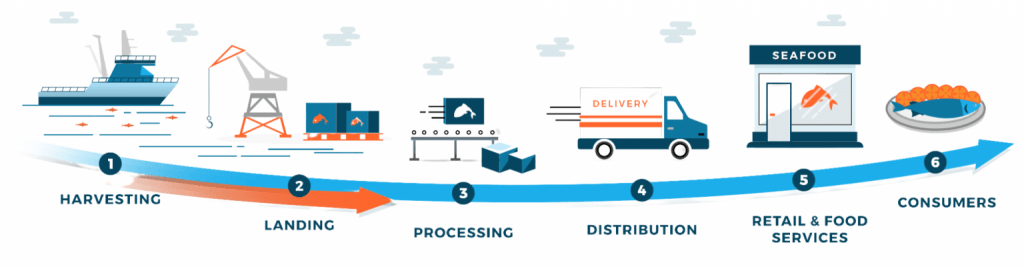
This technology is real today, and ready to use. Japan has been a pioneer in retail traceability, leveraging advanced technology to ensure transparency and quality in its supply chains. From QR codes on produce that detail farm origins to blockchain systems tracking seafood to combat fraud, Japan’s focus on traceability reflects its commitment to consumer trust, food safety, and sustainable practices.

The Canadian government has a role to play in fostering this transformation. Policymakers could accelerate adoption through regulations requiring supply chain transparency, and by offering tax incentives to early adopters. Public campaigns could educate consumers about the benefits of traceability, while certification programs could establish recognizable “Made in Canada” labels, further encouraging local pride and support.

While small businesses may face challenges in adopting this technology, such as costs and competition concerns, these barriers can be addressed through subsidies, partnerships, and thoughtful frameworks. By striking a balance between transparency and proprietary protections, Canada can ensure accessibility while preserving competitive advantages.

This system isn’t just about tariffs—it’s about redefining how Canadians shop and consume. Traceability technology positions Canada as a leader in ethical, sustainable retail practices. It empowers consumers with unprecedented insight into the products they buy, while strengthening the economy through local innovation and production.

Ultimately, this approach reinforces what makes Canadian products stand out. Whether it’s sustainability, fair labor practices, or national pride, traceability ensures that “Made in Canada” is more than just a label—it’s a commitment to quality, transparency, and trust.

The Cost of Innovation: How the Ordnance Survey’s 1990s Financial Model Created Competition

When I arrived at Durham University in 1985 to begin my PhD research, I was given an office once occupied by David Rhind, a leading figure in geomatics. Professor Rhind passed away this month at 81, following a distinguished career in geomorphology, geomatics and cartography. Two of his most notable contributions were to the Chorley Committee’s 1987 report on the “Handling of Geographical Information” and his leadership of the Ordnance Survey (OS) as Director General from 1992 to 1998; a position I once aspired to.

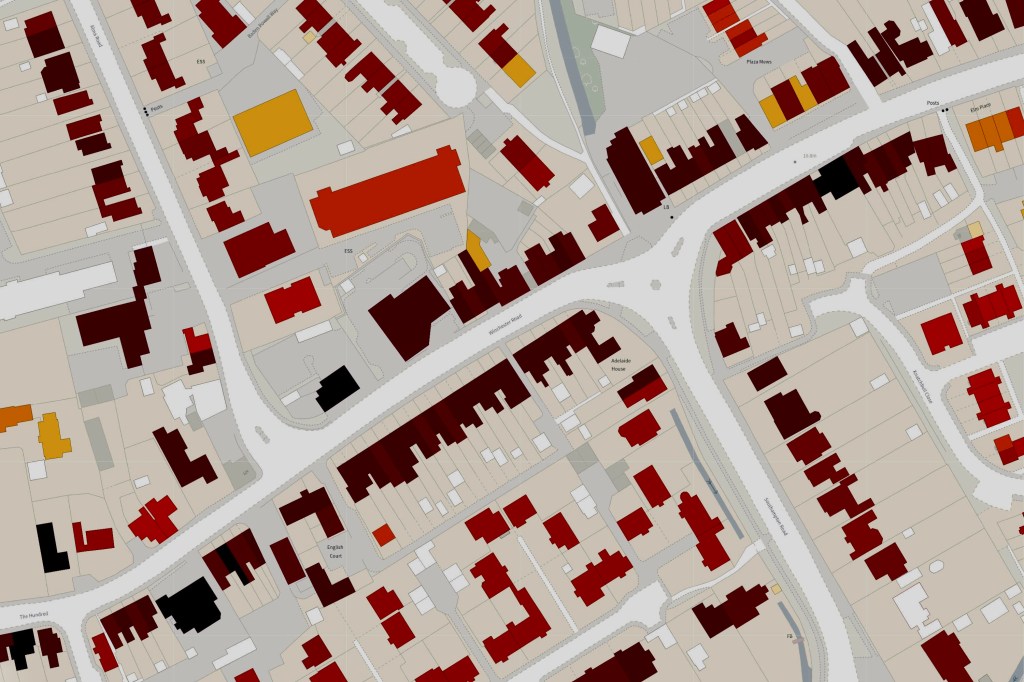
In the early 1990s, the UK Ordnance Survey transitioned from offering maps at cost to a commercially-driven model aimed at reducing taxpayer dependence. Spearheaded by Rhind, this shift was intended to generate new revenue streams by charging commercial rates, fostering innovation in the private sector, with this change occurring during John Major’s continuation of Margaret Thatcher’s free-market Conservative government.

On the surface, the strategy seemed a logical response to the digital age, but its impact on the OS’s client relationships raised concerns. A prime example was the UK Automobile Association (AA), which had long relied on OS maps. As the OS raised prices, the AA, caught between increasing costs and the need to maintain affordable services, began developing its own mapping solutions. This shift, prompted by Rhind’s commercial model, mirrored a broader industry trend where rising prices forced organizations to explore alternatives.

The AA’s move away from OS data highlighted a flaw in the OS’s strategy: by prioritizing revenue, the OS alienated loyal clients and opened the door for competitors offering cheaper or more specialized services. This weakened OS’s market dominance and contributed to the rise of private mapping services, eroding its monopoly.

This shift also sparked debate about public ownership of data. Mapping data, funded by taxpayers, had once been made available at cost to ensure equitable access. Rhind’s commercialization, while financially successful, seemed to contradict this principle, favoring revenue over the broader public good.

In hindsight, the transition to a commercial model raised important questions about the long-term sustainability of the OS. While it aimed to modernize the service and ensure financial self-sufficiency, it fragmented the market, driving clients to develop in-house solutions and creating competition. The AA’s departure underscores the risks of prioritizing profit over accessibility.

Today, the OS operates on a mixed-cost model, offering both free OpenData and premium products sold based on usage. This model aims to balance public access with financial sustainability, generating revenue for ongoing data maintenance. However, the legacy of the commercialization strategy persists, and the question remains whether the OS can maintain its mission of serving the public good while ensuring its financial independence. The challenge is finding a balance that doesn’t drive clients away or erode public access.

It’s interesting to note that the U.S. Geological Survey (USGS) continues to distribute a significant amount of its data free to the public including topographical map, earthquake and water data along with Landsat imagery. While the USGS does offer some cost-recovery and subscription-based data sets, the vast majority of its data holdings are still freely available, but I wonder how long this financial model will be in place under the second Trump administration. 

Paraguay – South America’s Hidden Gem 

I’ve been lucky to travel extensively, both for business and pleasure, but one place keeps calling me back, Paraguay. This landlocked gem in the heart of South America is a tapestry of history, culture, and natural beauty that quietly enchants all those who visit. It doesn’t clamor for attention like its more famous neighbors, but that’s part of its charm. Paraguay offers something richer – an intimate connection with its past and its people, especially through its extraordinary historical landmarks.

Paraguay’s history begins with the indigenous Guaraní people, whose deep spiritual connection to the land and vibrant oral traditions still echo today. The arrival of Spanish colonists in 1537 marked a turning point, with Asunción becoming one of South America’s first European settlements. Yet, it’s the Jesuit Missions, meticulously planned towns blending Guaraní culture with European architecture, that stand out as the country’s most compelling historical legacy. These ruins, like Trinidad del Paraná and Jesús de Tavarangüé, are hauntingly beautiful reminders of a unique social experiment where Jesuits and Guaraní communities coexisted for over 150 years. Walking among these intricately carved stone facades and vast courtyards feels like stepping into another era.

After gaining independence from Spain in 1811, Paraguay entered a tumultuous period under leaders like José Gaspar Rodríguez de Francia, who isolated the country to foster self-sufficiency. The devastating Paraguayan War of the 19th century nearly erased the nation’s population, but Paraguay emerged resilient. That resilience is palpable in the faces of its people, the melodies of its harp music, and its delicious, hearty cuisine.

Cultural fusion defines Paraguay. Guaraní traditions intertwine with Spanish influences, creating a unique national identity. Guaraní, alongside Spanish, is an official language, and this blend carries through to the arts. The delicate ñandutí lacework and the lilting strains of guaranía music reflect both history and heart. Cuisine also tells a story. From sopa paraguaya (a savory cornbread) to chipa (chewy cheese bread), every dish is a nod to the land’s indigenous roots and European techniques.

Paraguay’s natural beauty is no less captivating. The remnants of the Atlantic Forest in the east give way to the vast, semi-arid Gran Chaco in the west, home to unique wildlife and endless skies. The country’s commitment to renewable energy, particularly through the monumental Itaipú Dam, further showcases its connection to the land and forward-thinking potential.

But what sets Paraguay apart is its quiet authenticity. There are no glitzy landmarks clamoring for selfies. Instead, the country invites you to slow down, sip tereré with locals, and explore at your own pace. Whether it’s the ethereal Jesuit ruins, the rustic charm of Asunción’s historic districts, or the serenity of the Gran Chaco under a canopy of stars, Paraguay’s magic lies in its ability to make you feel like you’ve discovered a secret no one else knows.

For those craving something off the beaten path, Paraguay is a treasure waiting to be uncovered: a place where history, culture, and nature whisper their stories, leaving an indelible mark on your heart.

The Faded Sun Trilogy: A Story of Survival and Identity

Some books aren’t just read – they become companions, revisited as life shifts and perspectives deepen. For me, Frank Herbert’s Dune is one of those books, a story I reread every year, discovering something new as my own experiences reshape how I see it. But C.J. Cherryh’s The Faded Sun Trilogy holds a different kind of power. While I don’t revisit it annually, its well-worn spines tell the story of years spent returning to its rich, meditative exploration of culture, survival, and identity.

Published between 1978 and 1979, the trilogy – KesrithShon’jir, and Kutath – takes place in Cherryh’s Union-Alliance universe, where power struggles between species shape the galaxy. The Mri, a proud nomadic warrior culture, face extinction, betrayed by their former employers, the alien Regul, during a war with humanity. Once indispensable mercenaries, the Mri are now abandoned, eking out an existence on the desert planet Kesrith. It’s here that Sten Duncan, a human soldier, becomes entangled in their plight. His curiosity grows into something deeper as he immerses himself in their alien customs and traditions. Over the trilogy, Duncan evolves from an observer to a mediator, caught between the Mri and a universe determined to erase them.

The trilogy opens on Kesrith, a desert world as harsh and unrelenting as the Mri’s reality. Cherryh’s writing captures the desert as a living entity – a stark, intricate landscape mirroring the Mri’s fragile resilience. Humanity steps into the vacuum left by war, bringing complexities of expansion and conquest, while the Regul, bureaucratic and manipulative, operate from the shadows.

What makes Cherryh’s storytelling unforgettable is her refusal to romanticize the Mri. They are flawed, bound by an honor code that defines, but also constrains them. Their worldview, steeped in ritual and tradition, feels authentically alien, requiring both Duncan and the reader to adapt. Duncan’s transformation is central to the story, as he sheds the biases of his upbringing and immerses himself in the Mri’s culture. His journey reflects the trilogy’s larger questions: Can true understanding exist between fundamentally different peoples? And what is the cost of bridging that divide?

As the story unfolds in Shon’jir and Kutath, the stakes deepen. The surviving Mri flee Kesrith in search of a new home, grappling with the pressures to adapt or perish. Their destination, the ancestral world of Kutath, offers the promise of renewal, but also threatens irrelevance in a universe that has moved on without them. Cherryh captures this tension masterfully, forcing the Mri, and the reader, to confront the delicate balance between survival and transformation.

At its core, The Faded Sun Trilogy is a meditation on the fragility of cultural identity and the devastating impact of imperialism. The Mri’s plight echoes the experiences of countless displaced peoples, their traditions and way of life slowly eroded by conquest and assimilation. Cherryh critiques imperialism but avoids simple moral binaries. The Regul, manipulative and cold, and humanity, ambitious and expansionist, are driven by survival instincts rather than malice. This ambiguity forces the reader to grapple with the complexities of cultural dominance and erasure.

Environmental themes add another layer of depth. The desert of Kesrith is more than a setting; it embodies the Mri’s plight – beautiful yet unforgiving, resilient, but fragile. Cherryh draws subtle parallels between the destruction of ecosystems and the loss of cultures, reminding us that imperialism claims both land and people.

Cherryh’s prose is dense, her world-building meticulous, and her portrayal of alien perspectives unmatched. Yet this depth demands patience. The trilogy’s introspective tone and slow pacing, particularly in Shon’jir, may challenge readers, but those willing to engage with its complexities are richly rewarded.

This is not a story of grand battles or easy resolutions. It is a quiet masterpiece that explores identity, survival, and the cost of understanding. Its legacy is evident in modern science fiction, influencing works like The Expanse and A Memory Called Empire. Yet, it remains singular in its vision.

Returning to these books feels like standing in a vast desert – alone with the weight of history and the persistence of life. The truths Cherryh captures burn brightly, offering a story that transforms as deeply as it entertains.

Breaking Barriers: How DeepSeek is Redefining AI Innovation and Costs

I didn’t write this blog, except the wrapper. I was curious about how AI would respond to the emergence of yet another rival, so this morning I asked ChatGPT “Tell me about DeepSeek, and how it’s shaking up the AI market?”, and this is the result.  Please forgive the AI’s standard formatting and poor punctuation. 

“DeepSeek, a Chinese artificial intelligence (AI) startup founded in 2023 and backed by the hedge fund High-Flyer, has recently made significant waves in the AI industry with its latest model, DeepSeek-R1. This model has demonstrated capabilities comparable to leading AI systems, such as OpenAI’s o1, but was developed at a fraction of the cost – approximately $6 million – without relying on advanced semiconductor chips.  

The efficiency of DeepSeek-R1 is attributed to a technique known as the “mixture of experts,” which activates only the necessary computing resources for a given task. This approach not only enhances performance but also significantly reduces energy consumption.  

The emergence of DeepSeek has had immediate and profound effects on the global tech market. Major U.S. tech companies, including Nvidia, Microsoft, and Tesla, experienced substantial declines in their stock values, collectively losing nearly $1 trillion. Nvidia, in particular, saw a record 17% drop in its market capitalization.  

DeepSeek’s advancements challenge the prevailing notion that leading-edge AI development is confined to U.S. tech giants. By open-sourcing its models under an MIT license, DeepSeek is promoting a more accessible and collaborative approach to AI development. This move could disrupt existing pricing models and democratize access to advanced AI technologies.  

However, the rise of DeepSeek also raises concerns about the geopolitical implications of powerful AI technologies being developed outside the U.S., particularly in China. Issues such as potential censorship and the strategic use of AI are now at the forefront of discussions among policymakers and industry leaders.  

In summary, DeepSeek’s innovative approach and rapid progress are reshaping the AI landscape, prompting both excitement and caution as the global community navigates this new era of technological advancement.”

This potential disruption in the US domination of AI should be a wake up call to governments and investors alike, when buying into any “best of breed” scenarios, put before them. Governments rarely seem to understand that the industry-requested programs they fund, are really operational and capital subsidies, rather than accelerators or innovation catalysts. Watch this space as the story develops over the next few months. 

Navigating Relationships: Understanding Boundaries, Rules, and Agreements

Learning to navigate personal, professional and community dynamics is a set of skills we must all acquire over time. Personal boundaries, rules, and agreements play distinct, yet interconnected roles in defining relationships, promoting autonomy, and fostering mutual respect. While all three establish guidelines for behavior, their purpose and application differ significantly.

Personal boundaries are internal, self-determined limits that individuals set to protect their emotional, physical, and mental well-being. These boundaries reflect personal values, needs, and comfort levels. For example, someone might set a boundary by choosing not to discuss certain personal topics at work. Boundaries are non-negotiable because they are intrinsic to the individual’s sense of self and are communicated to others as a means of self-respect and preservation.

Rules, on the other hand, are often imposed by one person or a governing entity and tend to define acceptable behavior in a specific context. Unlike boundaries, which are individual and internal, rules are external and often apply universally within a group or relationship. For example, a parent might establish a household rule requiring all family members to eat dinner together. Rules can sometimes feel restrictive, as they are not always collaboratively created.

Agreements are mutual understandings or decisions made between individuals, often through negotiation and consent. They rely on open communication and shared values to foster cooperation and harmony. For example, in a relationship, partners might agree to prioritize quality time together every weekend. Unlike rules, agreements are flexible and evolve based on the needs of all parties involved.

In essence, boundaries define the self, rules impose structure, and agreements promote collaboration. Recognizing these differences allows individuals to navigate relationships more effectively, and respectfully. This is a very old post for me, and one I have used for many years, when dating and partnership conversations turn to honest, open, clear and direct communication.  

Latte Art, Avocados, and Empty Seats: A Geordie’s Guide to London Football Bias

Ah, the old southern bias strikes again! You’d think life – and football – only exists south of Watford Gap, wouldn’t you? Apparently, if you’re not down in London sipping a flat white in some soulless Shoreditch café or paying £12 for a slice of avocado toast, you don’t count. And when it comes to football, if you’re not Arsenal, Chelsea, or Spurs, well, you might as well be playing in the Championship according to some of these so-called pundits.

Take Newcastle United, for example – a proper football club with proper fans – HWTL! Not like these plastic mobs that turn up late to the Emirates and spend half the match checking their Instagram. Newcastle’s got St. James’ Park – a cathedral of football where 52,000 Geordies belt out chants so loud you can hear them in Sunderland (not that anyone’s listening down there). But according to the media, we’re just a “stepping stone” club, a place for players to stop off on their way to bigger, shinier things down south. Bigger? Shinier? Do me a favour.

Let’s talk about some of the lads pulling on the black and white these days. Anthony Gordon – a scouser by birth, but now one of our own. They said he’d never live up to his price tag when he joined, but he’s proved them wrong and then some. The lad runs like he’s got a rocket strapped to his back, and you’d need a police escort to catch him. Can you see him swapping the roar of the Gallowgate for a quiet corner of Stamford Bridge? Nah, me neither.

And then there’s Alexander Isak, a Swedish Rolls-Royce of a striker. He glides past defenders like they’re traffic cones and scores goals for fun. You reckon he’s looking at London and thinking, “Hmm, I’d like to swap the passion of the Toon Army for some half-empty seats at the Tottenham Hotspur Stadium”? Not a chance. He’s thriving in the North East – where football’s not just a sport, it’s a religion.

Oh, and don’t forget Bruno Guimarães, the Brazilian maestro pulling the strings in midfield. There’s not a club in the world that wouldn’t want him, but he’s made it crystal clear – he loves it here. You think he’s giving up proper football culture, and a city that treats him like a king to join the Arsenal TikTok brigade? Behave yourself.

The thing is, Newcastle’s not just a pit stop anymore. The days of being patronized by the southern elite are over. We’ve got world-class players, world-class facilities, and owners who could buy and sell most of London without breaking a sweat. And the fans? The best in the business. They’d follow the lads to the ends of the Earth – though, let’s face it, for us, that’s just Sunderland.

So, to all the southern softies with your artisan beers and overpriced flats: keep your latte art and your selfie sticks. Up here, we’ve got grit, heart, and a team that’s building something special. And trust me, once a player feels the raw passion of St. James’ Park and hears the roar of the Gallowgate, they’re not heading south – unless it’s for an away game or to show Spurs what a real club looks like.

Why Every Woman Should Have a FWB While Hunting for Mr. Right (Or Maybe Just Mr. Not-So-Wrong)

Let’s cut to the chase, ladies. Finding “The One” in today’s dating hellscape is like trying to find a decent avocado at a big-box grocery store—rare, questionable, and often too much effort. While you’re out there swiping, mingling, and dodging unsolicited shirtless selfies, there’s a case to be made for keeping a trusty friend-with-benefits (FWB) in the picture. Now hear me out, and don’t judge until I finish. 

The Safety Net of Sanity
Dating is stressful. The constant parade of first dates, awkward small talk, and deciding whether “I’m an entrepreneur” means he has an actual job or just resells sneakers on eBay can leave even the most composed among us clutching our wine glasses like life rafts. A good FWB is like the emotional support animal of modern dating: no drama, no long-term expectations, just reliable comfort. You don’t have to wonder if he’ll text back because, frankly, you don’t care. You’re not analyzing his Instagram likes. He’s just… there. Like your favorite pair of yoga pants—comfy, reliable, and never demanding more than you’re willing to give.

Keeping the Spark Alive
So, let’s get real, everyone deserves a little intimacy while waiting for love to show up (if it ever does). And the FWB arrangement lets you bypass all the nonsense. There’s no need to impress him with your career achievements or flawless skincare routine because he’s already in on the secret: you’re human, and you both know what you’re there for. Bonus points if your FWB is a decent conversationalist who actually laughs at your jokes instead of pretending he’s too cool to find you funny.

The Ego Boost
Nothing will remind you of how fabulous you are like having someone who’s more than happy to meet you for late-night “Netflix and chill.” Sure, he’s not offering moonlit strolls or deep discussions about your childhood dreams, but sometimes all you need is someone to make you feel sexy while Mr. Right is busy ghosting you after three weeks of excellent banter.

Practical Considerations
You know what’s great about an FWB? They don’t monopolize your weekends. They don’t care if you’re out dating other people. And they sure as hell aren’t asking why you haven’t introduced them to your parents yet. It’s a low-maintenance situation that leaves you with plenty of bandwidth to focus on swiping left on anyone who lists “alpha male” in their bio.

The Rules of Engagement
Now, before you dive in, let’s be clear: this isn’t a Hallmark movie where you and your FWB accidentally fall in love and spend eternity baking cookies together. That’s rom-com nonsense, and we’re too grown for that. Keep it casual. Keep it light. And for heaven’s sake, pick someone who knows the difference between FWB and BF, as well being skilled and experienced enough to guide you to climax! If he starts bringing you flowers or asking about your five-year plan, it’s time to cut him loose.

When Mr. Right Appears
Ah, but what happens when your dreamboat finally sails into view? Simple: you retire your FWB like an old pair of running shoes. Sure, it was fun, but the relationship was built on convenience, not forever. Thank him for his service and move on. If he’s really your friend, he’ll understand—and probably applaud your upgrade.

Ladies, life is too short to wait around with an empty dance card. A good FWB can be the perfect stopgap while you’re searching for your great love—or at least a guy who doesn’t text “u up?” at 3 a.m. So go ahead, embrace the arrangement. After all, it’s your world—he’s just visiting.

Technofeudalism: The Tyranny of Algorithms

Technofeudalism is a fitting term for the digital dystopia we find ourselves in, where the lords of Silicon Valley have effectively swapped medieval castles for server farms and algorithms. These tech overlords – Google, Amazon, Meta, and their ilk – don’t just run companies; they dominate entire ecosystems. Their platforms are the new fiefdoms, and whether you’re a gig worker delivering takeout or a small business trying to stay afloat, you’re shackled to their rules. In this brave new world, control over data has replaced land as the ultimate source of power, and boy, do they exploit it.

Your data, your clicks, your time – it’s all harvested, packaged, and sold with the precision of a factory assembly line, and you don’t see a dime of it. Meanwhile, the CEOs of these tech behemoths are catapulted to absurd levels of wealth, flaunting their fortunes with space joyrides and vanity projects while the rest of us are left wondering why gig workers can’t get healthcare or basic rights. Let’s not sugarcoat this: it’s feudalism 2.0, and instead of serfs toiling in fields, we have content creators hustling for likes, delivery drivers racing against the clock, and an entire workforce that’s disposable, replaceable, and utterly dependent on the platforms that exploit them.

And the surveillance – oh, the surveillance! If medieval lords wanted to know who was sneaking into the village at night, they had to send out a scout. Today, Big Tech knows what you’re buying, watching, and thinking before you do. Every app, every platform, every innocuous “I agree to the terms” click is another layer of the panopticon. These companies don’t just watch – they nudge, manipulate, and control. The algorithm decides what you see, what you believe, and ultimately, what you become. Your freedom of choice is an illusion, dressed up in a sleek interface and a cheery “personalized for you” tagline.

Technofeudalism also serves up a double punch to democracy and culture. Remember when the internet was supposed to be a democratizing force? Instead, it’s become a breeding ground for misinformation and extremism, all in the name of “engagement.” The platforms profit off chaos while the rest of us drown in it. And culturally, they’ve managed to homogenize global expression to such a degree that smaller voices and alternative perspectives are buried under the algorithm’s relentless drive for profit. TikTok and Instagram aren’t cultural platforms; they’re content factories, churning out trends as disposable as the devices they run on.

Even the environment isn’t safe from this digital serfdom. Those shiny data centers? They guzzle energy like medieval feasts guzzled wine. The constant churn of new devices fuels e-waste mountains that rival any landfill, and yet the tech titans insist that we upgrade, consume, and keep feeding the machine. Sustainability is a footnote in their quest for endless growth.

The cracks, though, are beginning to show. From antitrust lawsuits to grassroots movements demanding labor rights and data privacy, resistance to this technofeudal nightmare is growing. But let’s not kid ourselves – it’s an uphill battle. The digital lords aren’t going to give up their power without a fight, and governments are often too slow, too timid, or too compromised to rein them in.

So here we are, the serfs of the digital age, working tirelessly for the enrichment of a few tech barons who don’t just own the platforms – we live on them. It’s a system rigged to serve their interests, and unless we start breaking their monopolies and demanding a digital economy that works for everyone, technofeudalism will continue to tighten its grip. This isn’t the future we signed up for, but it’s the one we’re stuck with – for now.