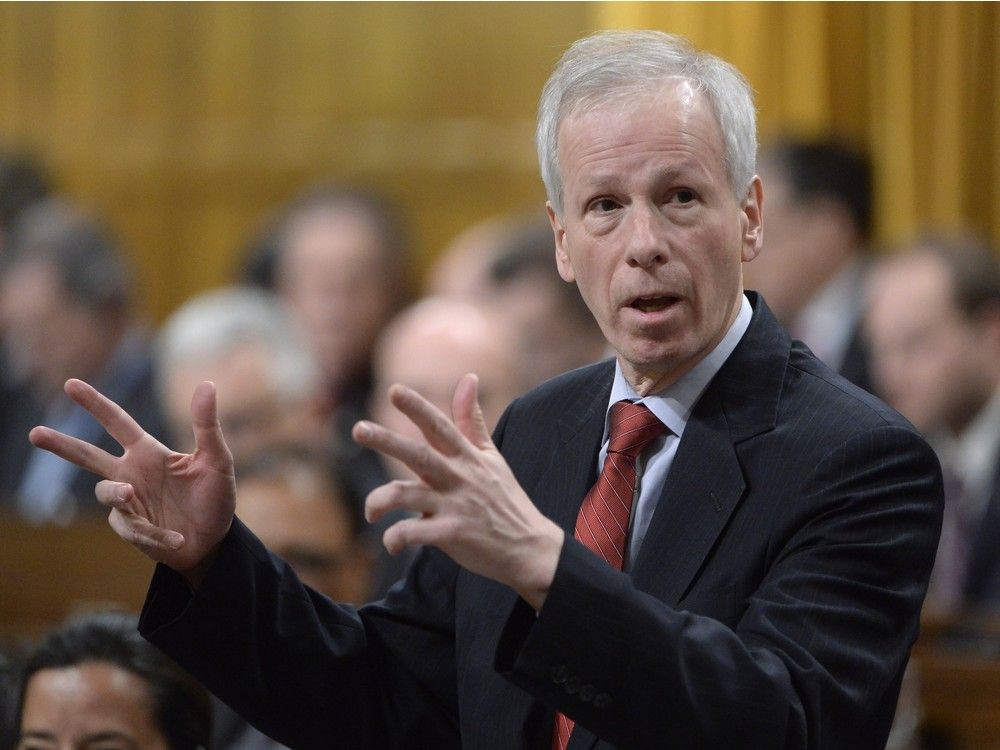
Folly at the Border: Why War with Canada is a Losing Game

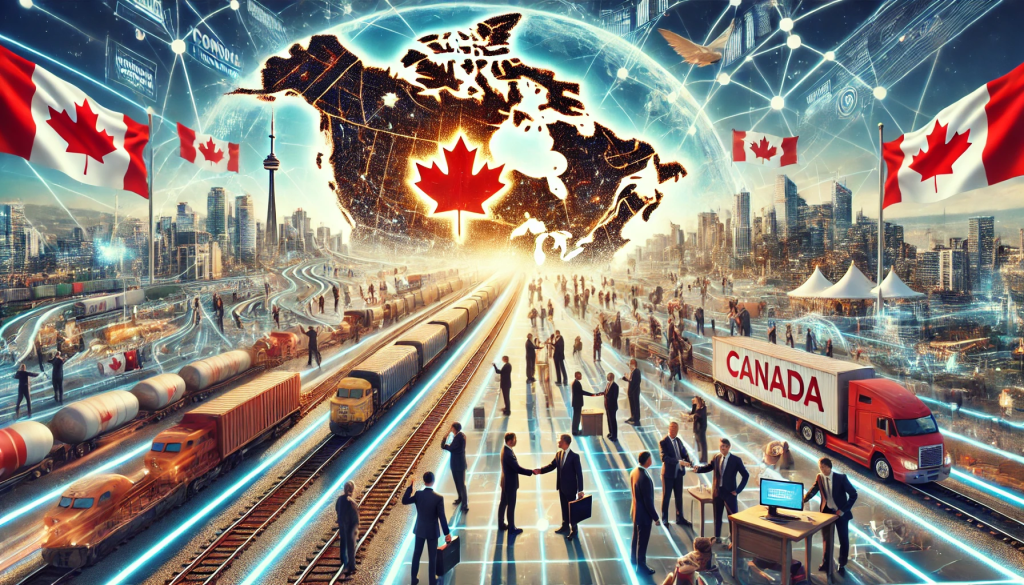
The idea of the United States invading Canada is pure fantasy – fiction that resurfaces when political tensions rise. History has seen conflict between the two nations, notably the War of 1812, but in modern times, such an invasion is not just improbable – it’s impossible. The recent escalation of trade tensions, triggered by the U.S. threat of 25% tariffs on Canadian imports in February 2025, has renewed debate over the state of relations. But let’s be clear: trade disputes don’t lead to tanks rolling across borders.

Canada and the U.S. share the world’s longest peaceful border (8,890 km) and a deeply intertwined economy. Canada is the U.S.’s second-largest trading partner, with trade worth hundreds of billions annually. A military invasion would shatter this economic relationship, triggering global market chaos, retaliatory tariffs, and crippling sanctions. The U.S.-Mexico-Canada Agreement (USMCA) would collapse, devastating American industries and consumers. Even the mere suggestion of aggression would spook markets and alienate key allies, making it a non-starter for even the most hardline economic nationalists.
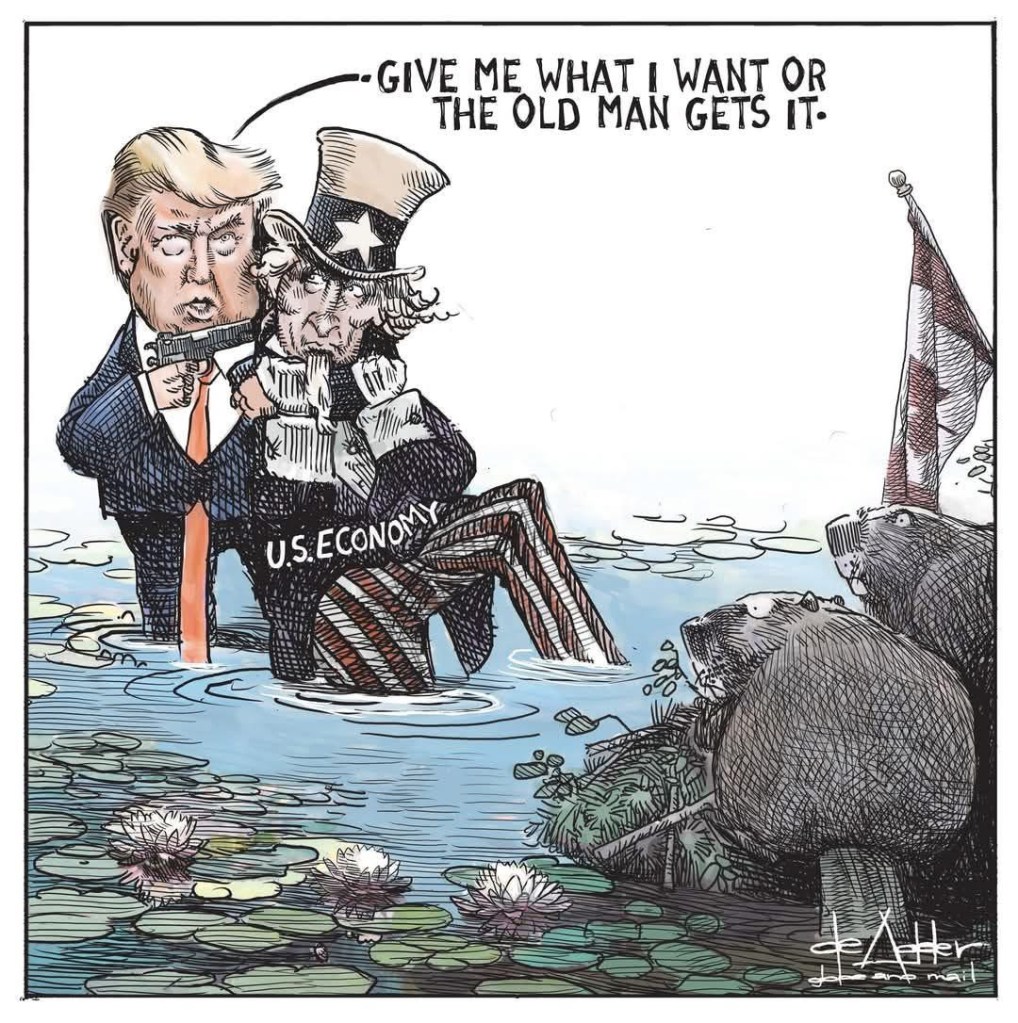
Yes, the U.S. has the world’s most powerful military. No, that doesn’t mean invading Canada is feasible. Geography alone makes occupation nearly impossible. Vast forests, prairies, and the Rocky Mountains would bog down any invading force. Even during the War of 1812, when Canada was smaller and less industrialized, American forces struggled to maintain supply lines. Today, with modern infrastructure and a well-equipped Canadian military, the challenge would be exponentially greater.

Canada’s armed forces, though smaller than the U.S. military, are highly professional, technologically advanced, and well-integrated into NATO. The moment American troops crossed the border, global condemnation would be swift, and allies, including European powers, would not tolerate such an egregious violation of international law. The U.S. would find itself isolated and facing retaliatory action.

Invading Canada wouldn’t just be a military disaster, it would make the U.S. a global pariah. Canada is one of the world’s most respected nations, known for diplomacy, peacekeeping, and strong alliances. An unprovoked attack would trigger severe sanctions from the EU, UK, and other key trading partners, crippling U.S. banks and multinational corporations. The diplomatic fallout could even fracture NATO.

At home, the American public would reject such a reckless move. Canadians, fiercely proud of their independence, would mount an unyielding resistance. Any occupying force would face guerrilla warfare, sabotage, and mass civil disobedience – turning Canada into another unwinnable quagmire, like Vietnam or Iraq. The political backlash within the U.S. would be massive, with protests and upheaval against a war that serves no legitimate purpose.

Beyond all this, a war with Canada would be a direct threat to North American security. The U.S. and Canada work together through NORAD, jointly protecting the continent. Disrupting this alliance would leave both nations vulnerable to adversaries like China and Russia. In today’s world, power is determined by cybersecurity, economic influence, and technological dominance – not outdated military conquest.

Even in the heat of a 2025 trade war, where tensions are high, the leap from tariffs to military action is absurd. Trade disputes are fought with economic measures, not invasions. The fact that some even entertain this notion is more a reflection of political hyperbole than any serious strategic consideration.

A U.S. invasion of Canada isn’t just impractical – it’s impossible. The economic fallout, military challenges, guaranteed international backlash, and fierce Canadian resistance make it a non-option. The U.S. and Canada have their disagreements, but history has shown that their relationship is built on cooperation, shared values, and mutual benefit. The current trade war will eventually be resolved through negotiation, not war.

So, let’s put this nonsense to rest. Canada isn’t going anywhere. And if anyone thinks otherwise – think again.

Skates Over Seats: Why Ottawa Prefers the Rideau Canal to the Arena

Winterlude is here, and Ottawans, along with the tourists are really getting their money’s worth this year, with consistent sub-zero temperatures, smooth ice, and new food franchises.  This season’s festival clearly demonstrates that Ottawans would rather be out participating in activities, than sitting on uncomfortable plastic seats watching sports. 

Ottawa has plenty of things going for it—picturesque scenery, a high quality of life, and more civil servants per capita than just about anywhere else on the continent. But when it comes to sports culture, the capital falls a little flat. Yes, we have professional teams. We have the Senators in the NHL, the Redblacks in the CFL, and a handful of smaller franchises that do their best to keep the local sports scene lively. But despite all this, Ottawa just doesn’t have the rabid, all-consuming sports identity you find in places like Montreal or Toronto.

For starters, the fan engagement here is… conditional. When a team is winning, Ottawa can look like a real sports city. Remember the 2017 Senators playoff run? The entire town briefly got swept up in the excitement—until, of course, the next season, when attendance dropped faster than the team’s fortunes. This isn’t unique to hockey. The Redblacks won a Grey Cup in 2016, and for a brief, shining moment, the city actually seemed to care about the CFL. But before that? The league had already folded two Ottawa franchises due to lack of interest. If your city keeps losing football teams the way most people lose toques, it might not be a sports town.

Hockey is supposed to be the exception, but even that’s complicated here. The Senators have always struggled to build a truly devoted fanbase, and a big reason for that is simple—Ottawa is filled with Leafs and Habs fans. On any given game night at the Canadian Tire Centre, when Toronto or Montreal is in town, it’s just as likely to sound like an away game as a home one. There’s no other NHL city in Canada where this happens. Imagine walking into a Flames game in Calgary and seeing half the crowd decked out in Oilers jerseys. It would be unthinkable. In Ottawa, it’s just another Tuesday.

Part of the problem is that this is a government town. People move here for work, not because their great-grandfather was a Sens fan, and they were born to suffer through rebuilding seasons. There’s no blue-collar sports culture, no generational loyalty to a single team. The fanbase is a mixed bag, and when teams start to lose, the casual supporters disappear.

And if we’re being completely honest, Ottawans are more likely to be playing sports than watching them. Why sit in a half-empty stadium when you could be skating on the Rideau Canal, cross-country skiing in Gatineau Park, or cycling along the Ottawa River? The city’s recreational culture is strong—its spectator culture, not so much.

So yes, Ottawa has sports teams. But is it a sports town? Not really. It’s a town that tolerates sports, one that occasionally gets excited when a team does well, but quickly moves on when they don’t. The real energy here isn’t in the arenas or stadiums—it’s in the coffee shops, the outdoor trails, and, of course, in the never-ending debates over LRT failures and public service policies. And maybe that’s fine. Not every city needs to be a die-hard sports town. But let’s not pretend Ottawa is something it’s not.

Breaking Down Barriers: The Push for a Truly Unified Canadian Market

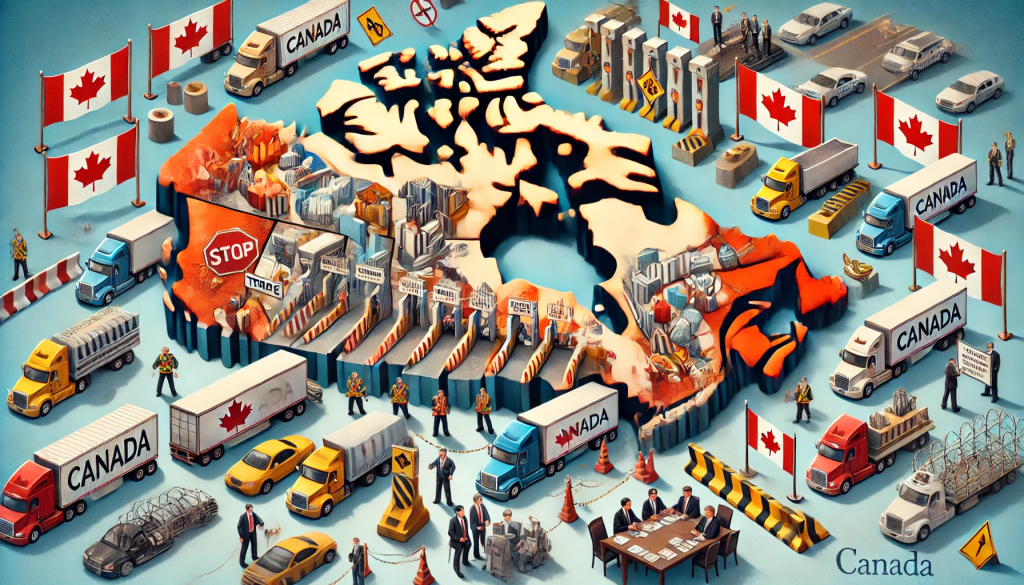
Pierre Poilievre has finally proposed a plan to address the Trump administration’s February 2025 tariffs, seemingly based on an International Monetary Fund (IMF) report. This raises the question: what progress has Canada made on internal trade barriers in response to the IMF’s findings, and what still needs to be done?

Over the past five years, Canada has tackled some of the regulatory and geographic hurdles that have long hindered economic efficiency. The 2019 IMF report highlighted these four barriers—regulatory fragmentation, restrictive provincial controls on goods like alcohol, technical inconsistencies in industry standards, and vast geographic challenges. While reforms have occurred, largely under the Canadian Free Trade Agreement (CFTA), major inefficiencies remain.

The COVID-19 pandemic underscored the fragility of Canada’s fragmented market, prompting temporary regulatory flexibility. Licensing restrictions were eased for healthcare workers, and supply chain barriers were lifted to prevent shortages. This period proved that interprovincial trade barriers could be swiftly reduced when necessary. Yet, once the crisis subsided, most provinces reinstated pre-pandemic restrictions, missing an opportunity for lasting reform.

The CFTA, in place since 2017, has encouraged regulatory alignment, particularly in vehicle weight standards, and professional certifications. However, progress has been slow, with key industries such as construction, trucking, and food processing still burdened by differing provincial rules. One of the more visible steps forward has been the relaxation of alcohol trade restrictions. In 2018, provincial premiers agreed to lift some limits on interprovincial alcohol transportation, while trying to address the mixed market of monopolistic liquor boards and private sector businesses. 

The economic potential of eliminating these barriers is staggering. A report commissioned by Alberta’s government found that mutual recognition across provinces could boost GDP by up to 7.9%, adding as much as $200 billion annually. Internal Trade Minister Anita Anand reinforced this in a January 2025 CBC interview, stating that reducing trade barriers “could lower prices by up to 15 per cent, boost productivity by up to seven per cent, and add up to $200 billion to the domestic economy.” Yet, political inertia and regional protectionism have stalled deeper reforms.

In the short to medium term, Canada must prioritize mutual recognition agreements to streamline licensing and regulatory requirements. The construction industry, for example, faces costly delays due to inconsistent building codes across provinces—an easily fixable issue. Beyond regulatory alignment, reducing paperwork and red tape, particularly for small and medium-sized enterprises, would remove unnecessary friction from the system. A Federal-Provincial-Territorial (FPT) taskforce focused on simplifying these processes, combined with digital infrastructure investments for e-licensing, could provide meaningful relief.

Addressing natural barriers is a longer-term challenge, but progress is possible. Expanding interprovincial transportation networks and improving digital connectivity in rural areas would allow businesses to access larger markets more efficiently.

Ultimately, Canada needs sustained political will to drive internal trade reform. While agreements like the CFTA have laid the groundwork, stronger enforcement mechanisms, and a shift away from provincial protectionism are required. If provinces remain uncooperative, federal intervention may become necessary to unlock the full economic potential of a truly open market. Canada cannot afford to let bureaucratic inertia continue to suppress its economic growth.

The Ford-Poilievre Equation: Will Ontario’s Voting Patterns Derail Federal Conservative Hopes?

With Doug Ford calling a provincial election for February 27th, 2025, the bigger question is how will this move affect Pierre Poilievre’s federal election ambitions? 

The notion that Ontarians prefer to separate their provincial and federal allegiances stems from an observable—but not universal—trend in Canadian voting patterns. Historically, Ontarians have been seen as pragmatic voters who often prioritize balance in governance, particularly when one party’s policies become too dominant at one level of government. This sentiment can manifest as a counterweight strategy: if a party governs provincially, voters may feel the need to elect a different party federally to avoid over-concentration of power. However, the reality is nuanced, and many factors interplay with this perceived pattern.

Historical Context and Party Dynamics
For much of Canada’s modern political history, Ontario has served as the battleground that determines national election outcomes. Given its population and seat count in the House of Commons, the province holds disproportionate influence over which federal party forms government. Historically, there have been instances when Ontarians demonstrated a preference for contrasting party control. For example:

1995–2003: While Mike Harris and the Ontario Progressive Conservatives implemented the controversial “Common Sense Revolution,” Ontarians repeatedly supported Jean Chrétien’s Liberal Party at the federal level. Voters may have been wary of similar austerity measures being implemented federally.

2003–2018: During the Ontario Liberal Party’s 15-year rule, the federal Liberal Party experienced both opposition and government periods. However, the Stephen Harper years (2006–2015) saw Ontarians lean Conservative federally, even while backing the Liberals provincially—a testament to their selective pragmatism.

Doug Ford and Ontario Politics
Doug Ford’s premiership has been polarizing. His government’s handling of issues like healthcare, education, and pandemic management has garnered both staunch support and fierce criticism. A victory in the upcoming February 27th election would reinforce Ford’s leadership in Ontario and demonstrate voter confidence in his provincial policies. However, his association with the federal Conservative Party—though unofficial—could complicate federal dynamics.

Critics argue that Ford’s policies, including his cuts to social programs and controversial land-use decisions, such as opening portions of the Greenbelt for development, might alienate centrist Ontario voters from Pierre Poilievre’s federal Conservative Party. Many Ontarians may see the potential of a Conservative majority at both levels as a risk to maintaining a balanced political environment, especially if Ford’s policies are seen as misaligned with their values.

Federal Conservatives and Pierre Poilievre
Pierre Poilievre’s leadership of the federal Conservative Party marks a shift toward a more populist, right-wing approach. While this strategy has energized parts of the Conservative base, particularly in Western Canada, it remains uncertain how it will resonate with Ontario’s diverse electorate. The province’s suburban and urban voters, who tend to swing elections, may view a Ford-Poilievre tandem as too ideologically extreme.

If Ontarians re-elect Ford, Poilievre may face an uphill battle convincing the province’s moderate voters that his federal policies differ meaningfully from Ford’s. This could weaken the Conservative Party’s ability to make significant inroads in the 905 region, a critical area surrounding Toronto that often decides federal elections.

Counterarguments and Complexities
While the separation of provincial and federal voting patterns is an observable trend, it is far from absolute. Some commentators argue that shared governance by the same party can actually strengthen voter confidence if the party is performing well. For instance, Doug Ford’s ability to deliver on infrastructure projects, such as highway expansions, may enhance perceptions of Conservative competence, benefiting Poilievre federally. Additionally, the collapse of the Ontario Liberal Party and the challenges faced by the NDP at the provincial level leave limited alternatives for voters disenchanted with Ford.

Voter behavior is increasingly issue-driven rather than party-driven. Federal and provincial elections are often fought on vastly different platforms. Healthcare, education, and municipal matters dominate provincial elections, while federal campaigns focus on national defense, the economy, and foreign policy. Ontarians may see Ford and Poilievre as addressing separate issues, reducing the perceived risk of a Conservative double government.

While there is historical precedent suggesting that Ontarians often prefer different parties at the provincial and federal levels, it would be reductive to assume that Doug Ford’s re-election would automatically weaken the federal Conservative Party’s chances of winning a majority. Ontarians are pragmatic voters who weigh numerous factors beyond party labels. However, should Ford’s government face mounting criticism or become embroiled in scandals, this could cast a shadow on Poilievre’s campaign, particularly among centrist voters. Conversely, if Ford’s policies resonate with Ontarians and his government appears competent, it could bolster the case for a Conservative federal government.

Ultimately, the outcome will hinge on voter perceptions of leadership, policy, and governance at both levels—a dynamic interplay that defies simple predictions.

An Alternative North American Future?

It began in the aftermath of the Trump years – a nation divided, fractured at its very core. The United States, once a symbol of strength and unity, had unraveled under the weight of its own polarization. Years of escalating political infighting, economic instability, and growing regional tensions had pushed the great experiment of American democracy to its breaking point. When the collapse came, it was not with a bang, but with a slow, inevitable unraveling.

In the early 2030s, the federal government, weakened by years of partisan gridlock and financial crises, failed to contain the growing unrest. States, long at odds over issues of governance, resources, and ideology, began asserting their independence. California, Texas, and other powerful states declared their sovereignty, severing ties with Washington, D.C., and leaving the remnants of the federal government powerless. What was once a union of fifty states dissolved into chaos.

As the world watched in shock, two nations quietly stepped forward: Canada and Mexico. Both had been America’s neighbors and partners, but now, they saw an opportunity, and a necessity, to reshape the continent.

The Canadian Annexation
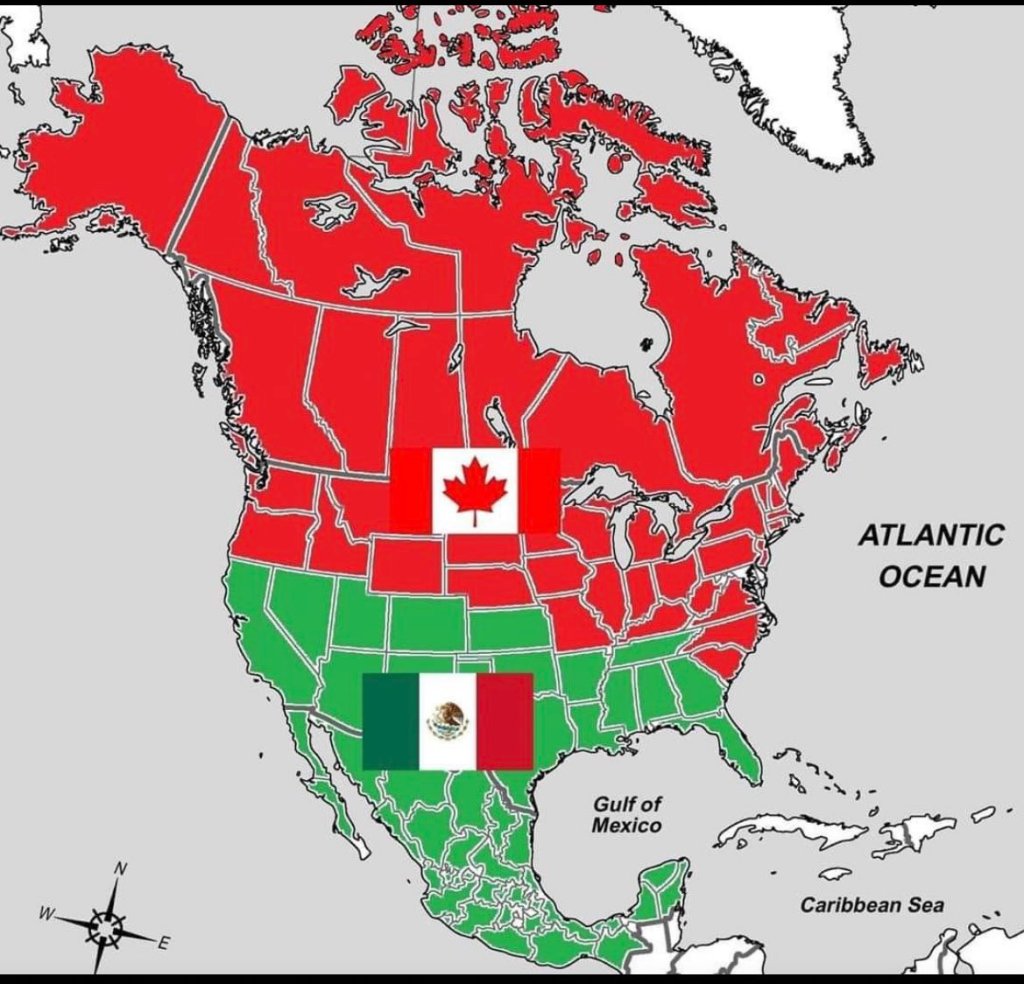
To the north, Canada extended a cautious but determined hand to the crumbling states along its border. The former states of Michigan, Minnesota, North Dakota, and Montana, facing economic collapse and a bitter winter with no central government to guide them, sought refuge under Ottawa’s governance. Canada, ever pragmatic, offered them integration in exchange for loyalty to its parliamentary system and adoption of its healthcare and social policies.

The Pacific Northwest—Washington, Oregon, and northern California—quickly followed. Their progressive politics and environmental priorities aligned well with Canada’s ethos. Vancouver and Seattle became twin metropolises, and the region flourished under Canadian stewardship. The newly expanded Canada, now stretching as far south as the Sierra Nevada, became an economic powerhouse, blending American innovation with Canadian stability.

Mexico’s Revival
To the south, Mexico reclaimed lands it had lost centuries earlier. Texas, Arizona, New Mexico, and southern California were among the first to fall into its orbit. For these states, heavily influenced by Hispanic culture and history, the transition was both practical and symbolic—a return to roots.

Mexico, long underestimated on the global stage, rose to meet the challenge. The integration of these territories revitalized its economy, spurred technological innovation, and solidified its status as a regional superpower. Cities like Los Angeles and Austin, while retaining their unique identities, became hubs of a new Mexican-led cultural renaissance. Spanish replaced English as the dominant language in much of the region, and Mexico’s influence spread northward.

A Continent Redefined
By the 2040s, the map of North America had been redrawn. Canada and Mexico had divided the former United States almost evenly, with a handful of independent city-states like New York and Chicago remaining as neutral enclaves. The continent was no longer dominated by a single superpower but by two distinct and rising nations, each shaped by the remnants of the United States they had absorbed.

Canada, now stretching from the Arctic to the Rockies and the Great Lakes to the Pacific, became a beacon of progressive governance and environmental stewardship. Mexico, infused with the energy of its newly integrated territories, grew into a vibrant economic and cultural force, bridging Latin America with the former United States.

The world adapted to this new reality. China and the European Union moved to fill the void left by America’s collapse, but Canada and Mexico ensured North America remained a critical player on the global stage. Though the stars and stripes had fallen, the legacy of the United States lived on—in the governments, cultures, and people of its successor states.

And so, the great American experiment ended, not in triumph or tragedy, but in transformation, a testament to the resilience of a continent and the enduring power of reinvention.

Canada’s Liberal-NDP Merger: A Progressive Dream or a Political Quagmire?

Every now and then, someone floats the idea of merging Canada’s Liberals and New Democratic Party (NDP) as a grand strategy to hold back the Conservative tide. It’s a tantalizing thought for progressives who dread another Conservative government, but as any political historian—or an amused observer—will tell you, forcing together two uneasy dance partners doesn’t always end in harmony. In fact, it can lead to a faceplant on the ballroom floor, as history (and the UK) has shown us.

Take the UK’s attempt at uniting progressive forces in the 1980s as a cautionary tale. Back then, the Liberals teamed up with the Social Democratic Party (SDP) to form what they hoped would be a powerhouse against Margaret Thatcher’s Conservative juggernaut. Instead, they got an ideological soup that pleased no one and left their supporters scratching their heads. By the time the merged Liberal Democrats limped onto the political stage, they were largely ignored by the very voters they aimed to court. Canada’s Liberals and NDP might want to bookmark that chapter of history before drafting any unity agreements.

The fundamental issue? Ideological oil and water. Canada’s Liberals like to keep one foot in the progressive camp while the other tiptoes toward fiscal centrism. They’re the party for the moderates, the suburban professionals, and anyone vaguely uneasy about extremes. The NDP, on the other hand, marches proudly leftward, waving banners for labor rights, universal pharmacare, and wealth redistribution. Combining these two could be like trying to blend craft beer and boxed wine: you risk alienating both audiences.

Polling numbers don’t paint a rosy picture either. A 2023 Research Co. survey found that just 36% of Canadians support a Liberal-NDP merger, with a solid 50% giving it the thumbs-down. Among NDP voters, enthusiasm drops even lower, showing just how fiercely they guard their party’s distinctiveness. It’s like asking a die-hard jazz fan to embrace bubblegum pop—there’s just no groove there.

And what about the supposed electoral benefits? Advocates argue that combining forces would consolidate the center-left vote, preventing Conservative majorities. But the numbers don’t back up the optimism. The same poll shows a merged party would still trail the Conservatives, 36% to 42%. Worse, this deficit is glaring in battleground provinces like Ontario and British Columbia. A merger may sound good in theory, but in practice, it could hand the Conservatives more ammunition than a month of attack ads.

There’s also the issue of political accountability. One of the perks of having separate parties is that they challenge each other on issues like climate policy, housing, and economic justice. The Liberals and NDP keep each other sharp, offering Canadians a buffet of progressive options. A merger could water down this diversity, leaving the political discourse thinner and less satisfying than a watered-down latte. The UK’s experience serves as a warning here too: when the Liberal Democrats lost their distinctiveness, the Conservatives took the stage unopposed, with Labour left trying to reclaim its footing.

So, what’s the alternative? Strategic collaboration. Think of it as political co-parenting: the Liberals and NDP could team up temporarily to block Conservative majorities without tying the knot. This lets them work together on shared goals—whether it’s climate action or affordable housing—while staying true to their individual identities. It’s not as flashy as a full merger, but it’s far less likely to spark the kind of buyer’s remorse that sends voters running for the exits.

In the end, merging the Liberals and NDP may sound like a clever way to fend off the Conservatives, but history and logic suggest otherwise. Canada’s political left would do well to heed the lessons of the UK: sometimes, it’s better to keep the band together than to attempt a fusion album no one asked for. Strategic partnerships, not forced marriages, are the way to keep progressive politics vibrant and competitive in Canada. Let the Liberals be the pragmatists, the NDP the idealists, and voters the beneficiaries of a lively, diverse political landscape.

Justin Trudeau’s Legacy: A Leader of Bold Aspirations and Imperfect Progress

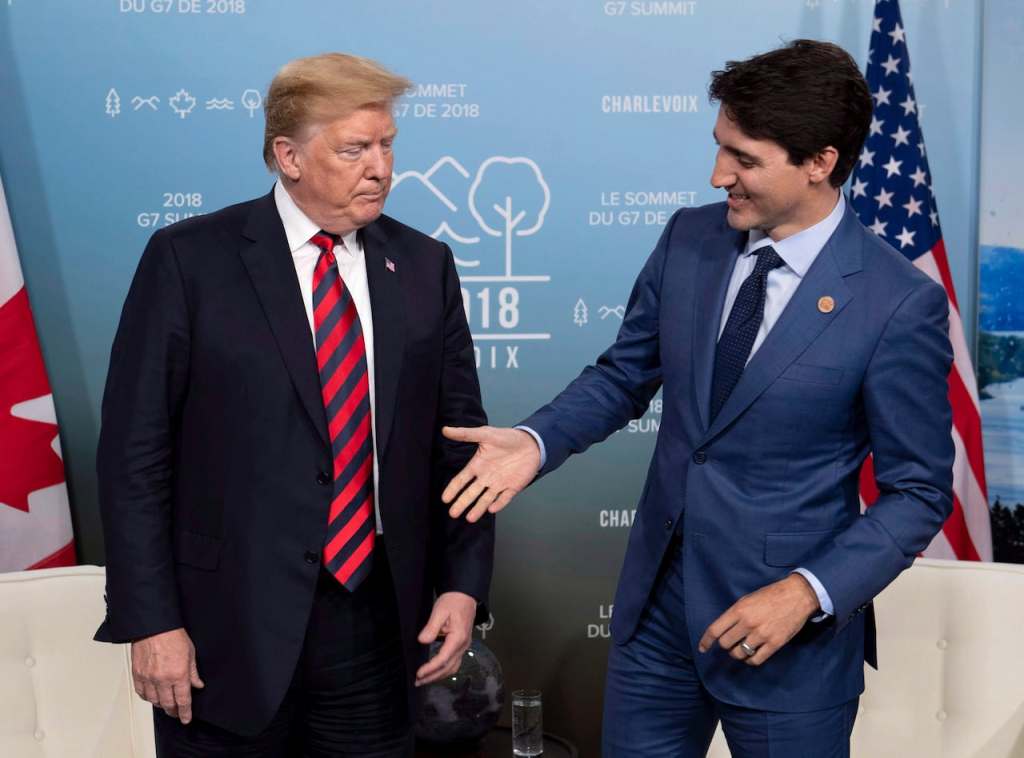
I have been working on this post for a while, as soon as it became clear that Justin Trudeau would be resigning. I don’t normally publish pieces this long, but I found that I needed this length to enable me to even just skim the surface of how this man transformed Canada as a nation, and its standing in the world. For me, his biggest failure was not reforming Canada’s federal election system after he vowed that the 2015 process would be the last conducted under the first past the post model. However, it soon became clear that the party’s backroom boys, and many newly minted MPs had other priorities, and so his government abandoned the pledge in 2017, disappointing advocates for electoral reform and leaving a key campaign promise unfulfilled.

Justin Trudeau’s tenure as Canada’s 23rd Prime Minister is a legacy of contradictions: one of bold progressive achievements, and high-profile missteps, of inspiring rhetoric and underwhelming follow-through. While his time in office has left the country more inclusive and forward-looking in many ways, it has also been marked by challenges and controversies that complicate the narrative of his leadership. Viewed holistically, Trudeau’s legacy is one of meaningful but imperfect progress – an era defined by a mixture of transformative change and opportunities missed.

Economically, Trudeau’s record is more complex. Programs like the Canada Child Benefit significantly reduced child poverty, providing direct financial relief to families and underscoring his government’s focus on middle-class Canadians. His investments in infrastructure and housing created jobs and spurred economic growth. However, these initiatives came at the cost of mounting deficits and an increased national debt, raising questions about long-term fiscal sustainability. Critics argue that his government’s policies failed to adequately address systemic issues such as housing affordability, which worsened during his tenure. Rising home prices left many young Canadians struggling to enter the housing market, highlighting a gap between Trudeau’s promises and tangible results. While his economic agenda was ambitious, it often struggled to balance short-term relief with long-term stability.

One of the most enduring aspects of Trudeau’s legacy is his commitment to diversity and inclusion. From the outset, he reshaped the face of Canadian politics with his historic, gender-balanced cabinet that included individuals from a variety of racial, religious, and cultural backgrounds. His reasoning – “Because it’s 2015” – became a shorthand for Canada’s progressive aspirations on the global stage. By elevating underrepresented voices, Trudeau sought to ensure that Canada’s leadership reflected its diverse population, signaling a renewed commitment to multiculturalism at a time when many countries were turning inward. This emphasis on inclusion not only bolstered Canada’s international reputation but also helped inspire a new generation of Canadians to see politics as a space for all.

Climate change was one of the defining issues of Trudeau’s leadership, and his government made significant strides in this area. The implementation of a nationwide carbon pricing system positioned Canada as a global leader in climate policy, reinforcing the country’s commitment to the Paris Agreement. Yet, this progress was undermined by the government’s purchase of the Trans Mountain Pipeline, which angered environmental advocates and Indigenous communities. Trudeau’s attempt to balance environmental goals with the economic realities of a resource-driven economy often left both sides dissatisfied. Nevertheless, his climate policies laid the groundwork for Canada’s transition to a more sustainable future, even if they were not without contradictions.

Trudeau’s relationship with Indigenous communities represents another area of mixed results. He made reconciliation a central theme of his leadership, offering apologies for historical injustices and pledging to address long-standing inequities. His government made progress on some fronts, such as lifting long-standing boil-water advisories in many Indigenous communities. However, significant gaps remained, particularly in addressing land rights and implementing the Truth and Reconciliation Commission’s calls to action. Many Indigenous leaders criticized the slow pace of change, arguing that Trudeau’s symbolic gestures often failed to translate into substantive action. While his efforts were genuine, they were frequently insufficient to meet the scale of the challenges at hand.

Ethics and accountability proved to be persistent weak points in Trudeau’s leadership. The SNC-Lavalin affair and the WE Charity scandal highlighted a troubling pattern of ethical lapses that undermined public trust. In both cases, Trudeau faced accusations of placing political interests above transparency and accountability. These controversies tarnished his image as a champion of ethical governance, leaving a stain on his record that cannot be ignored.

Yet, even amid these challenges, Trudeau’s ability to connect with Canadians on a personal level remained one of his greatest strengths. Whether marching in Pride parades, hosting town halls, or addressing the nation during the COVID-19 pandemic, he demonstrated an empathy and accessibility that set him apart from many of his predecessors. His optimism and charisma helped re-energize Canadian politics, particularly among younger voters, who saw in him a leader who genuinely cared about their concerns. While his leadership style occasionally veered toward the performative, it also reflected a deep understanding of the importance of symbolism in shaping national identity.

Ultimately, Trudeau’s legacy is one of imperfect but meaningful progress. His government advanced diversity, economic support for families, and climate action, while grappling with the realities of governance in a polarized and rapidly changing world. His tenure was far from flawless, marred by ethical lapses, unfulfilled promises, and the challenges of balancing competing priorities. However, his vision for a more inclusive, progressive, and globally engaged Canada resonated with millions and left an indelible mark on the country’s political landscape.

Justin Trudeau’s time as Prime Minister will likely be remembered not for perfection, but for aspiration. He sought to push Canada forward in ways that reflected its highest ideals, even if he sometimes fell short. For all the controversies and compromises, his leadership ushered in an era that redefined what Canada could stand for on the world stage: diversity, progress, and hope.

American Strategy or Political Posturing? 

President-elect Donald Trump’s recent comments regarding the Panama Canal, Greenland, Canada, and Iceland have ignited a firestorm of international debate, raising eyebrows across diplomatic circles. Trump’s proposals, which include retaking control of the Panama Canal, purchasing Greenland, and annexing Canada as the 51st state, reflect his “America First” doctrine in its most assertive form. While such rhetoric underscores his ambition to reassert U.S. dominance, it also risks fracturing relationships with allies and reshaping global perceptions of American foreign policy.

At the heart of Trump’s statements lies a vision of expanding U.S. territorial and geopolitical influence. Proposals to acquire territories such as Greenland and Canada would, if realized, redefine America’s strategic footprint. Greenland, with its vast natural resources and critical position in the Arctic, is becoming increasingly vital as climate change opens new shipping routes and untapped reserves of oil, gas, and minerals. Canada, on the other hand, represents an economic and security powerhouse whose integration into the U.S. would consolidate North America into a unified bloc of unparalleled power. While such aspirations might seem fantastical, they align with Trump’s broader ethos of maximizing U.S. leverage on the world stage.

The Panama Canal, another focal point of Trump’s vision, underscores the strategic underpinnings of his proposals. As one of the world’s most vital maritime corridors, the canal serves as a lifeline for global trade, connecting the Atlantic and Pacific Oceans. Regaining control over the canal would enable the U.S. to secure a critical chokepoint in global logistics, ensuring that it serves American economic and military interests. Reclaiming the canal would send a strong message to rival powers, particularly China, whose investments and influence in Latin America have challenged traditional U.S. dominance in the region.

These territorial aspirations can also be interpreted as an attempt to counter Beijing’s growing reach. China’s Belt and Road Initiative and its economic entrenchment in Latin America have heightened concerns in Washington about losing influence in its own hemisphere. By floating the idea of reclaiming the Panama Canal or acquiring new territories, Trump may be signaling a broader strategy to curb China’s ambitions and reaffirm America’s primacy in key geopolitical arenas.

However, these bold declarations have not gone unchallenged. Greenland’s Prime Minister, Múte Egede, quickly dismissed any notion of selling Greenland, calling it an absurd proposal that undermines their sovereignty. In Panama, leaders have emphatically rejected the idea of relinquishing control over the canal, asserting their independence and national pride. Canadian officials, too, have categorically rebuffed Trump’s suggestion of annexation, with some labeling the proposal as both outlandish and offensive. The immediate backlash from these nations highlights the deep diplomatic hurdles that such propositions would face.

Critics argue that Trump’s rhetoric is less about actionable policy and more about playing to his domestic audience. By projecting strength and ambition, he may be attempting to solidify support among his base, which has long embraced his unapologetically nationalistic vision. Yet this approach carries significant risks. Alienating allies, undermining international norms, and sparking diplomatic tensions could damage America’s global standing and limit its ability to build coalitions in an increasingly multipolar world.

Ultimately, Trump’s comments raise questions about the balance between ambition and realism in U.S. foreign policy. While his proposals underscore a desire to redefine America’s role on the world stage, the practical and political barriers to their implementation are immense. The overwhelming opposition from the international community suggests that such ideas, even if pursued, would face insurmountable resistance. Whether these statements reflect genuine intentions or are merely provocative rhetoric, they offer a window into the polarizing and unpredictable foreign policy approach that could define the Trump era

Please, Not Another Old White Male Academic

The Canadian Liberal Party finds itself at a crossroads, staring down the barrel of declining voter support, a fractured image, and leadership fatigue. Recent polling paints a grim picture for the governing party. According to a Nanos Research poll from November 2024, the Conservatives are riding high with 41% support, compared to the Liberals’ dismal 23%, while the NDP trails just behind at 20%. Similarly, an Abacus Data poll reveals an equally bleak scenario, with the Conservatives holding a commanding 22-point lead. For a party that once dominated Canadian politics, the question isn’t just about how to bounce back—it’s about survival.

The Curse of Intellectual Leadership
The Liberals’ current predicament has parallels to their past missteps. Two glaring examples—Stéphane Dion and Michael Ignatieff—serve as cautionary tales about the dangers of picking leaders who, while intellectually formidable, fail to connect with voters on a human level.

In 2006, the Liberals turned to Stéphane Dion, an academic and policy wonk with a passion for climate change. Dion’s “Green Shift” plan was ambitious, but lacked the messaging needed to win over Canadians worried about the economy. In the 2008 election, the party was hammered, falling to just 77 seats and 26.3% of the popular vote. Dion’s perceived aloofness, and inability to inspire confidence left the Liberals weak and divided, opening the door for Stephen Harper’s Conservatives to consolidate power.

The Liberals repeated this mistake with Michael Ignatieff, an accomplished academic and author, in 2008. Despite his intellectual prowess, Ignatieff struggled to shake the perception that he was a carpetbagger disconnected from the concerns of average Canadians. In the 2011 election, the party collapsed, capturing a mere 18.9% of the vote and just 34 seats—the worst performance in Liberal history. For the first time, the Liberals were relegated to third-party status, a stunning fall for Canada’s so-called “natural governing party.”

The Liberal Dilemma in 2025
Fast forward to today, and the Liberals seem poised to repeat history. With Justin Trudeau’s star power fading after nearly a decade in office, there is a real risk that the party might turn to yet another “safe” choice—a figure who mirrors the old archetype of a white male intellectual, disconnected from the realities of modern Canada. But the Canada of 2025 isn’t the Canada of 2006 or 2011. Demographics have shifted, and so have voter priorities.

Canada is now more diverse than ever. Over a quarter of the population identifies as part of a racialized group, and millennials and Gen Z make up the largest voting blocs. These voters expect leaders who reflect their lived experiences—not just in terms of identity but also in terms of relatable policies and vision. A leader who represents “business as usual” risks alienating not only racialized communities but also younger, progressive Canadians who are increasingly drawn to the NDP or Greens.

Recent polling reflects this growing discontent. The Liberals are hemorrhaging support to both the Conservatives and the NDP, with voters fed up with Trudeau’s perceived failures on affordability, housing, and climate action. Even Liberal loyalists are looking for something—or someone—new to rekindle their enthusiasm.

What the Liberals Need Now
The Liberals must understand that leadership is as much about identity and relatability as it is about policy and experience. A leader who embodies the diversity of Canada, speaks to the struggles of everyday people, and offers a compelling vision for the future could galvanize the party’s base and attract disillusioned voters. In contrast, opting for another “old white academic” risks reinforcing the image of a party out of touch with 21st-century Canada.

The successes of other leaders offer lessons. Jagmeet Singh’s historic leadership of the NDP has drawn younger and more diverse voters to his party, even if they haven’t translated into electoral dominance. Meanwhile, Pierre Poilievre has managed to connect with younger Conservatives through his populist messaging on affordability and housing.

The stakes for the Liberals couldn’t be higher. If they fail to read the room and make a bold choice, they risk not just losing the next election but fading into irrelevance altogether. As Dion and Ignatieff’s defeats demonstrated, intellectual credentials alone don’t win elections. Representation, relatability, and vision do.

For the Liberals, the time for reinvention is now—or never.

We Need to Update the Ontario Cider Regulations

I thoroughly enjoy a good glass of cider, and while I am open to exploring the unknown, I do prefer to imbibe drier beverages, yet I have learned that marketing labels do nothing to differentiate these alcoholic products. The word ‘Dry’ on a can of cider is currently meaningless in Ontario, and the amber liquid contained within can have any amount of sweetness. 

Ontario’s cider industry has seen significant growth in recent years, reflecting an increasing interest among consumers. By 2030, the Ontario Craft Cider Association (OCCA) aims to increase production from the current 6 million to 30 million liters annually, with a projected economic impact of $115 million and the creation of 1,720 jobs. As more Ontarians turn to craft cider, consumers are pushing for greater transparency on what’s inside their favorite cans.

By mandating the inclusion of grams per liter (g/l) sugar content on cider labels, consumers gain valuable insights into the flavor profiles of different ciders. This information allows individuals to select beverages that align with their taste preferences, whether they prefer a drier, more tart cider or one with a sweeter, fruitier profile. Wine sold in Ontario already includes sugar content in the g/l format so with this precedent, all we need is an update to the current provincial labeling regulations. 

Promoting product transparency, while supporting branding efforts, sugar content labeling contributes to the continued growth and diversification of Ontario’s vibrant cider industry.

Sources.
https://thegrower.org/news/ontario-craft-cider-industry-looks-bright-future