OC Transpo: A Two-Decade Decline in Rider-Centric Service

As a long-time Ottawa resident and observer of our city’s public utilities, I’ve witnessed firsthand the transformation of OC Transpo from a model of efficient public transit to a system riddled with challenges. Over the past two decades, a series of missteps, underinvestment, and a departure from rider-focused planning have led to a decline in service quality, reliability, and public trust.

From Transitway Triumph to LRT Troubles
In the 1980s, Ottawa’s Transitway was lauded as a pioneering bus rapid transit system, setting a benchmark for cities worldwide. Its dedicated bus lanes and efficient service made public transit a viable option for many residents. However, the shift towards the Light Rail Transit (LRT) system, particularly the Confederation Line, marked the beginning of a tumultuous era. 

Launched in 2019, the Confederation Line was plagued with issues from the outset. Frequent service disruptions due to door malfunctions, electrical failures, and even derailments became commonplace. These problems not only inconvenienced riders but also necessitated the reallocation of buses to cover LRT routes, further straining the bus network .

Service Cuts and Declining Reliability
In recent years, OC Transpo has implemented significant service reductions, often without adequate public consultation. For instance, in 2021, the agency planned service cuts without seeking rider input, leading to widespread criticism . By 2024, the city had cut $47 million from OC Transpo’s capital budget, removing 117 aging buses without replacements, resulting in a 3.5% reduction in bus service hours . 

These cuts have had tangible impacts on riders. Students, for example, have reported overcrowded trains, erratic service, and high fares, leading to dissatisfaction and calls for meaningful reforms . Community feedback has consistently highlighted issues with reliability and a lack of focus on the city core .   

Financial Strains and Leadership Challenges
The COVID-19 pandemic exacerbated OC Transpo’s challenges. A 38% drop in ridership since 2019 led to a $36 million revenue shortfall . Despite these financial strains, the agency increased fares in 2024, disproportionately affecting seniors and youth riders .  

Leadership changes have also marked this period. The recent departure of General Manager Renée Amilcar underscores the need for a strategic reevaluation of OC Transpo’s direction. Transit advocates have called for a “serious, honest” review of the system to address its myriad issues . 

A Call for a Rider-Centric Vision
To restore public trust and improve service quality, OC Transpo must adopt a rider-centric approach. This includes engaging with the community to understand diverse transit needs, investing in infrastructure to ensure reliability, and providing transparent communication about service changes. Equitable access must be prioritized, ensuring that transit services are affordable and accessible for all demographics.

The challenges facing OC Transpo are significant, but not insurmountable. By focusing on the needs of riders and committing to transparency and accountability, Ottawa can rebuild a public transportation system that serves its citizens effectively and efficiently.
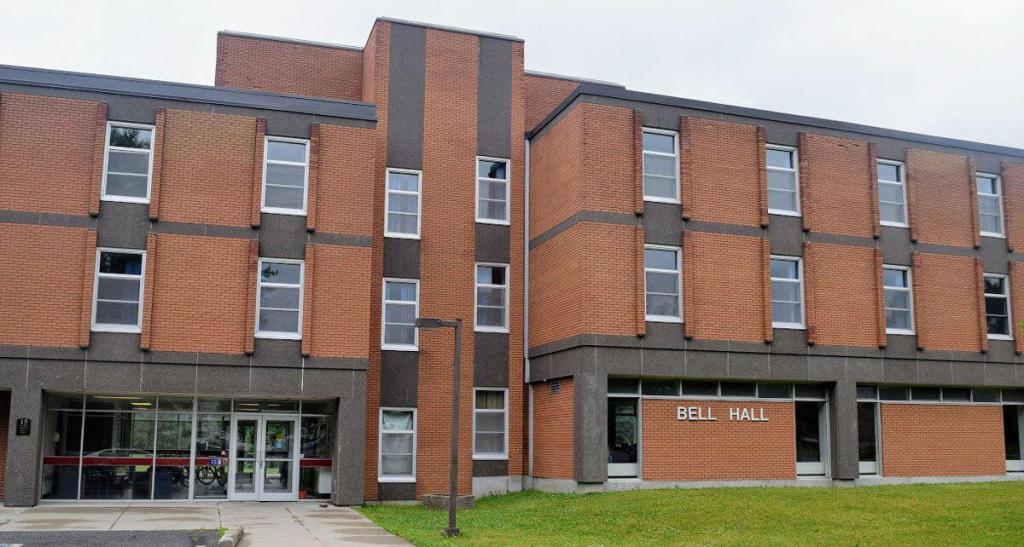

Building the Future: Kemptville’s Affordable Housing Vision

In communities across Canada, the housing crisis has become more than a policy debate, it’s a daily struggle. While costs rise and waitlists grow, the Municipality of North Grenville, just south of Ottawa, is offering a bold response. Its $25 million proposal to convert Bell Hall, a vacant dormitory on the Kemptville Campus, into more than 60 affordable rental units is both practical and symbolic, a microcosm of what’s possible when local governments lead.

The campus itself is a 630-acre hub of community, education, and sustainability activities. Once part of the University of Guelph’s agricultural network, it’s now owned by the municipality and governed by a 2021 master plan that prioritizes adaptive reuse, environmental responsibility, and deep community engagement. Bell Hall fits that vision precisely; a municipally owned, appropriately zoned, fully serviced building, already standing and waiting to be converted.

This is not a speculative plan. Developed over months with input from senior staff and not-for-profit partners, the Bell Hall project targets the real needs of North Grenville’s most vulnerable; seniors, veterans, and working families being priced out of their hometown. It offers not just housing, but stability, dignity, and a sense of belonging.

And yet, despite being shovel-ready, the proposal remains stalled in a growing backlog at the Canada Mortgage and Housing Corporation (CMHC). It’s a familiar story for municipalities across the country, many of whom are reporting delays due to limited federal processing capacity, particularly in underwriting. As federal priorities shift with the political winds, viable projects are left in limbo.

Mayor Nancy Peckford recently sounded the alarm in the Ottawa Citizen, arguing that the issue is not preferential treatment, but systemic inefficiency. Her call for transparency and faster turnaround is resonating with other small communities also ready to build. In an age where housing need is immediate, the logic is simple: when a plan meets all the criteria, and the groundwork is laid, it should move forward.

Some critics are suggesting that municipalities are just now “stepping up” on housing, but local governments have long managed zoning and development approvals. What’s new is the scale and pace of their engagement, assembling land, forming partnerships, applying for federal tools, and leading where senior governments lag.

North Grenville’s approach is part of a broader shift in small-town Canada, where pressures once confined to major cities are now spreading. The housing crisis isn’t urban anymore, it’s national. In this context, Bell Hall becomes more than a local project. It’s a test of the federal-municipal partnership that modern housing policy demands.

There’s also economic logic behind the urgency. A 2023 Deloitte report estimated that expanding community housing could add $70 billion to Canada’s GDP over five years. In places like Kemptville, where growth is manageable and materials can be sourced locally, the multiplier effects are significant with jobs, procurement, community stabilization, and reduced strain on health and social services.

And this is just one community. Rural municipalities across Eastern Ontario are facing similar challenges – aging populations, limited rental stock, and infrastructure that hasn’t kept pace. A regional alliance, or even a coordinated appeal, could elevate the urgency of rural housing and draw more attention to what’s at stake.

North Grenville is ready. Bell Hall is ready. The question is whether the federal system is ready to respond with the speed and seriousness the moment demands. If the next government wants to prove its commitment to housing, here is the perfect place to start.

The Ottawa Amalgamation Failure

The amalgamation of the 13 municipalities into the single-tier City of Ottawa in 2001 was touted as a transformative move. It was expected to streamline governance, reduce redundancy, and create financial efficiencies. Promises of improved municipal services and lower taxes were at the forefront of the pitch made by the Harris government in Ontario. However, in practice, the amalgamation has faced widespread criticism for its failure to fulfill these expectations. I worked as a member of a geospatial applications team to support evidence-based decision making during this transition, and it soon became clear that politics rather than data and community requirements was driving the bus. 

Improved Services
One of the primary promises of amalgamation was to standardize and enhance municipal services across all former municipalities. However, this promise has not been fully realized, particularly for rural and suburban areas, which have often felt left behind. Several key issues have been noted:

Prior to amalgamation, smaller municipalities had tailored services suited to their unique needs. Post-amalgamation, rural areas, such as West Carleton and Rideau-Goulbourn, have voiced concerns over reductions in services like road maintenance, snow clearing, and public transit availability. Urban-centric planning has often overshadowed rural priorities. Rather than simplifying governance, the larger bureaucratic structure of the amalgamated city has at times hindered efficient decision-making. Residents have reported delays in service delivery and inefficiencies in resolving local issues.

One of the most visible struggles has been with Ottawa’s public transit system, particularly with the Ottawa Light Rail Transit (LRT) project. This has been plagued by cost overruns, operational challenges, and inadequate service in suburban and rural areas. Residents question whether the amalgamated city’s centralization has exacerbated these issues.

Lower Taxes
Another major promise was the reduction of property taxes due to economies of scale and centralized administration. However, this has not materialized, and in many cases, taxes have increased. Many residents of rural and suburban areas have seen tax hikes without proportional improvements in services. Before amalgamation, smaller municipalities often operated with lower budgets and tax rates tailored to their limited scope. Amalgamation brought uniform tax rates, which disproportionately impacted these regions.

Amalgamation created unforeseen administrative and operational costs. For example, the integration of different IT systems, payroll structures, and service contracts has led to ballooning expenses. These costs have been passed on to residents through higher taxes. The perception that rural residents are subsidizing urban infrastructure projects, such as the LRT, has deepened dissatisfaction. Rural areas often feel they are paying higher taxes for services that primarily benefit the urban core.

Loss of Local Control
Another often-overlooked consequence of amalgamation has been the loss of local decision-making. Smaller municipalities had more control over their budgets, development priorities, and service delivery. Post-amalgamation, these decisions are centralized, often resulting in policies that do not reflect the needs of individual communities. This has alienated many residents and fostered distrust in the amalgamated city’s leadership.

Evaluation and Criticism
Critics argue that amalgamation prioritized financial theories over the realities of local governance. While some benefits of centralization, such as unified planning and a larger economic development strategy, have been achieved, the overall failure to deliver on improved services and lower taxes has undermined public confidence. Amalgamation’s implementation lacked sufficient consultation with residents and did not adequately address the diverse needs of Ottawa’s urban, suburban, and rural communities.

The amalgamation of Ottawa’s 13 municipalities was envisioned as a way to create efficiencies and deliver better services at lower costs. However, the reality has been far more complex, with significant gaps between promises and outcomes. The perceived failure to deliver on these promises has left many residents, particularly in rural and suburban areas, feeling underserved and overtaxed. This has sparked ongoing debates about whether the amalgamation truly benefited the diverse communities it was meant to unite or whether it simply centralized problems under a single, unwieldy structure.

Skates Over Seats: Why Ottawa Prefers the Rideau Canal to the Arena

Winterlude is here, and Ottawans, along with the tourists are really getting their money’s worth this year, with consistent sub-zero temperatures, smooth ice, and new food franchises.  This season’s festival clearly demonstrates that Ottawans would rather be out participating in activities, than sitting on uncomfortable plastic seats watching sports. 

Ottawa has plenty of things going for it—picturesque scenery, a high quality of life, and more civil servants per capita than just about anywhere else on the continent. But when it comes to sports culture, the capital falls a little flat. Yes, we have professional teams. We have the Senators in the NHL, the Redblacks in the CFL, and a handful of smaller franchises that do their best to keep the local sports scene lively. But despite all this, Ottawa just doesn’t have the rabid, all-consuming sports identity you find in places like Montreal or Toronto.

For starters, the fan engagement here is… conditional. When a team is winning, Ottawa can look like a real sports city. Remember the 2017 Senators playoff run? The entire town briefly got swept up in the excitement—until, of course, the next season, when attendance dropped faster than the team’s fortunes. This isn’t unique to hockey. The Redblacks won a Grey Cup in 2016, and for a brief, shining moment, the city actually seemed to care about the CFL. But before that? The league had already folded two Ottawa franchises due to lack of interest. If your city keeps losing football teams the way most people lose toques, it might not be a sports town.

Hockey is supposed to be the exception, but even that’s complicated here. The Senators have always struggled to build a truly devoted fanbase, and a big reason for that is simple—Ottawa is filled with Leafs and Habs fans. On any given game night at the Canadian Tire Centre, when Toronto or Montreal is in town, it’s just as likely to sound like an away game as a home one. There’s no other NHL city in Canada where this happens. Imagine walking into a Flames game in Calgary and seeing half the crowd decked out in Oilers jerseys. It would be unthinkable. In Ottawa, it’s just another Tuesday.

Part of the problem is that this is a government town. People move here for work, not because their great-grandfather was a Sens fan, and they were born to suffer through rebuilding seasons. There’s no blue-collar sports culture, no generational loyalty to a single team. The fanbase is a mixed bag, and when teams start to lose, the casual supporters disappear.

And if we’re being completely honest, Ottawans are more likely to be playing sports than watching them. Why sit in a half-empty stadium when you could be skating on the Rideau Canal, cross-country skiing in Gatineau Park, or cycling along the Ottawa River? The city’s recreational culture is strong—its spectator culture, not so much.

So yes, Ottawa has sports teams. But is it a sports town? Not really. It’s a town that tolerates sports, one that occasionally gets excited when a team does well, but quickly moves on when they don’t. The real energy here isn’t in the arenas or stadiums—it’s in the coffee shops, the outdoor trails, and, of course, in the never-ending debates over LRT failures and public service policies. And maybe that’s fine. Not every city needs to be a die-hard sports town. But let’s not pretend Ottawa is something it’s not.

Why Metrolinx Should Run Ottawa’s Broken LRT

Those of you who regularly read my blog, know that I am a huge advocate of public transport, and a critic of the Public Private Partnership developing and operating the capital’s Light Rail Transit (LRT). 

Ottawa’s LRT system has been a profound disappointment, a fiasco of engineering failures, political mismanagement, and corporate negligence. Years after its launch, the system remains unreliable, its reputation tarnished by derailments, service disruptions, and public distrust. City officials, despite their best efforts, have failed to restore confidence or implement meaningful reforms. Given this ongoing dysfunction, it is time to consider a serious alternative: uploading the LRT to Metrolinx. A provincial takeover would bring in the expertise, resources, and oversight that Ottawa desperately needs while alleviating the financial strain on local taxpayers.

Metrolinx, despite its own challenges, has experience managing large-scale transit projects across Ontario. The agency has delivered rapid transit systems, expanded GO Transit, and led infrastructure projects that dwarf Ottawa’s troubled LRT. Unlike the City of Ottawa, which has been hamstrung by political infighting and bureaucratic inertia, Metrolinx operates with a broader provincial mandate and access to significantly greater funding. The province already has an interest in ensuring that Ottawa’s transit system is functional—after all, a well-run capital city benefits all Ontarians. Entrusting the LRT to Metrolinx would align Ottawa’s transit with the province’s long-term infrastructure planning, creating opportunities for better integration with intercity rail and bus services.

Financially, the benefits of provincial control are obvious. The LRT has drained Ottawa’s municipal budget, diverting funds away from other pressing priorities such as road maintenance, affordable housing, and social services. The city cannot afford to keep throwing money at a broken system while simultaneously planning for future expansions. If Metrolinx were to assume responsibility, the province would take on a greater share of the financial burden, allowing Ottawa to focus on local transit improvements that fall outside the LRT’s scope. This would not be an unprecedented move—Queen’s Park has already taken over major transit infrastructure in Toronto, such as the subway expansion projects, recognizing that municipal governments simply do not have the fiscal capacity to manage billion-dollar projects alone.

Of course, critics will argue that surrendering local control means sacrificing accountability. But let’s be honest: Ottawa’s local control has not served residents well. The city’s handling of the LRT has been defined by secrecy, questionable decision-making, and a lack of transparency. The provincial government, for all its faults, at least has the ability to intervene decisively when things go wrong. Under Metrolinx, operational standards would be enforced with greater rigor, and the pressure to deliver a functional transit system would be far greater than what we’ve seen from Ottawa City Hall. The public inquiry into the LRT debacle revealed a municipal government that was overwhelmed and, at times, complicit in its own failures. Perhaps it is time to let a more competent player take the lead.

This is not to say that Metrolinx is perfect. The agency has faced its own share of controversies, from cost overruns to delayed projects. But at least it has experience dealing with transit systems on a scale far larger than Ottawa’s. Unlike Ottawa’s municipal government, Metrolinx has the ability to negotiate directly with major infrastructure firms, access provincial funding streams, and bring in technical expertise that the city simply lacks. A takeover would not magically fix everything overnight, but it would place the LRT in the hands of those who at least know how to run a transit system.

The reality is that Ottawa’s LRT is beyond the city’s ability to fix on its own. Metrolinx, with its provincial backing and infrastructure expertise, offers the best hope for a reliable and efficient transit system. Ottawa residents deserve better than what they’ve been given. If that means surrendering local control to get a working train system, then so be it. The LRT was meant to be a transformative project for the city. If Ottawa cannot deliver on that promise, then it’s time to let Queen’s Park step in and do the job properly.