Canada’s Liberal-NDP Merger: A Progressive Dream or a Political Quagmire?

Every now and then, someone floats the idea of merging Canada’s Liberals and New Democratic Party (NDP) as a grand strategy to hold back the Conservative tide. It’s a tantalizing thought for progressives who dread another Conservative government, but as any political historian—or an amused observer—will tell you, forcing together two uneasy dance partners doesn’t always end in harmony. In fact, it can lead to a faceplant on the ballroom floor, as history (and the UK) has shown us.

Take the UK’s attempt at uniting progressive forces in the 1980s as a cautionary tale. Back then, the Liberals teamed up with the Social Democratic Party (SDP) to form what they hoped would be a powerhouse against Margaret Thatcher’s Conservative juggernaut. Instead, they got an ideological soup that pleased no one and left their supporters scratching their heads. By the time the merged Liberal Democrats limped onto the political stage, they were largely ignored by the very voters they aimed to court. Canada’s Liberals and NDP might want to bookmark that chapter of history before drafting any unity agreements.

The fundamental issue? Ideological oil and water. Canada’s Liberals like to keep one foot in the progressive camp while the other tiptoes toward fiscal centrism. They’re the party for the moderates, the suburban professionals, and anyone vaguely uneasy about extremes. The NDP, on the other hand, marches proudly leftward, waving banners for labor rights, universal pharmacare, and wealth redistribution. Combining these two could be like trying to blend craft beer and boxed wine: you risk alienating both audiences.

Polling numbers don’t paint a rosy picture either. A 2023 Research Co. survey found that just 36% of Canadians support a Liberal-NDP merger, with a solid 50% giving it the thumbs-down. Among NDP voters, enthusiasm drops even lower, showing just how fiercely they guard their party’s distinctiveness. It’s like asking a die-hard jazz fan to embrace bubblegum pop—there’s just no groove there.

And what about the supposed electoral benefits? Advocates argue that combining forces would consolidate the center-left vote, preventing Conservative majorities. But the numbers don’t back up the optimism. The same poll shows a merged party would still trail the Conservatives, 36% to 42%. Worse, this deficit is glaring in battleground provinces like Ontario and British Columbia. A merger may sound good in theory, but in practice, it could hand the Conservatives more ammunition than a month of attack ads.

There’s also the issue of political accountability. One of the perks of having separate parties is that they challenge each other on issues like climate policy, housing, and economic justice. The Liberals and NDP keep each other sharp, offering Canadians a buffet of progressive options. A merger could water down this diversity, leaving the political discourse thinner and less satisfying than a watered-down latte. The UK’s experience serves as a warning here too: when the Liberal Democrats lost their distinctiveness, the Conservatives took the stage unopposed, with Labour left trying to reclaim its footing.

So, what’s the alternative? Strategic collaboration. Think of it as political co-parenting: the Liberals and NDP could team up temporarily to block Conservative majorities without tying the knot. This lets them work together on shared goals—whether it’s climate action or affordable housing—while staying true to their individual identities. It’s not as flashy as a full merger, but it’s far less likely to spark the kind of buyer’s remorse that sends voters running for the exits.

In the end, merging the Liberals and NDP may sound like a clever way to fend off the Conservatives, but history and logic suggest otherwise. Canada’s political left would do well to heed the lessons of the UK: sometimes, it’s better to keep the band together than to attempt a fusion album no one asked for. Strategic partnerships, not forced marriages, are the way to keep progressive politics vibrant and competitive in Canada. Let the Liberals be the pragmatists, the NDP the idealists, and voters the beneficiaries of a lively, diverse political landscape.

Justin Trudeau’s Legacy: A Leader of Bold Aspirations and Imperfect Progress

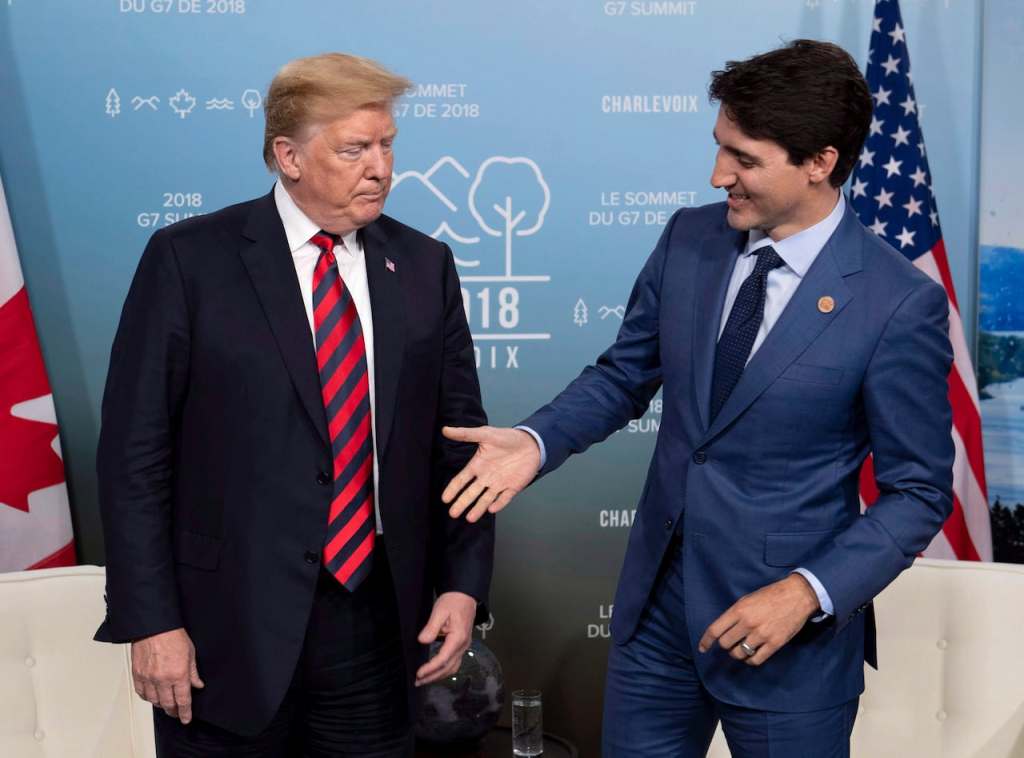
I have been working on this post for a while, as soon as it became clear that Justin Trudeau would be resigning. I don’t normally publish pieces this long, but I found that I needed this length to enable me to even just skim the surface of how this man transformed Canada as a nation, and its standing in the world. For me, his biggest failure was not reforming Canada’s federal election system after he vowed that the 2015 process would be the last conducted under the first past the post model. However, it soon became clear that the party’s backroom boys, and many newly minted MPs had other priorities, and so his government abandoned the pledge in 2017, disappointing advocates for electoral reform and leaving a key campaign promise unfulfilled.

Justin Trudeau’s tenure as Canada’s 23rd Prime Minister is a legacy of contradictions: one of bold progressive achievements, and high-profile missteps, of inspiring rhetoric and underwhelming follow-through. While his time in office has left the country more inclusive and forward-looking in many ways, it has also been marked by challenges and controversies that complicate the narrative of his leadership. Viewed holistically, Trudeau’s legacy is one of meaningful but imperfect progress – an era defined by a mixture of transformative change and opportunities missed.

Economically, Trudeau’s record is more complex. Programs like the Canada Child Benefit significantly reduced child poverty, providing direct financial relief to families and underscoring his government’s focus on middle-class Canadians. His investments in infrastructure and housing created jobs and spurred economic growth. However, these initiatives came at the cost of mounting deficits and an increased national debt, raising questions about long-term fiscal sustainability. Critics argue that his government’s policies failed to adequately address systemic issues such as housing affordability, which worsened during his tenure. Rising home prices left many young Canadians struggling to enter the housing market, highlighting a gap between Trudeau’s promises and tangible results. While his economic agenda was ambitious, it often struggled to balance short-term relief with long-term stability.

One of the most enduring aspects of Trudeau’s legacy is his commitment to diversity and inclusion. From the outset, he reshaped the face of Canadian politics with his historic, gender-balanced cabinet that included individuals from a variety of racial, religious, and cultural backgrounds. His reasoning – “Because it’s 2015” – became a shorthand for Canada’s progressive aspirations on the global stage. By elevating underrepresented voices, Trudeau sought to ensure that Canada’s leadership reflected its diverse population, signaling a renewed commitment to multiculturalism at a time when many countries were turning inward. This emphasis on inclusion not only bolstered Canada’s international reputation but also helped inspire a new generation of Canadians to see politics as a space for all.

Climate change was one of the defining issues of Trudeau’s leadership, and his government made significant strides in this area. The implementation of a nationwide carbon pricing system positioned Canada as a global leader in climate policy, reinforcing the country’s commitment to the Paris Agreement. Yet, this progress was undermined by the government’s purchase of the Trans Mountain Pipeline, which angered environmental advocates and Indigenous communities. Trudeau’s attempt to balance environmental goals with the economic realities of a resource-driven economy often left both sides dissatisfied. Nevertheless, his climate policies laid the groundwork for Canada’s transition to a more sustainable future, even if they were not without contradictions.

Trudeau’s relationship with Indigenous communities represents another area of mixed results. He made reconciliation a central theme of his leadership, offering apologies for historical injustices and pledging to address long-standing inequities. His government made progress on some fronts, such as lifting long-standing boil-water advisories in many Indigenous communities. However, significant gaps remained, particularly in addressing land rights and implementing the Truth and Reconciliation Commission’s calls to action. Many Indigenous leaders criticized the slow pace of change, arguing that Trudeau’s symbolic gestures often failed to translate into substantive action. While his efforts were genuine, they were frequently insufficient to meet the scale of the challenges at hand.

Ethics and accountability proved to be persistent weak points in Trudeau’s leadership. The SNC-Lavalin affair and the WE Charity scandal highlighted a troubling pattern of ethical lapses that undermined public trust. In both cases, Trudeau faced accusations of placing political interests above transparency and accountability. These controversies tarnished his image as a champion of ethical governance, leaving a stain on his record that cannot be ignored.

Yet, even amid these challenges, Trudeau’s ability to connect with Canadians on a personal level remained one of his greatest strengths. Whether marching in Pride parades, hosting town halls, or addressing the nation during the COVID-19 pandemic, he demonstrated an empathy and accessibility that set him apart from many of his predecessors. His optimism and charisma helped re-energize Canadian politics, particularly among younger voters, who saw in him a leader who genuinely cared about their concerns. While his leadership style occasionally veered toward the performative, it also reflected a deep understanding of the importance of symbolism in shaping national identity.

Ultimately, Trudeau’s legacy is one of imperfect but meaningful progress. His government advanced diversity, economic support for families, and climate action, while grappling with the realities of governance in a polarized and rapidly changing world. His tenure was far from flawless, marred by ethical lapses, unfulfilled promises, and the challenges of balancing competing priorities. However, his vision for a more inclusive, progressive, and globally engaged Canada resonated with millions and left an indelible mark on the country’s political landscape.

Justin Trudeau’s time as Prime Minister will likely be remembered not for perfection, but for aspiration. He sought to push Canada forward in ways that reflected its highest ideals, even if he sometimes fell short. For all the controversies and compromises, his leadership ushered in an era that redefined what Canada could stand for on the world stage: diversity, progress, and hope.

American Strategy or Political Posturing? 

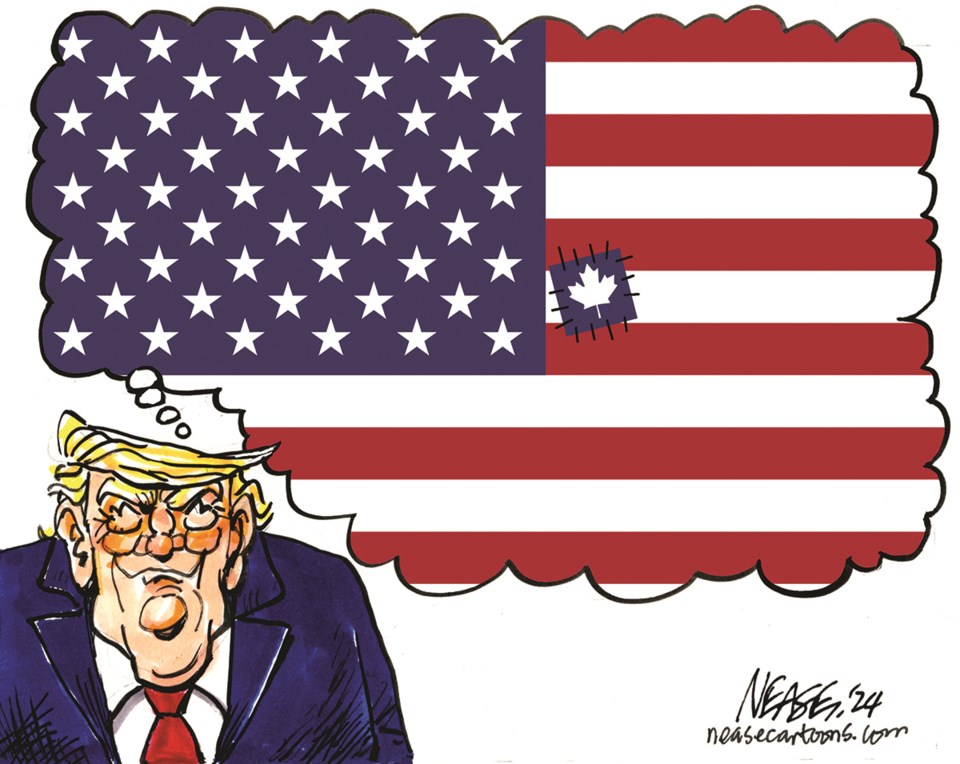
President-elect Donald Trump’s recent comments regarding the Panama Canal, Greenland, Canada, and Iceland have ignited a firestorm of international debate, raising eyebrows across diplomatic circles. Trump’s proposals, which include retaking control of the Panama Canal, purchasing Greenland, and annexing Canada as the 51st state, reflect his “America First” doctrine in its most assertive form. While such rhetoric underscores his ambition to reassert U.S. dominance, it also risks fracturing relationships with allies and reshaping global perceptions of American foreign policy.

At the heart of Trump’s statements lies a vision of expanding U.S. territorial and geopolitical influence. Proposals to acquire territories such as Greenland and Canada would, if realized, redefine America’s strategic footprint. Greenland, with its vast natural resources and critical position in the Arctic, is becoming increasingly vital as climate change opens new shipping routes and untapped reserves of oil, gas, and minerals. Canada, on the other hand, represents an economic and security powerhouse whose integration into the U.S. would consolidate North America into a unified bloc of unparalleled power. While such aspirations might seem fantastical, they align with Trump’s broader ethos of maximizing U.S. leverage on the world stage.

The Panama Canal, another focal point of Trump’s vision, underscores the strategic underpinnings of his proposals. As one of the world’s most vital maritime corridors, the canal serves as a lifeline for global trade, connecting the Atlantic and Pacific Oceans. Regaining control over the canal would enable the U.S. to secure a critical chokepoint in global logistics, ensuring that it serves American economic and military interests. Reclaiming the canal would send a strong message to rival powers, particularly China, whose investments and influence in Latin America have challenged traditional U.S. dominance in the region.

These territorial aspirations can also be interpreted as an attempt to counter Beijing’s growing reach. China’s Belt and Road Initiative and its economic entrenchment in Latin America have heightened concerns in Washington about losing influence in its own hemisphere. By floating the idea of reclaiming the Panama Canal or acquiring new territories, Trump may be signaling a broader strategy to curb China’s ambitions and reaffirm America’s primacy in key geopolitical arenas.

However, these bold declarations have not gone unchallenged. Greenland’s Prime Minister, Múte Egede, quickly dismissed any notion of selling Greenland, calling it an absurd proposal that undermines their sovereignty. In Panama, leaders have emphatically rejected the idea of relinquishing control over the canal, asserting their independence and national pride. Canadian officials, too, have categorically rebuffed Trump’s suggestion of annexation, with some labeling the proposal as both outlandish and offensive. The immediate backlash from these nations highlights the deep diplomatic hurdles that such propositions would face.

Critics argue that Trump’s rhetoric is less about actionable policy and more about playing to his domestic audience. By projecting strength and ambition, he may be attempting to solidify support among his base, which has long embraced his unapologetically nationalistic vision. Yet this approach carries significant risks. Alienating allies, undermining international norms, and sparking diplomatic tensions could damage America’s global standing and limit its ability to build coalitions in an increasingly multipolar world.

Ultimately, Trump’s comments raise questions about the balance between ambition and realism in U.S. foreign policy. While his proposals underscore a desire to redefine America’s role on the world stage, the practical and political barriers to their implementation are immense. The overwhelming opposition from the international community suggests that such ideas, even if pursued, would face insurmountable resistance. Whether these statements reflect genuine intentions or are merely provocative rhetoric, they offer a window into the polarizing and unpredictable foreign policy approach that could define the Trump era

Is USA a Fascist State Struggling with Democracy? 

Is America flirting with fascism, or are such claims the product of alarmist hyperbole? It’s a question that divides dinner tables, social media feeds, and even academic circles. Some argue that the United States is a democracy fighting for its soul; others see it as a country standing perilously close to authoritarian rule. But to call America fascist – or even on the road to it – requires a careful unpacking of what fascism truly entails, and how it might resonate within the American political landscape.

Let’s be clear: fascism isn’t a vague insult for policies we don’t like. It’s an authoritarian ideology with specific hallmarks. Think Mussolini’s Italy, Hitler’s Germany – regimes steeped in violent nationalism, the suppression of dissent, and a drive to create a monolithic cultural identity. Robert Paxton, one of the leading scholars on the subject, described fascism as thriving on crises, exalting the group over the individual, and depending on a strong leader to restore a supposedly decaying nation. So, how does America stack up against these criteria? Let’s dig deeper.

Nationalism and Authoritarian Rhetoric
Nationalism is the drumbeat of every fascist regime, and it’s undeniable that America has had its moments of chest-thumping pride. But the “America First” rhetoric of recent years has pushed nationalism to a different level, stirring debate about its compatibility with democratic ideals. Take the Trump administration, where slogans like “Make America Great Again” dovetailed with a barrage of attacks on immigrants, minorities, and even the democratic process itself. Muslim travel bans, family separation policies at the southern border, and the vilification of immigrants as existential threats bear a troubling resemblance to the exclusionary policies of fascist regimes.

And then there’s the attack on the press—“the enemy of the people,” as Trump called it. Fascism thrives on controlling narratives, suppressing inconvenient truths, and manufacturing enemies to unite the populace. These tactics were echoed in efforts to discredit media outlets, undermine trust in elections, and dismiss dissenting voices. While America still enjoys a free press and opposition parties, these tactics are red flags in any democracy.

Civil Liberties Under Pressure
A free society requires robust protections for civil liberties, yet the U.S. has shown cracks in its foundation. Think about the use of force against peaceful protesters during the George Floyd demonstrations, or the revelations of mass surveillance by whistleblower Edward Snowden. Then there are laws in certain states aimed at curbing protests – an unsettling echo of fascist regimes that treated dissent as treason.

Still, America hasn’t crossed the line into wholesale repression. Dissent exists, opposition thrives, and courtrooms regularly challenge abuses of power. These are democratic lifelines, but they must be safeguarded vigilantly.

Corporate Power and Economic Control
Fascism often entails a symbiotic relationship between the state and corporations, where economic power is wielded for nationalist purposes. In America, the government doesn’t control corporations outright, but the influence of corporate money in politics is undeniable. Lobbying, dark money in elections, and the revolving door between big business and government raise questions about whether democracy is being eroded by oligarchic forces.

Economic inequality is another point of tension. Policies favoring the wealthy over the working class may not fit the fascist mold exactly, but they exacerbate social divisions, fueling the kind of crises that fascism preys upon.

Racial and Cultural Tensions
A defining feature of fascism is the enforcement of a singular racial or cultural identity, often to the detriment of minorities. The U.S. has a long history of systemic racism, from slavery and segregation to redlining and mass incarceration. Contemporary issues – like police brutality and racial inequality – continue to expose deep wounds in the fabric of American democracy.

White nationalist groups, emboldened in recent years, represent another disturbing trend. The normalization of their rhetoric in certain political spaces harks back to fascist tendencies to scapegoat minorities for societal woes. Yet, these groups remain fringe elements rather than central powers, and their rise has been met with strong opposition from civil society.

America’s Democratic Struggle
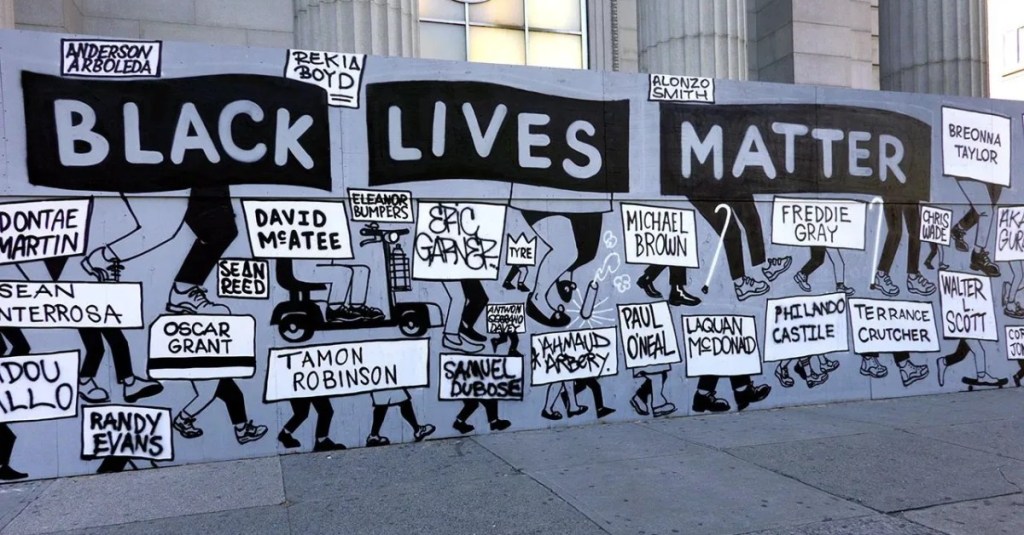
Despite these troubling signs, it would be a mistake to paint America as fully fascist. The U.S. retains institutions that fascist regimes dismantle: a separation of powers, an independent judiciary, and regular elections. Social movements – from Black Lives Matter to grassroots environmental campaigns – demonstrate that the democratic spirit is alive and well.

America’s story is not one of fascism triumphant, but of democracy under pressure. Its history is riddled with contradictions, from its founding on ideals of liberty while maintaining slavery, to its championing of free speech while tolerating systemic inequality. Yet, those contradictions are precisely why it remains a battleground for change.

So, Is America Fascist?
Not yet – and perhaps not even close. But the warning signs are there. The flirtation with authoritarianism, the normalization of exclusionary rhetoric, and the entrenchment of corporate influence all demand vigilance. America isn’t Mussolini’s Italy or Hitler’s Germany, but it is a nation grappling with the forces that could pull it in that direction. The question isn’t just “Is America fascist?” – it’s “What are we doing to ensure it never becomes so?”

Americans must keep democracy’s flame alive by holding power to account, protecting civil liberties, and fighting for the inclusive ideals the country was built on. After all, democracy isn’t just a system – it’s a struggle. And that struggle is theirs to win.

Please, Not Another Old White Male Academic

The Canadian Liberal Party finds itself at a crossroads, staring down the barrel of declining voter support, a fractured image, and leadership fatigue. Recent polling paints a grim picture for the governing party. According to a Nanos Research poll from November 2024, the Conservatives are riding high with 41% support, compared to the Liberals’ dismal 23%, while the NDP trails just behind at 20%. Similarly, an Abacus Data poll reveals an equally bleak scenario, with the Conservatives holding a commanding 22-point lead. For a party that once dominated Canadian politics, the question isn’t just about how to bounce back—it’s about survival.

The Curse of Intellectual Leadership
The Liberals’ current predicament has parallels to their past missteps. Two glaring examples—Stéphane Dion and Michael Ignatieff—serve as cautionary tales about the dangers of picking leaders who, while intellectually formidable, fail to connect with voters on a human level.

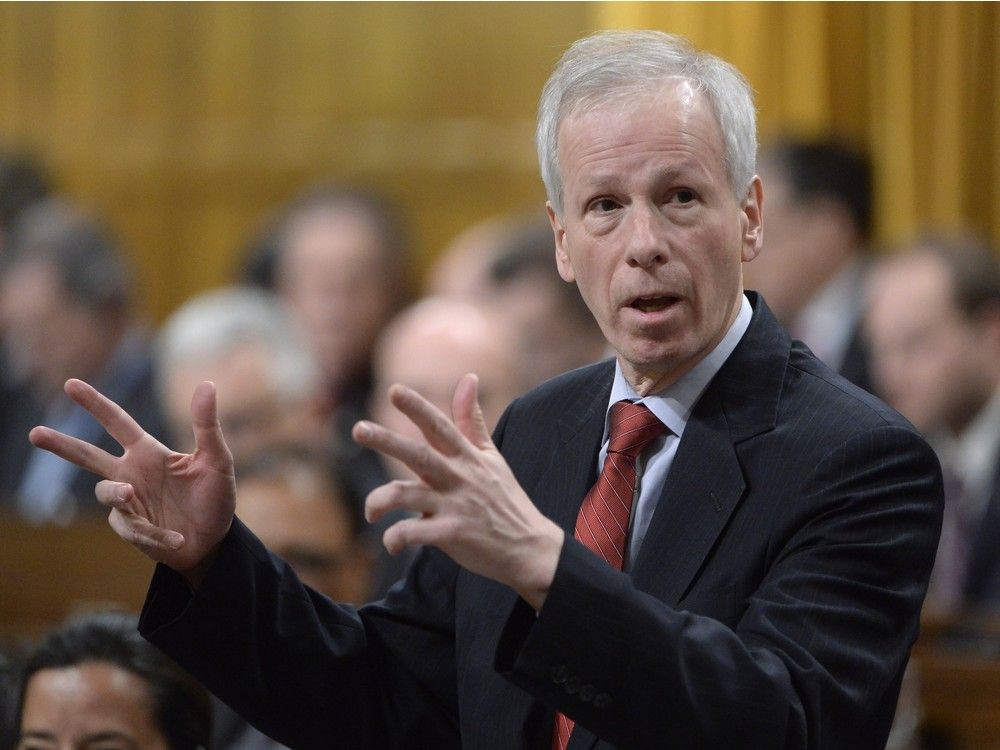
In 2006, the Liberals turned to Stéphane Dion, an academic and policy wonk with a passion for climate change. Dion’s “Green Shift” plan was ambitious, but lacked the messaging needed to win over Canadians worried about the economy. In the 2008 election, the party was hammered, falling to just 77 seats and 26.3% of the popular vote. Dion’s perceived aloofness, and inability to inspire confidence left the Liberals weak and divided, opening the door for Stephen Harper’s Conservatives to consolidate power.

The Liberals repeated this mistake with Michael Ignatieff, an accomplished academic and author, in 2008. Despite his intellectual prowess, Ignatieff struggled to shake the perception that he was a carpetbagger disconnected from the concerns of average Canadians. In the 2011 election, the party collapsed, capturing a mere 18.9% of the vote and just 34 seats—the worst performance in Liberal history. For the first time, the Liberals were relegated to third-party status, a stunning fall for Canada’s so-called “natural governing party.”

The Liberal Dilemma in 2025
Fast forward to today, and the Liberals seem poised to repeat history. With Justin Trudeau’s star power fading after nearly a decade in office, there is a real risk that the party might turn to yet another “safe” choice—a figure who mirrors the old archetype of a white male intellectual, disconnected from the realities of modern Canada. But the Canada of 2025 isn’t the Canada of 2006 or 2011. Demographics have shifted, and so have voter priorities.

Canada is now more diverse than ever. Over a quarter of the population identifies as part of a racialized group, and millennials and Gen Z make up the largest voting blocs. These voters expect leaders who reflect their lived experiences—not just in terms of identity but also in terms of relatable policies and vision. A leader who represents “business as usual” risks alienating not only racialized communities but also younger, progressive Canadians who are increasingly drawn to the NDP or Greens.

Recent polling reflects this growing discontent. The Liberals are hemorrhaging support to both the Conservatives and the NDP, with voters fed up with Trudeau’s perceived failures on affordability, housing, and climate action. Even Liberal loyalists are looking for something—or someone—new to rekindle their enthusiasm.

What the Liberals Need Now
The Liberals must understand that leadership is as much about identity and relatability as it is about policy and experience. A leader who embodies the diversity of Canada, speaks to the struggles of everyday people, and offers a compelling vision for the future could galvanize the party’s base and attract disillusioned voters. In contrast, opting for another “old white academic” risks reinforcing the image of a party out of touch with 21st-century Canada.

The successes of other leaders offer lessons. Jagmeet Singh’s historic leadership of the NDP has drawn younger and more diverse voters to his party, even if they haven’t translated into electoral dominance. Meanwhile, Pierre Poilievre has managed to connect with younger Conservatives through his populist messaging on affordability and housing.

The stakes for the Liberals couldn’t be higher. If they fail to read the room and make a bold choice, they risk not just losing the next election but fading into irrelevance altogether. As Dion and Ignatieff’s defeats demonstrated, intellectual credentials alone don’t win elections. Representation, relatability, and vision do.

For the Liberals, the time for reinvention is now—or never.

Replacing Canada’s Aging Submarine Fleet

Canada is currently debating whether to invest in a new fleet of submarines to replace its aging Victoria-class vessels, which were purchased second-hand from the United Kingdom in the 1990s. These submarines, while functional, are nearing the end of their service life and face increasing maintenance challenges.

With Canada’s Arctic becoming more geopolitically significant due to climate change, which is opening new shipping lanes and increasing resource exploration; submarines capable of operating under ice are crucial for maintaining sovereignty in this region. Without them, Canada risks falling behind nations like Russia and the United States, which have invested heavily in Arctic-capable fleets.

Modern submarines, such as those with Air Independent Propulsion (AIP) or nuclear capabilities, offer enhanced endurance, stealth, and operational flexibility compared to the diesel-electric Victoria-class. Investing in these technologies would modernize Canada’s navy and ensure operational relevance.

The German Type 212CD (Common Design) submarine, developed by ThyssenKrupp Marine Systems, represents a modern and highly capable class of diesel-electric submarines with Air Independent Propulsion (AIP). These submarines are designed for stealth, endurance, and multi-role capabilities, and as a NATO platform, the Type 212CD would seamlessly integrate with allied operations, thus strengthening Canada’s contributions to NATO’s underwater defense network. Germany has a proven track record of delivering submarines on time and within budget. Partnering with an experienced supplier like ThyssenKrupp could help Canada avoid some of the delays and cost overruns seen in its previous defense procurement projects.

The operational performance of the Type 212CD remains speculative until it enters service. However, the proven track record of the Type 212A, combined with the extensive research and development efforts behind the CD variant, suggests it will be a reliable and capable platform for NATO-aligned navies.

With Canada’s “Sea to Sea to Sea” responsibilities, they really need a fleet of nine boats (operations, training, maintenance), but I think they would likely procure six over a decade timeframe. Ultimately, the decision will hinge on Canada’s strategic priorities, financial constraints, and Arctic sovereignty goals. If Canada prioritizes cost-efficiency and rapid acquisition, the Type 212CD could emerge as a leading choice, provided it meets specific Arctic and endurance requirements. 

Is Ford Coming for Poilievre? 

The idea that Ontario Premier Doug Ford may be positioning himself as a future contender for the leadership of the federal Conservative Party – and ultimately the role of Prime Minister – is worth serious consideration, especially given Ford’s political trajectory and unique approach to conservatism.

Ford’s Political Ambition
Doug Ford has consistently demonstrated a knack for navigating and surviving in the political spotlight. As Premier of Ontario, Ford has carefully cultivated a “common man” image, appealing to a broad swath of voters, including blue-collar workers and suburban families – key demographics for any federal election. His brand of conservatism is less ideologically rigid than Pierre Poilievre’s; Ford focuses on pragmatism and populist messaging, which could make him a strong contender in federal politics.

While Ford has repeatedly stated he is focused on Ontario, his actions suggest he is not averse to expanding his influence. His willingness to work with Prime Minister Justin Trudeau on infrastructure projects and economic initiatives may be positioning him as a centrist alternative to Poilievre’s more hardline, ideological approach. This strategy could help Ford appeal to swing voters in urban areas and ridings that Poilievre might struggle to win.

Tensions with Poilievre
Ford and Poilievre’s relationship has been notably distant. Ford has avoided openly endorsing Poilievre or closely aligning with him, even during the latter’s rise to federal Conservative leadership. This distance hints at a potential rivalry, or at the very least, an unwillingness to be overshadowed by Poilievre on the national stage.

Poilievre’s leadership style, which leans heavily on ideological conservatism and combative rhetoric, may alienate moderate voters – a gap Ford could exploit. Ford’s track record of winning elections in a diverse province like Ontario demonstrates his ability to bridge divides and appeal to a broader electorate, including centrists who might find Poilievre’s approach too polarizing.

Ontario, the Powerhouse of Canadian Politics 
Historically, Ontarians have shown a preference for balancing power between provincial and federal governments, often avoiding having the same political party in charge at both levels. This dynamic could spell trouble for Doug Ford if Pierre Poilievre’s federal Conservatives win the next election. A federal Conservative victory might shift Ontario voters toward the provincial Liberals or NDP in an effort to counterbalance federal policies, particularly if there is dissatisfaction with Conservative governance nationally. Ford’s political calculus must account for this trend, as maintaining his grip on Ontario could become significantly more challenging with a Conservative government in Ottawa. This precarious balance might also incentivize Ford to consider a move to federal politics, especially if he perceives his provincial support waning.

While Ford has not explicitly declared any federal ambitions, the possibility that he could eventually seek Pierre Poilievre’s job cannot be dismissed. His pragmatic approach to conservatism, ability to appeal to diverse voters, and political survival instincts make him a viable alternative for a party looking to broaden its appeal. Whether by design or by opportunity, Ford may very well see himself as Canada’s next Conservative Prime Minister-in-waiting.

Trump’s Transparent Bullying Tactics hold Real Menace  

Donald Trump’s suggestion that Canada could become the 51st state not only reveals a lack of understanding of Canadian sovereignty and identity, but also exposes a broader motivation; the United States’ desire to access Canada’s vast natural resources. Canada is rich in essential resources like fresh water, minerals, oil, and lumber, all of which are increasingly valuable as global demand rises and environmental pressures grow.

Fresh water, in particular, has become a critical resource as many U.S. states face drought and water scarcity. Canada holds about 20% of the world’s freshwater supply, making it an attractive target for U.S. interests. Similarly, Canada’s mineral wealth, including critical minerals like nickel, lithium, and cobalt used in renewable energy technologies, is vital for the U.S. as it seeks to secure supply chains for its green economy. Lumber from Canada’s vast forests has also long been a point of contention, with ongoing trade disputes reflecting the U.S.’s reliance on Canadian wood for construction and manufacturing.

Trump’s suggestion disregards over 150 years of Canadian self-governance, and the deep cultural and political differences between the two nations. Canadians take immense pride in their independence, multicultural heritage, and distinct political system, which are starkly different from those of the U.S. Such remarks alienate an important ally, ignore history and diplomacy, and trivialize the unique relationship between the two countries.

Ultimately, this kind of rhetoric attempts to undermine Canada’s sovereignty, and risks being perceived as a veiled attempt to exploit its natural wealth, rather than as a serious or respectful political proposition. It underscores a broader need for Canada to remain vigilant in safeguarding its resources and asserting its independence on the global stage.

Elon Musk as Speaker of the House? A Fascinating, but Unlikely Scenario

I was just discussing the failed spending bill vote in the House of Representatives with a U.S. acquaintance, and they brought up the possibility of Elon Musk becoming Speaker of the House.  As surprising as this idea might be, it is technically feasible, although surely, highly unlikely? While the Constitution does not require the Speaker to be a sitting member, every Speaker since the role’s creation in 1789 has been an elected representative, and even if Musk was nominated he would still have to receive a majority vote in the House of Representatives.

While this rule opens the door for unconventional candidates, the reality of such a scenario is much more complex. The role of Speaker demands a deep understanding of legislative processes, the ability to manage the intricate dynamics of Congress, and the capacity to build coalitions across a divided political body. Musk, while an innovative entrepreneur, lacks the political and legislative experience traditionally associated with the position.

Even if Donald Trump, or another prominent Republican were to propose Musk as a candidate, achieving majority support would be a monumental task. The House is already deeply divided along partisan lines, and the idea of electing a non-politician to such a critical role would likely face significant resistance from both parties. Additionally, Musk’s outspoken and often polarizing public persona could further complicate efforts to secure widespread support.

Perhaps this is the ultimate FAFO?

Update
Just as I post this short piece, I see that a number of prominent GOP members are being reported as supporting the notion of Musk as Speaker. Representative Marjorie Taylor Greene of Georgia and Senator Rand Paul of Kentucky seem to think it’s a good idea, so I will sit back and enjoy the show.

Limitarianism – A Balanced Way Forward 

With the US oligarchy taking over the White House next year, it’s time to look at what we need to develop to counter the mess and the broken economy they will leave post-Trump’s presidency. Philosopher Ingrid Robeyns, a leading proponent of limitarianism, argues that beyond a certain threshold, wealth does not significantly improve individual well-being, and may cause harm to others by perpetuating inequality and reducing collective welfare. While not a new idea, with historical thinkers such as Plato and JP Morgan espousing similar concepts, perhaps it times to further explore limitarianism.

Limitarianism is a philosophical and political concept that advocates setting limits on individual/family wealth to promote social equality, reduce harm caused by extreme wealth accumulation, and ensure fair distribution of resources. It is rooted in ethical considerations about justice, sufficiency, human welfare, and a sustainable environment. 

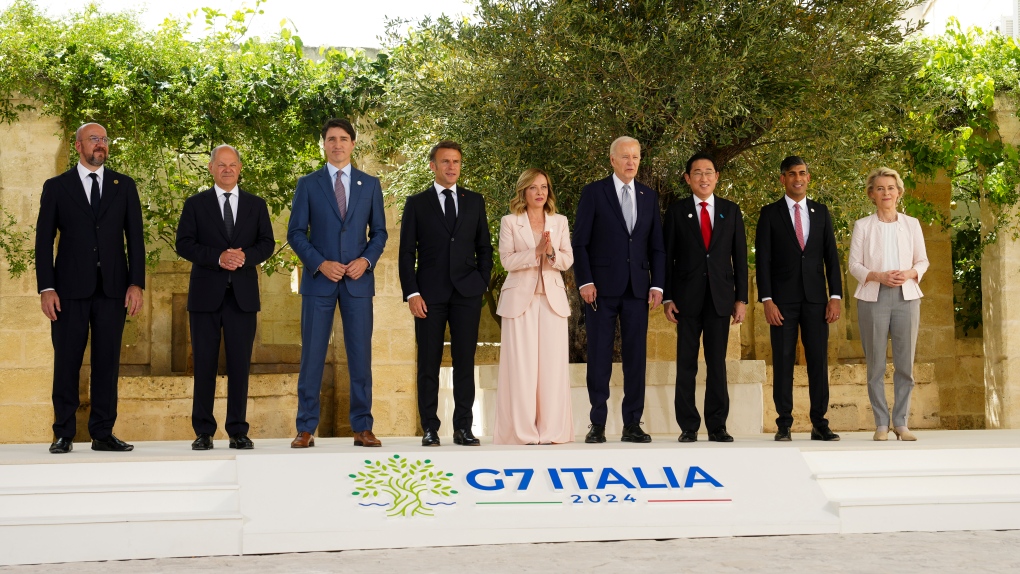
The philosophy suggests that extreme wealth is morally problematic, especially in societies where poverty and inequality persist. Excess wealth could be better used to address social issues like hunger, education, or healthcare. The accumulation of excessive wealth can lead to an imbalance of power, undermining democratic institutions. Wealthy individuals may exert disproportionate influence over political systems, media, and public policies. How many times have we seen this in western-style G7 democracies in recent years, where the right do everything they can to protect their wealth and power, while working people can’t pay for the basics of housing, food and transportation? 

Supporters of limitarianism argue for changes in taxation on income, inheritance, and wealth to cap extreme fortunes, along with a redistribution of excess wealth to fund programs like Universal Basic Income (UBI), ensuring a safety net for all citizens. Critics argue that wealth limits could stifle innovation, entrepreneurship, and economic growth, while curtailing personal liberties, and especially the right to accumulate multi-generational wealth.

While enforcing wealth caps, and managing global disparities in wealth distribution can be challenging in practice, limitarianism is gaining traction in debates on wealth inequality, especially in light of growing disparities between the ultra-rich and the rest of society. Movements advocating for wealth taxes and income redistribution often draw from limitarian principles to challenge the concentration of wealth and power.

As a leading advocate for limitarianism, Robeyns argues that extreme wealth is both unethical and harmful to democracy. She proposes a wealth cap of approximately €10 million, emphasizing that any surplus beyond what is needed for a flourishing life could be redirected toward societal challenges like the climate crisis or inequality. Where do you stand on this issue? For me, it seems like one possible set of mechanisms to help rebalance the redistribution of resources, while still supporting a western-style capitalist growth economy.