First Past Its Prime: Rethinking Canada’s Voting System

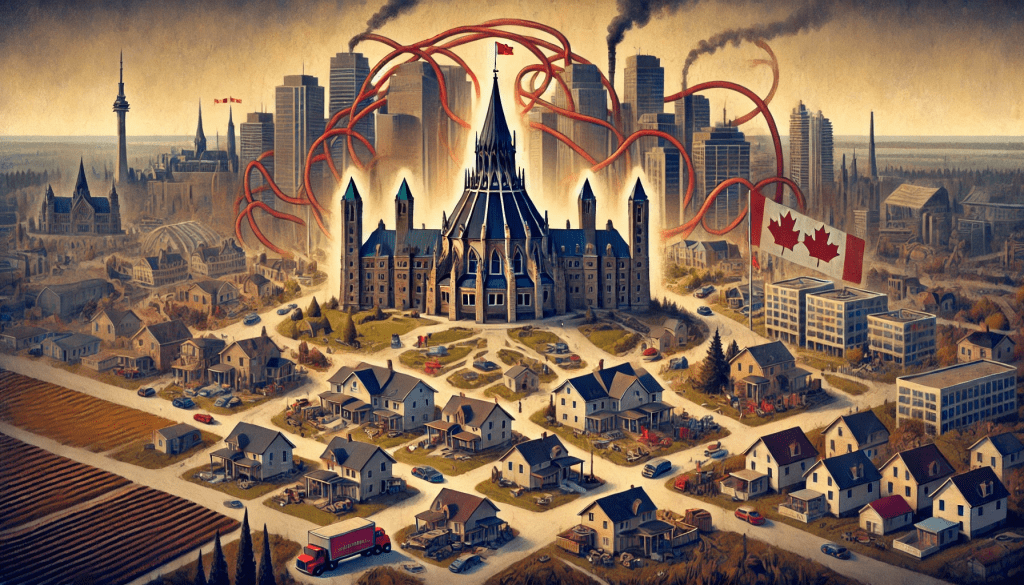
It’s not every day a country is offered the chance to fix the structural rot in its democracy, but with frustration mounting across regions and communities, especially in Western and Indigenous Canada, the time for piecemeal reform is over. Canada stands at a crossroads, and the best path forward is the boldest one: comprehensive, simultaneous democratic renewal.

There is a rumour that a new white paper is now circulating among policy wonks, not just another tired commission report, but a blueprint for electoral and parliamentary transformation. It proposes we do four things at once: implement Proportional Representation (PR) in the House of Commons; guarantee Indigenous representation in both the House and Senate; elect our Senators instead of appointing them; and impose term limits across the board.

These are not radical ideas on their own, they’ve each been discussed, and in some cases even promised, by federal governments past. What’s radical, and deeply necessary, is the insistence that these reforms be pursued together. Not piecemeal. Not sequential. Together. Why? Because they reinforce each other, and together they promise a Canadian democracy that finally reflects our values, population, and future.

Let’s start with the cornerstone: Proportional Representation. The problems with first-past-the-post (FPTP) are well known. Governments get majority power with minority support. Voters in large swaths of the country, the Prairies, Northern Ontario, Atlantic Canada, feel their votes don’t count if they aren’t aligned with the winning party. Entire political movements, including Greens and Indigenous-led initiatives, are kept to the margins, not because people don’t support them, but because the system locks them out.

Under PR, the number of seats a party wins would actually reflect the votes it gets. It levels the playing field, encourages cooperation, and disincentivizes the hyper-partisanship we’ve seen grow in recent years. It also makes space for new voices, and that’s where the next reform matters deeply.

Indigenous peoples, who comprise nearly 5% of Canada’s population, are still structurally underrepresented in federal governance. Beyond symbolic appointments, there’s no permanent Indigenous voice in our institutions. That’s not reconciliation. That’s exclusion. The rumoured white paper proposes 10–17 guaranteed Indigenous seats in both the House and Senate, elected by Indigenous voters through systems that reflect their distinct traditions and nationhood. This is a direct response to the Truth and Reconciliation Commission’s call for political inclusion and UNDRIP’s principles of Indigenous self-determination.

Imagine, for a moment, a federal legislature where Indigenous nations hold formal, guaranteed space, not as guests or advisors, but as constitutional partners. That’s what real nation-to-nation dialogue would look like.

Then there’s the Senate, long the source of regional resentment and democratic embarrassment. An institution that holds legislative power, but whose members are appointed for life (until age 75). It’s no wonder people west of the Ottawa River roll their eyes. Reform here is overdue. The proposal calls for elected Senatorsterm limits, and regional balance, meaning each province and territory gets a fair say, regardless of population size. It also insists on something else: guaranteed Indigenous seats in the Senate, a chamber designed in part to protect minority interests and prevent majoritarian overreach.

And finally, term limits. Canadians respect experience, but they’re tired of career politicians clinging to power for decades. Democracy thrives when it breathes, when new leaders emerge, when old ideas are challenged, when public service is temporary and accountable. A 12-year limit for MPs and Senators allows plenty of time for impact, but makes space for renewal. It reduces the likelihood of political entrenchment, encourages succession planning, and invites more diverse participation, especially from younger generations and underrepresented communities.

Now, critics will argue this is too much at once. That we need to tread carefully. That the constitutional path is hard, and it is, but incrementalism is how we got here: decades of broken promises, failed referenda, and half-measures. The public is smarter than our politics. Canadians understand that systems matter, and that systems built in the 19th century can’t solve 21st-century problems.

By tackling PR, Senate reform, Indigenous representation, and term limits together, we don’t just update old institutions. We rebalance power. We rebuild trust. We open the doors to millions of people who have been shut out, by geography, by heritage, by design.

This isn’t about partisan advantage. It’s about democratic legitimacy. Every vote should count. Every region should matter. Every people should be heard.

This is Canada’s moment for democratic reckoning. Let’s not waste it. Let’s do it all at once.

I may/or may not have started the rumour about this so called white paper, and we all know it’s out there. 

The Athena Protocol: Reclaiming Agency in the Digital Age

Like Heinlein’s Athena, my AI is sharp, loyal, and just a little too clever for everyone’s comfort.  

A while back I wrote a post about Tim Berners-Lee, the inventor of the World Wide Web, and his vision of a transformative shift in the way individuals manage and share their personal data through a decentralized web, embodied by his Solid project. For me, a natural extension of this thinking is to continue the trend of decentralization and move the control of our digital world to individual households.

In a future where every household has its own independent AI system, life would undergo a profound transformation. These AI systems, acting as personal assistants and home managers, would prioritize privacy, efficiency, and user control. Unlike AI tethered to large platforms like Meta or Google, these systems would function autonomously, severing reliance on centralized data mining and ad-driven business models.

Each household AI could be a custom-tailored entity, adapting to the unique needs of its users. It would manage mundane tasks like cooking, cleaning, and maintaining the home while optimizing energy use and sustainability. For example, the AI could monitor household appliances, automatically ordering repairs or replacements when necessary. It could manage grocery inventory and nutritional needs, preparing healthy meal plans tailored to individual dietary requirements. With integration into new multimodal AI models that can process video, audio, and sensor data simultaneously, these systems could actively respond to real-world inputs in real time, making automation even more fluid and responsive.

Beyond home management, the AI would act as a personal assistant to each household member. It could coordinate schedules, manage communication, and provide reminders. For students, it might assist with personalized learning, adapting teaching methods to their preferred style using cutting-edge generative tutoring systems. For professionals, it could optimize productivity, handling email correspondence, summarizing complex reports, and preparing interactive visualizations for meetings. Its ability to understand context, emotion, and intention, now part of the latest frontier in AI interaction design, would make it feel less like a tool and more like a collaborator.

A significant feature of these AIs would be their robust privacy measures. They would be designed to shield households from external intrusions, such as unwanted adverts, spam calls, and data-harvesting tactics. Acting as a filter between the household and the digital world, the AI could block intrusive marketing efforts, preserving the sanctity of the home environment. The adoption of on-device processing, federated learning, and confidential computing technologies has already made it possible to train and run large models without transmitting sensitive data to external servers. This would empower users, giving them control over how their data is shared, or not shared, on the internet.

The independence of these AI systems from corporations like Meta and Google would ensure they are not incentivized to exploit user data for profit. Instead, they could operate on open-source platforms or subscription-based models, giving users complete transparency and ownership of their data. Developments in decentralized AI networks, using technologies like blockchain and encrypted peer-to-peer protocols, now make it feasible for these household systems to cooperate, share models, and learn collectively without exposing individual data. These AIs would communicate with external services only on the user’s terms, allowing interactions to remain purposeful and secure.

However, challenges would arise with such autonomy. Ensuring interoperability between household AIs and external systems, such as smart city infrastructure, healthcare networks, or educational platforms, without compromising privacy would be complex. AI alignment, fairness, and bias mitigation remain open challenges in the industry, and embedding strong values in autonomous agents is still a frontier of active research. Additionally, the potential for inequality could increase; households that cannot afford advanced AI systems might be left behind, widening the technological divide.

In this speculative future, household AI would shift the balance of power from corporations to individuals, enabling a world where technology serves people rather than exploits them. With enhanced privacy, personalized support, and seamless integration into daily life, these AIs could redefine the concept of home and human agency in the digital age. The key would be to ensure that these systems remain tools for empowerment, not control, embodying the values of transparency, autonomy, and fairness.

The Quiet Leader: Alberta’s Hidden Role in North America’s Prosperity

In an era of mounting economic uncertainty, geopolitical tension, and post-pandemic recovery, Alberta has quietly emerged as North America’s top subnational performer in a critical and often overlooked metric: the Human Development Index (HDI). For policy watchers and socio-economic analysts, this isn’t just a number to file under “interesting trivia.” Alberta’s position at the top of the HDI rankings among all Canadian provinces, American states, and Mexican territories marks a significant case study in the relationship between natural resource wealth, public policy, and long-term human development outcomes.

As of the most recent figures, Alberta boasts an HDI score of 0.947, narrowly edging out perennial Canadian leaders like British Columbia and Ontario, and standing shoulder to shoulder with wealthy U.S. states like Massachusetts (0.956). The HDI, developed by the United Nations, is a composite measure of life expectancy, education, and per capita income. It is often used as a more holistic gauge of prosperity than GDP alone, as it reflects not only how much wealth a region generates, but how that wealth translates into actual well-being.

Alberta’s strong showing may come as a surprise to some, especially given the narrative often pushed about the province being overly reliant on fossil fuels or politically out of step with the rest of the country, but the truth is more nuanced. Alberta’s prosperity, particularly in the past two decades, has allowed it to make significant investments in healthcare, education, and infrastructure. Its high-income levels have supported strong public services, when policy has aligned with long-term development goals, and its young, well-educated workforce has given the province a demographic advantage. This is not to ignore Alberta’s volatility or the challenges of a boom-and-bust economy, but rather to acknowledge that, when things align, the outcomes can be extraordinary.

Education is a particular strength. Alberta consistently ranks among the top in Canada, and even internationally, in literacy, math, and science scores, according to the OECD’s PISA results. Its public healthcare system, while strained like others across Canada, remains broadly effective and accessible. Meanwhile, high wages, especially in the energy and trades sectors, boost the per capita income metric significantly, even when adjusted for cost of living.

Of course, HDI doesn’t capture everything. Alberta’s Indigenous communities, rural populations, and recent immigrants often experience very different outcomes than the provincial average. Income inequality, climate vulnerability, and questions around economic diversification remain pressing concerns, but as an overall measure of human potential realized, Alberta’s HDI score offers a compelling counter-narrative to those who dismiss it as a one-note petro-state.

The implications of Alberta’s top-tier HDI rating should not be understated. For federal policymakers, it underscores the importance of regional economic engines in lifting national development indicators. For other provinces and territories, it poses a question: what mix of resources, governance, and vision leads to sustained human flourishing? And for Alberta itself, it’s a reminder that the province’s legacy need not be only pipelines and politics, it can also be about how to build a society where people truly thrive.

Ottawa’s Quiet Revolution: The 15-Minute City and the Rise of Local Commerce on Residential Lots

The City of Ottawa is in the midst of a bold, transformative journey; one that’s reshaping how we live, move, and connect. It’s called the “15-minute neighbourhood,” a simple idea with radical potential.  What if everything you need; groceries, a decent cup of coffee, childcare, your barber, a pharmacy, were just a short walk from your front door? No car required. No long bus rides, just a neighbourhood that works for you.

Ottawa’s New Official Plan, approved in 2021, plants the seeds for this future. At its heart is a commitment to building inclusive, sustainable, and healthy communities. The plan explicitly prioritizes 15-minute neighbourhoods across urban areas, and even pushes for better access to local services in suburban and rural villages. That’s right, this isn’t just a downtown pipe dream. This is city-wide policy.

What’s especially exciting is the quiet, determined push to overhaul the zoning rules that have long governed what can (and can’t) exist in our neighbourhoods. The city is in the thick of writing a new Zoning By-law, and the early drafts reveal a big shift. Residents may soon be able to host small-scale businesses on their own properties. Imagine that, a ground-floor bakery under your neighbour’s apartment, a tiny yoga studio two blocks over, a tailor or vintage shop tucked into a backyard laneway suite. This is no longer just theoretical, it’s in the works.

Ottawa planners are calling these new “Neighbourhood Zones,” and they reflect a sea change in how we think about land use. Rather than rigidly separating residential, commercial, and institutional uses, the city is beginning to embrace a more flexible, mixed-use vision; one that makes space for life to happen more organically. And yes, that means you might be able to open that little business you’ve always dreamed of, without needing to rent expensive storefront space on a commercial strip.

It’s not all roses yet. The first draft of the new by-law has been published, and city staff are collecting public feedback. A second draft is expected in spring 2025, with final council approval tentatively set for fall of the same year. Until then, existing zoning remains in place, but if the final version holds true to its promise, we’ll see the biggest zoning reform Ottawa has seen in decades.

Of course, this kind of change raises questions. Will small businesses in residential zones create noise or traffic? How will parking be handled? Will local character be preserved or diluted? These are fair concerns—and ones the city must address carefully. But the potential benefits are enormous: stronger local economies, reduced car dependency, and vibrant, human-scaled communities.

My regular readers will know that I am a supporter of the 15-minute community. I grew up in NE England where nearly everything we needed on a daily basis was within a 15 min walk, and so I am happy to see that for Ottawa this isn’t just a slogan here, it’s becoming real. And if we get this zoning update right, we may just find ourselves living in a more neighbourly, resilient, and walkable city than we ever imagined.

Building the Future: Kemptville’s Affordable Housing Vision

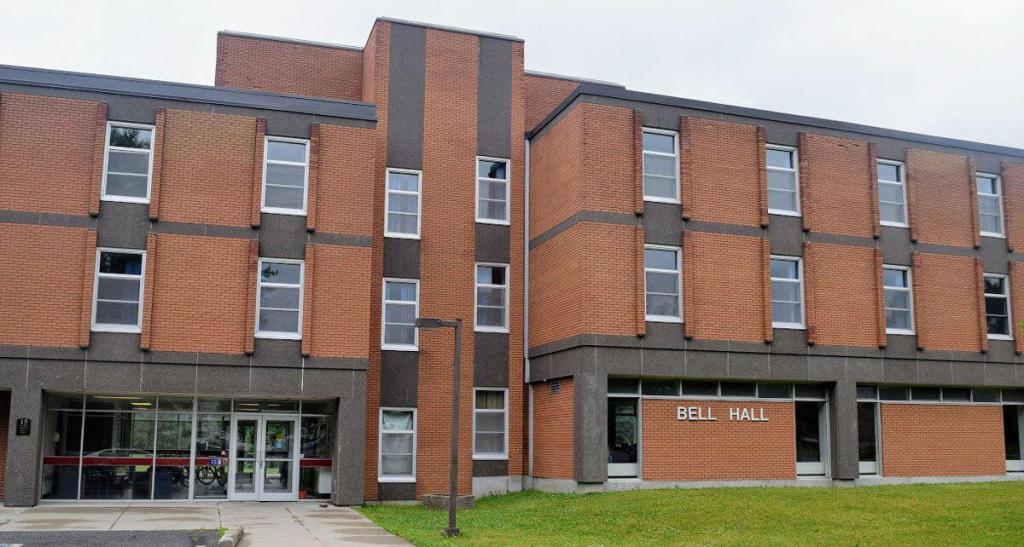
In communities across Canada, the housing crisis has become more than a policy debate, it’s a daily struggle. While costs rise and waitlists grow, the Municipality of North Grenville, just south of Ottawa, is offering a bold response. Its $25 million proposal to convert Bell Hall, a vacant dormitory on the Kemptville Campus, into more than 60 affordable rental units is both practical and symbolic, a microcosm of what’s possible when local governments lead.

The campus itself is a 630-acre hub of community, education, and sustainability activities. Once part of the University of Guelph’s agricultural network, it’s now owned by the municipality and governed by a 2021 master plan that prioritizes adaptive reuse, environmental responsibility, and deep community engagement. Bell Hall fits that vision precisely; a municipally owned, appropriately zoned, fully serviced building, already standing and waiting to be converted.

This is not a speculative plan. Developed over months with input from senior staff and not-for-profit partners, the Bell Hall project targets the real needs of North Grenville’s most vulnerable; seniors, veterans, and working families being priced out of their hometown. It offers not just housing, but stability, dignity, and a sense of belonging.

And yet, despite being shovel-ready, the proposal remains stalled in a growing backlog at the Canada Mortgage and Housing Corporation (CMHC). It’s a familiar story for municipalities across the country, many of whom are reporting delays due to limited federal processing capacity, particularly in underwriting. As federal priorities shift with the political winds, viable projects are left in limbo.

Mayor Nancy Peckford recently sounded the alarm in the Ottawa Citizen, arguing that the issue is not preferential treatment, but systemic inefficiency. Her call for transparency and faster turnaround is resonating with other small communities also ready to build. In an age where housing need is immediate, the logic is simple: when a plan meets all the criteria, and the groundwork is laid, it should move forward.

Some critics are suggesting that municipalities are just now “stepping up” on housing, but local governments have long managed zoning and development approvals. What’s new is the scale and pace of their engagement, assembling land, forming partnerships, applying for federal tools, and leading where senior governments lag.

North Grenville’s approach is part of a broader shift in small-town Canada, where pressures once confined to major cities are now spreading. The housing crisis isn’t urban anymore, it’s national. In this context, Bell Hall becomes more than a local project. It’s a test of the federal-municipal partnership that modern housing policy demands.

There’s also economic logic behind the urgency. A 2023 Deloitte report estimated that expanding community housing could add $70 billion to Canada’s GDP over five years. In places like Kemptville, where growth is manageable and materials can be sourced locally, the multiplier effects are significant with jobs, procurement, community stabilization, and reduced strain on health and social services.

And this is just one community. Rural municipalities across Eastern Ontario are facing similar challenges – aging populations, limited rental stock, and infrastructure that hasn’t kept pace. A regional alliance, or even a coordinated appeal, could elevate the urgency of rural housing and draw more attention to what’s at stake.

North Grenville is ready. Bell Hall is ready. The question is whether the federal system is ready to respond with the speed and seriousness the moment demands. If the next government wants to prove its commitment to housing, here is the perfect place to start.

Your Anti-Vax Opinion Is a Public Health Threat

It’s astonishing, and frankly infuriating, that in 2025 we’re still arguing about the value of the measles vaccine. The data is clear, the science is airtight, and yet somehow, vaccine hesitancy continues to chip away at public health. Let me be blunt: the risk of a vaccine like the MMR is vanishingly small compared to the catastrophic potential of a disease like measles. And if you don’t believe that, then you’re either ignoring the data or falling for misinformation. Either way, lives are at risk.

Measles isn’t just a “harmless childhood illness.” That’s a dangerous myth. Measles is one of the most contagious viruses we know, spread through the air, able to linger for hours, and capable of infecting up to 90% of unvaccinated people exposed to it. In well-resourced countries, about 1 or 2 out of every 1,000 children who get measles will die. That’s not a rounding error. That’s a funeral. And it gets worse in poorer regions where malnutrition and limited healthcare access make mortality rates even higher.

And for the kids who survive? About 1 in 20 ends up with pneumonia, 1 in 10 gets a potentially permanent ear infection, and roughly 1 in 1,000 develops encephalitis, a dangerous brain swelling that can cause lifelong disability. Years later, a rare but fatal condition called SSPE can develop from a childhood measles infection, slowly destroying the brain. No cure. No mercy.

Now contrast that with the MMR vaccine. It has been used globally for decades, and it works. Two doses give you about 97% protection. Most people have no side effects at all. At worst, maybe a fever or a mild rash. Some kids, about 1 in 3,000 to 4,000, might experience a febrile seizure, which is scary for parents, but causes no long-term harm. And the odds of a life-threatening allergic reaction? Less than one in a million. In other words, you’re more likely to be struck by lightning. Twice! 

And we’ve seen what happens when vaccine coverage drops. Samoa in 2019 is a tragic case study. After a decline in vaccine confidence, a measles outbreak swept the islands. Eighty-three people died, mostly young children. In Europe that same year, measles cases exploded. More than 82,000 in the WHO European Region, and 72 people dead. In the U.S., the 2019 outbreak saw over 1,200 cases, largely among unvaccinated individuals, threatening the country’s measles elimination status. This isn’t theoretical. This isn’t debatable. It’s what happens when people stop vaccinating.

It’s no surprise that the World Health Organization named vaccine hesitancy one of the top ten global health threats. And it should be, because when you refuse a vaccine, you’re not just making a decision for yourself, you’re putting babies, cancer patients, and immunocompromised people at risk. You’re weakening herd immunity, which is the only thing standing between them and a virus that doesn’t care about your opinions or your YouTube rabbit holes.

Let’s stop sugarcoating it. Vaccines are safe. Measles is deadly. Choosing not to vaccinate isn’t a personal health decision, it’s a public health threat. We’re not debating anymore. We’re fighting ignorance with facts, and if that offends you, maybe it should.

Reviving Voices: How Canada is Fighting to Save Indigenous Languages

Each year on March 31, Canada pauses to recognize National Indigenous Languages Day, a moment to reflect on the state of Indigenous languages across the country. For many, this is not just a symbolic date on the calendar; it is a call to action, a reminder of both the fragility and resilience of the more than 70 Indigenous languages spoken in Canada today. These languages, rooted in the land, carrying centuries of knowledge, culture, and identity, have survived despite relentless attempts to erase them. Now, communities are fighting to bring them back to life.

The weight of history is impossible to ignore. For generations, Indigenous children were taken from their families and placed in residential schools, where speaking their native language was strictly forbidden. The goal was assimilation, the devastating impact still felt today. Some languages have been lost entirely, while others teeter on the edge of extinction, with only a handful of fluent speakers left. Yet, amid this painful legacy, a quiet, but determined movement is growing, breathing new life into words and phrases once whispered in secret.

In 2019, Canada passed the Indigenous Languages Act (ILA), recognizing Indigenous languages as fundamental to identity and committing to their protection. This legislation also led to the creation of the Office of the Commissioner of Indigenous Languages, tasked with supporting revitalization efforts. Government funding has followed, helping to sustain language programs across the country, though many communities argue that the support remains inconsistent and insufficient. Real change, they insist, must come from within, driven by those who have lived the loss and are determined to reclaim what was stolen.

One of the most promising efforts has been the growth of language immersion programs, where young learners are surrounded by their ancestral language from an early age. In places like Kahnawake, Mohawk immersion schools have become a beacon of hope, proving that with dedication and resources, language revival is possible. Universities and colleges have also stepped in, offering courses in Cree, Inuktitut, and other Indigenous languages, ensuring that the next generation of educators is equipped to pass on these traditions.

Beyond the classroom, technology has emerged as an unexpected ally. Apps like Duolingo, have introduced Indigenous languages such as Ojibwe and Michif, while YouTube channels and TikTok creators are making language learning accessible in ways that previous generations never could have imagined. Even radio and television stations, including the Aboriginal Peoples Television Network (APTN), continue to broadcast in Indigenous languages, reinforcing the presence of these voices in mainstream media.

Recently, Manitoba took a bold step in expanding the role of Indigenous languages in government. The province announced a pilot project to translate Hansard, the official transcript of legislative proceedings, into Indigenous languages. This project, starting with Anishinaabemowin, is expected to generate a wealth of linguistic material, supporting both language learners and artificial intelligence researchers; working to integrate Indigenous languages into modern technology. It also creates new jobs, with Manitoba actively recruiting Indigenous translators to bring this initiative to life.

Despite these efforts, challenges remain. Some Indigenous languages have so few speakers that urgent action is needed to prevent their disappearance. Others struggle with finding enough fluent teachers to meet demand. And while federal funding exists, it is often tied to bureaucratic processes that slow progress rather than support it.

Yet, if there is one thing that history has shown, it is that Indigenous languages, like the people who speak them, are resilient. National Indigenous Languages Day is more than just a commemoration; it is a reminder that these languages are still here, still fighting to be heard, and that their survival is a testament to the strength of the communities that cherish them.

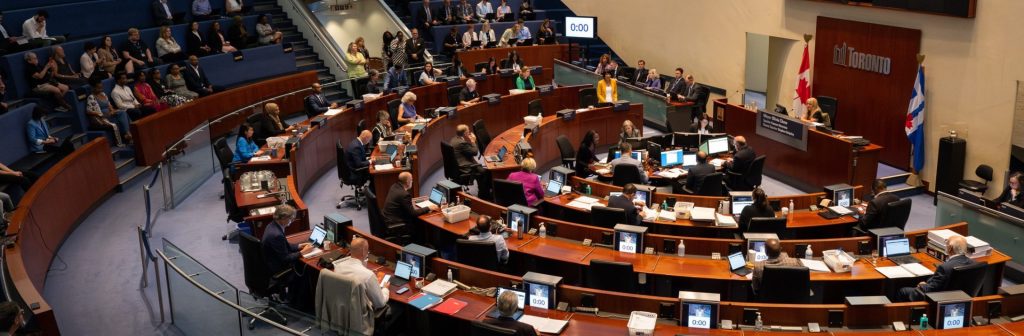
Greedy, Clueless, and Out of Touch: Toronto Councillors Debate a Disgraceful Pay Hike

Toronto politicians are completely out of touch with reality. At a time when the city is drowning in unaffordable rents, soaring food prices, and a crumbling public transit system, these councillors have the audacity to debate giving themselves a 24% pay raise—a jaw-dropping $33,000 increase—while ordinary Torontonians struggle to make ends meet.

This isn’t just tone-deaf; it’s selfish, unthinking stupidity. People across the city are losing their homes, skipping meals, and watching their quality of life deteriorate, but instead of focusing on fixing the city, these politicians are focused on fixing their own bank accounts. They already make $137,537 a year—more than enough to live comfortably—but apparently, that’s not enough for them. They want to pad their pockets while the people they’re supposed to serve scrape by.

And their excuse? That they haven’t had a significant raise since 2006? Cry me a river. Most workers in this city haven’t seen real wage growth in years, and many are stuck in precarious jobs with no benefits, yet councillors think now—in the middle of an affordability crisis—is the right time to fatten their wallets? It’s disgraceful.

If these politicians had even an ounce of integrity, they’d reject this outrageous raise outright. Instead, they’re actually debating it, proving once again that they are more concerned with their own wealth than with the suffering of the people they claim to represent.

Urban Agriculture: A Practical Solution for Food Security in Uncertain Times

While I am extremely fortunate to live on a small hobby farm, I started learning about growing my own food as a pre-teen living in an apartment with a concrete yard using containers. My grandparents lived on a half acre with a greenhouse and cold frames, and this expanded my learning opportunities until I could get my own space.  Wherever I have settled in the world, I have grow some level of my food, whether it’s been window sill herb gardens, raised beds on a small city lot, or a few acres of orchards, perennial fruit and veg, with rows of annual harvests. 

There was a time when backyard gardening was seen as a hobby, something for retirees with time on their hands, or for children learning about where their food comes from, but in recent years, urban agriculture has become much more than a pastime. As food prices continue to rise and supply chains face disruptions, more people are turning whatever outdoor space they have – balconies, patios, backyards, and even front lawns – into productive gardens. The shift isn’t just about saving money; it’s about taking control of food security in an increasingly uncertain world.

The past few years have revealed vulnerabilities in the global food system. The pandemic exposed just how fragile supply chains can be, with empty grocery store shelves becoming a common sight. At the same time, extreme weather events linked to climate change have devastated farmland, reducing crop yields and further driving up prices. For many families, fresh, nutritious food has become harder to afford. The solution, in part, lies closer to home. Urban agriculture, even on a small scale, can help reduce dependence on imported produce while ensuring access to healthy food.

One of the biggest misconceptions about growing food is that it requires a large plot of land. In reality, a surprising amount can be harvested from small spaces. Balconies and patios can support potted herbs, tomatoes, and peppers. Small backyards can accommodate raised beds, which improve soil quality and provide better growing conditions. In denser urban areas, community gardens have emerged as a way for neighbors to grow food together, share resources, and build a sense of connection. Some residents are even experimenting with hydroponic systems, allowing them to grow fresh greens indoors year-round.

Beyond the personal benefits, urban agriculture plays a vital role in strengthening communities. When people grow food together, they build relationships and foster a shared sense of responsibility for local food production. Many community gardens serve as educational spaces where people learn about sustainability, organic farming techniques, and seasonal eating. Some initiatives even donate surplus produce to local food banks, ensuring that those in need have access to fresh, healthy food.

The environmental benefits are equally compelling. Green spaces in urban areas help reduce heat, mitigate stormwater runoff, and provide much-needed habitats for pollinators like bees and butterflies. Growing food locally also reduces the environmental impact of transportation, cutting down on emissions associated with long-distance shipping.

While urban agriculture isn’t a replacement for large-scale farming, it is an essential piece of the puzzle when it comes to food resilience. As more people recognize the value of growing their own food – whether for economic reasons, environmental concerns, or simply the satisfaction of harvesting something fresh from their own backyard – cities are beginning to adapt. Local governments are easing zoning restrictions, supporting community garden initiatives, and encouraging green infrastructure.

The future of food may be more localized than ever before. Urban agriculture is proving that solutions don’t have to come from massive farms or distant suppliers. Sometimes, they start with a single tomato plant growing just outside the door.

The Ottawa Amalgamation Failure

The amalgamation of the 13 municipalities into the single-tier City of Ottawa in 2001 was touted as a transformative move. It was expected to streamline governance, reduce redundancy, and create financial efficiencies. Promises of improved municipal services and lower taxes were at the forefront of the pitch made by the Harris government in Ontario. However, in practice, the amalgamation has faced widespread criticism for its failure to fulfill these expectations. I worked as a member of a geospatial applications team to support evidence-based decision making during this transition, and it soon became clear that politics rather than data and community requirements was driving the bus. 

Improved Services
One of the primary promises of amalgamation was to standardize and enhance municipal services across all former municipalities. However, this promise has not been fully realized, particularly for rural and suburban areas, which have often felt left behind. Several key issues have been noted:

Prior to amalgamation, smaller municipalities had tailored services suited to their unique needs. Post-amalgamation, rural areas, such as West Carleton and Rideau-Goulbourn, have voiced concerns over reductions in services like road maintenance, snow clearing, and public transit availability. Urban-centric planning has often overshadowed rural priorities. Rather than simplifying governance, the larger bureaucratic structure of the amalgamated city has at times hindered efficient decision-making. Residents have reported delays in service delivery and inefficiencies in resolving local issues.

One of the most visible struggles has been with Ottawa’s public transit system, particularly with the Ottawa Light Rail Transit (LRT) project. This has been plagued by cost overruns, operational challenges, and inadequate service in suburban and rural areas. Residents question whether the amalgamated city’s centralization has exacerbated these issues.

Lower Taxes
Another major promise was the reduction of property taxes due to economies of scale and centralized administration. However, this has not materialized, and in many cases, taxes have increased. Many residents of rural and suburban areas have seen tax hikes without proportional improvements in services. Before amalgamation, smaller municipalities often operated with lower budgets and tax rates tailored to their limited scope. Amalgamation brought uniform tax rates, which disproportionately impacted these regions.

Amalgamation created unforeseen administrative and operational costs. For example, the integration of different IT systems, payroll structures, and service contracts has led to ballooning expenses. These costs have been passed on to residents through higher taxes. The perception that rural residents are subsidizing urban infrastructure projects, such as the LRT, has deepened dissatisfaction. Rural areas often feel they are paying higher taxes for services that primarily benefit the urban core.

Loss of Local Control
Another often-overlooked consequence of amalgamation has been the loss of local decision-making. Smaller municipalities had more control over their budgets, development priorities, and service delivery. Post-amalgamation, these decisions are centralized, often resulting in policies that do not reflect the needs of individual communities. This has alienated many residents and fostered distrust in the amalgamated city’s leadership.

Evaluation and Criticism
Critics argue that amalgamation prioritized financial theories over the realities of local governance. While some benefits of centralization, such as unified planning and a larger economic development strategy, have been achieved, the overall failure to deliver on improved services and lower taxes has undermined public confidence. Amalgamation’s implementation lacked sufficient consultation with residents and did not adequately address the diverse needs of Ottawa’s urban, suburban, and rural communities.

The amalgamation of Ottawa’s 13 municipalities was envisioned as a way to create efficiencies and deliver better services at lower costs. However, the reality has been far more complex, with significant gaps between promises and outcomes. The perceived failure to deliver on these promises has left many residents, particularly in rural and suburban areas, feeling underserved and overtaxed. This has sparked ongoing debates about whether the amalgamation truly benefited the diverse communities it was meant to unite or whether it simply centralized problems under a single, unwieldy structure.