Canadian Communities Need Rural, Northern and Remote ERs 

I get somewhat peeved when I hear urban communities, politicians and healthcare administrators claim that we can’t afford to continue maintaining small hospitals, and especially their ERs.  They talk about cost benefits analysis and staffing shortages, but seem to totally lose sight of the big picture 

Canadian policy concerning equal access to public programs and services is guided by the Canadian Charter of Rights and Freedoms,  and a variety of federal and provincial legislation, including the Canada Health Act (1984) that establishes the principles of universality, accessibility, comprehensiveness, portability, and public administration in Canada’s healthcare system. It ensures that all Canadians have access to medically necessary healthcare services without financial or geographic barriers.

Emergency rooms (ERs) are a cornerstone of healthcare, providing critical, life-saving services during medical emergencies. While it may not be feasible to establish ERs in every small or remote community across Canada, prioritizing the integration and maintenance of ERs into communities with existing hospitals or sizeable healthcare clinics is essential. This approach balances the need for equitable healthcare access with resource availability. Ensuring consistent funding for ERs in such communities is crucial for delivering timely care, improving health outcomes, and supporting Canada’s universal healthcare system.

Communities with hospitals or sizeable healthcare clinics are often regional hubs that serve a broad population, including nearby rural areas. In medical emergencies, such as heart attacks, strokes, severe trauma, or childbirth complications, the existence of a local ER within these hubs can save lives by reducing travel times. Adding or maintaining ERs in communities with established healthcare infrastructure leverages existing facilities, ensuring efficient delivery of critical care without duplicating resources.

Canada’s healthcare system is founded on the principle of accessibility, but disparities persist, particularly in rural and remote areas. Prioritizing ERs in communities with hospitals or large clinics addresses these disparities by creating centralized points of care for surrounding regions. These hubs reduce the healthcare gap between urban and non-urban areas, especially for Indigenous populations and remote communities that rely on regional hospitals for services. Without an ER in these hubs, residents may face long travel distances to urban centers, delaying care and exacerbating health inequities.

ERs in communities with hospitals or large clinics enhance the overall effectiveness of regional healthcare systems. They act as critical entry points for patients who may require stabilization before being transferred to specialized facilities in larger cities. These ERs relieve pressure on urban hospitals by managing emergencies locally and prevent rural patients from overwhelming urban systems. This distributed model ensures more balanced resource utilization across the healthcare system.

Regional hubs with hospitals or large clinics often serve as economic and social anchors for their areas. A functioning ER not only ensures access to life-saving care but also supports community resilience by attracting families, workers, and businesses. Industries such as agriculture, forestry, and resource extraction—frequently located in rural areas—depend on access to emergency services to manage workplace risks and protect employees. Communities without ERs face difficulties retaining residents and businesses, weakening their long-term viability.

Expanding ER services in communities with existing healthcare infrastructure is a cost-effective approach to improving healthcare access. These communities already have trained healthcare professionals, medical equipment, and transportation networks, reducing the need for significant new investments. Furthermore, timely treatment at regional ERs reduces the severity of medical conditions, preventing costly hospitalizations or long-term care. In this way, proactive funding for ERs generates long-term savings for the healthcare system.

Critics may argue that staffing and resource constraints make it difficult to sustain ERs in smaller hubs. However, innovative solutions such as telemedicine, rotating staff from urban centers, and offering incentives for healthcare professionals to work in underserved areas can mitigate these challenges. Federal and provincial governments must collaborate to allocate funds strategically, ensuring ER services are available in communities where they are most needed.
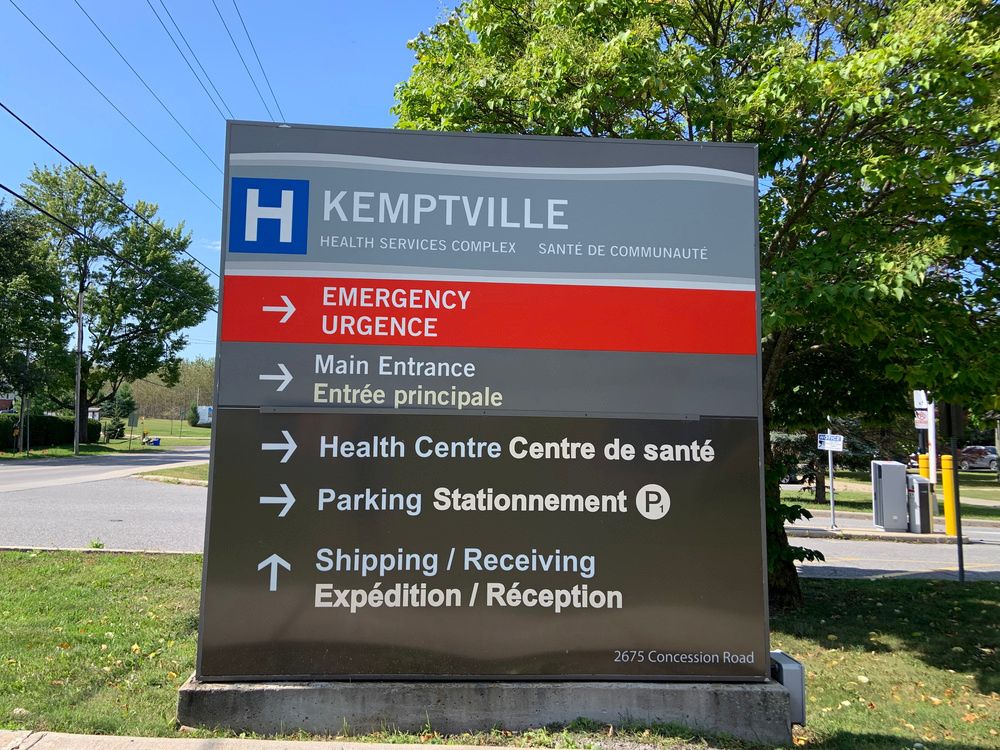
While it may not be feasible to establish ERs in every community across Canada, ensuring that all communities with hospitals or sizeable healthcare clinics have access to ER services is essential. These hubs serve as vital lifelines for surrounding populations, providing timely care, reducing healthcare disparities, and supporting the broader healthcare system. Federal and provincial governments must prioritize funding for ERs in these communities to uphold Canada’s commitment to equitable and accessible healthcare. In doing so, Canada can ensure that the promise of universal healthcare is realized where it is most urgently needed.


America’s New Populist Diplomacy: A Threat to European Stability

As a European living in Canada, I watch with great dismay, as America begins to empower the nationalist Eurosceptics, clearly in an effort to weaken the Union against Russia, along with improving its own economic well-being. 

Vice President JD Vance’s decision to meet with Alice Weidel, the leader of Germany’s far-right Alternative für Deutschland (AfD), while snubbing Chancellor Olaf Scholz, is more than just a diplomatic misstep—it is a calculated provocation that undermines European stability. This is not simply an American conservative engaging in ideological dialogue; it is an intervention into European politics that emboldens those who seek to dismantle the post-war democratic consensus.

For decades, the United States has been a pillar of transatlantic stability, supporting European nations in their pursuit of economic integration, security cooperation, and democratic resilience. The very idea that an American leader—especially a sitting vice president—would break Germany’s long-standing political firewall against extremist forces is astonishing. This is not just a question of optics. It is a matter of realpolitik, of who gains and who loses from Washington’s new approach to European affairs.

The AfD, despite its attempts at rebranding, remains a party deeply rooted in xenophobia, anti-democratic sentiment, and historical revisionism. Germany’s mainstream parties maintain a strict policy of non-engagement with them for precisely this reason. By meeting with Weidel, Vance has done what no German chancellor, foreign minister, or major party leader would consider; granting the AfD legitimacy at the highest levels of international diplomacy.

And what message does this send? To Europe’s other far-right movements—from Marine Le Pen’s Rassemblement National in France to Giorgia Meloni’s Brothers of Italy—it signals that the United States, under its current administration, is willing to empower their nationalist, Eurosceptic agendas. It tells them that the old Atlanticist consensus, which valued stable, pro-democratic leadership in Europe, is fading. It suggests that the firewall against extremism is now seen in Washington not as a necessary protection against history repeating itself, but as an outdated restriction on political realignment.

Vance’s remarks at the Munich Security Conference—deriding European leaders for failing to address immigration and for being “afraid of their own voters”—are not just criticisms; they are endorsements of the very populist forces that threaten European cohesion. His rejection of a meeting with Scholz, reportedly on the basis that “he won’t be chancellor for long,” is more than an insult; it is a declaration that Washington now sees little value in engaging with Europe’s centrist leadership.

For Germany, a country that has spent decades carefully managing its historical responsibility, and cultivating a democratic, inclusive society, this is a direct challenge. Chancellor Scholz’s government, whatever one may think of its effectiveness, has upheld a firm stance against political extremism. By treating Scholz with indifference while meeting with 

Weidel, Vance has offered implicit backing to those who seek to erode the stability of German democracy from within.

There is a broader pattern at play here. The Trump-Vance administration is not simply skeptical of European integration—it is actively engaging with those who want to dismantle it. From Steve Bannon’s earlier attempts to unite Europe’s nationalist movements to Trump’s previous disdain for NATO and the European Union, this shift has been years in the making. But now, with a vice president openly embracing figures like Weidel, the implications are clear; the United States is no longer merely tolerating European populists; it is empowering them.

This will have consequences. European unity, already strained by economic challenges, war in Ukraine, and the resurgence of nationalist politics, will face further division if the U.S. continues to lend legitimacy to parties like the AfD. If Washington sees Europe not as a partner, but as a battlefield for ideological influence, then EU democratic institutions will suffer.

Germany and the rest of Europe must not be passive in the face of this shift. While they cannot control who American leaders choose to meet, they can reaffirm their own commitment to keeping extremist forces at bay. The AfD and its allies must not be allowed to claim that they now have a direct line to Washington without consequence.

This is a moment for European leaders to reassert the importance of their own transatlantic priorities. If the United States seeks to shift its alliances toward Europe’s nationalist right, then Europe must double down on strengthening its democratic institutions, reinforcing NATO’s role, and making it clear that their political landscape will not be dictated by the winds of populism from across the Atlantic.

Vance’s actions may have emboldened Europe’s far right, but they have also clarified the stakes. The question is whether Europe’s democrats are ready to respond? 

National Flag of Canada Day

The 60th anniversary of the Canadian flag in 2025 comes at a time of heightened national reflection, as the country faces economic pressures from the United States under a second Trump administration. With new tariffs, trade restrictions, and economic policies designed to favor American industries at Canada’s expense, the Maple Leaf takes on renewed significance as a symbol of resilience and sovereignty. Just as the flag was introduced in 1965 to assert a distinct Canadian identity separate from Britain, its anniversary in 2025 serves as a reminder of the nation’s ability to stand firm in the face of external challenges. On this Flag Day, Canadians may not only celebrate their emblem, but also reaffirm their commitment to economic independence and unity in the face of shifting geopolitical realities.

Partisan Outrage: Conservatives’ Double Standards on Prorogation

This week, the Federal Court is hearing a constitutional challenge against Prime Minister Justin Trudeau’s decision to prorogue Parliament until March 24, 2025. The applicants, David MacKinnon and Aris Lavranos, argue that this move is unconstitutional, claiming it undermines Parliament’s ability to hold the government accountable – especially in the face of pressing issues like recent U.S. tariff threats. They contend that while the Prime Minister has the authority to advise the Governor General on prorogation, this power is not absolute and must be exercised with reasonable justification.

Federal lawyers, however, insist that Trudeau’s decision aligns with constitutional conventions and falls outside the scope of judicial review. They argue that the government remains accountable to voters, and prorogation is a legitimate tool within Canada’s parliamentary system. The court’s ruling could set a significant precedent, determining whether prime ministers have unchecked authority to suspend legislative scrutiny or whether limits must be imposed.

Amid this legal battle, conservative politicians and business leaders have been vocal in their calls to end prorogation, claiming it damages democracy and disrupts economic stability. But their outrage is as selective as it is hypocritical. When Conservative Prime Minister Stephen Harper twice prorogued Parliament – once in 2008 to dodge a confidence vote, and again in 2009 to stall inquiries into his government – many of these same voices either defended the move or remained conspicuously silent. Their sudden concern for democratic norms now suggests that their stance depends entirely on who is in power.

Business leaders, too, have taken up the cry, arguing that prorogation creates uncertainty that harms investment and economic confidence. Yet these same figures have backed policies that introduce far greater instability – aggressive deregulation, tax cuts that balloon deficits, and budget standoffs that delay essential government funding. Their selective outrage makes it clear: they aren’t worried about economic disruption in principle, only about the inconvenience of a temporary legislative pause that may slow down policies they favor.

Conservatives have long weaponized procedural arguments to suit their political needs. When in opposition, they decry any government move that limits their ability to grandstand. When in power, they are quick to use the same tools to stifle criticism and control the political narrative. Harper’s use of prorogation to shut down inquiries into the Afghan detainee scandal is a prime example. Back then, the argument was that Parliament needed a “break” to focus on governance. Now, with Trudeau at the helm, they claim a temporary pause is an attack on democracy itself. The double standard could not be clearer.

Ultimately, the conservative push to end prorogation isn’t about principle – it’s about power. Their calls for accountability and stability ring hollow when contrasted with their own history of procedural manipulation. This is not a stand for democracy; it is political opportunism, plain and simple.

Public Utilities in Public Hands: The Case Against Privatization in Ontario

The privatization of public utilities is one of the most serious threats to the well-being of Ontario’s citizens. Essential services such as electricity, natural gas, and potable water are not mere commodities; they are fundamental to public health, economic stability, and social equity. Yet, time and again, privatization has proven to be a short-sighted policy that prioritizes corporate profit over public interest, leading to rising costs, reduced accountability, and degraded service quality.

Ontario has already had a taste of these consequences. The partial privatization of Hydro One in 2015, sold as a way to fund infrastructure projects, stripped the public of full control over a critical utility. The result? Electricity rates surged while executive salaries ballooned, all while Ontarians faced an affordability crisis. Now, the same logic is being applied to water infrastructure, with growing interest in public-private partnerships (P3s) that risk putting a basic human right in the hands of profit-driven corporations.

The United Kingdom serves as a cautionary tale. Margaret Thatcher’s aggressive privatization agenda in the 1980s dismantled public control over water, gas, and electricity. Decades later, the consequences are glaringly evident—privatized water companies have failed to maintain infrastructure, leading to widespread sewage pollution in rivers and skyrocketing utility bills. In 2023, public outrage reached a boiling point as UK citizens demanded renationalization, fed up with a system that prioritized shareholder dividends over basic service quality.

Ontario does not need to look across the Atlantic to see privatization’s dangers. The sale of Highway 407 in the late 1990s remains one of the most infamous examples. Originally built with public funds, the highway was sold to a private consortium, which promptly implemented steep toll increases. Now, it is one of the most expensive toll roads in North America, generating billions in private profits while Ontario drivers pay the price.

Similarly, in the 1990s, Premier Mike Harris’s government moved to privatize parts of Ontario’s water services, leading to deregulation that contributed to the Walkerton tragedy in 2000. E. coli contamination in the town’s water supply led to seven deaths and thousands of illnesses. A key lesson from Walkerton was that water safety should never be compromised for cost-cutting measures—yet renewed interest in water privatization suggests that this lesson is being ignored.

Proponents of privatization often push P3s as a supposed middle ground, but the reality is that these arrangements often result in long-term financial burdens for taxpayers and reduced service quality. In Ontario, numerous P3 infrastructure projects, including hospitals and transit systems, have faced cost overruns, delays, and contract disputes that leave the public footing the bill. The Brampton Civic Hospital, one of Ontario’s earliest P3 healthcare projects, ended up costing nearly $200 million more than a traditional public model, demonstrating how these deals frequently benefit corporate interests at the public’s expense.

When it comes to water and electricity, the risks are even greater. Private firms operating under P3 models have strong incentives to minimize costs, which can lead to deferred maintenance, staff reductions, and lower service quality. Meanwhile, the public remains on the hook for any failures, as companies structure contracts to shield themselves from financial risk while reaping the profits.

Once essential services are privatized, reversing the decision becomes extremely difficult. Private companies, armed with deep lobbying power, fight fiercely to protect their revenue streams. In the case of Hydro One, the Ontario government now owns less than 50% of the company, making it virtually impossible to fully reassert public control without an expensive and politically complex buyback.

The simple truth is that profit should never be the primary driver in the management of public utilities. Roads, water, electricity, and natural gas are the backbone of a functioning society, and their operation must be based on public interest, environmental sustainability, and affordability—not corporate greed.

Ontario must resist further privatization and instead strengthen public ownership of essential services. This means investing in infrastructure, enforcing transparency, and ensuring that these utilities serve the people rather than the pockets of a few wealthy shareholders. The province has seen the consequences of privatization firsthand, and the path forward is clear: protect public utilities, prioritize public well-being, and reject the false promises of privatization before it’s too late.

DS9 is Simply the Best Star Trek to Date

Star Trek: Deep Space Nine (DS9) is widely regarded as the most complex and compelling series in the Star Trek franchise, setting itself apart through its intricate storytelling, morally gray characters, and bold exploration of themes that challenge traditional Star Trek optimism. Unlike the more episodic nature of The Original Series and The Next Generation, DS9 adopts a serialized approach, allowing for deeply interconnected story arcs that resonate on a larger scale. The Dominion War, a centerpiece of the series, stands as a testament to this approach, offering a gritty, multi-season exploration of warfare, diplomacy, and the ethical dilemmas faced by individuals and governments during times of crisis.

One of DS9’s greatest strengths is its cast of richly developed characters. Benjamin Sisko, played masterfully by Avery Brooks, is a layered protagonist who balances the responsibilities of a Starfleet officer with his personal struggles as a father, widower, and religious figure to the Bajoran people. Sisko’s arc as the Emissary of the Prophets adds a spiritual dimension to his leadership, making him one of the most complex captains in the franchise. Characters like Kira Nerys, a former Bajoran resistance fighter, and Garak, a Cardassian tailor and ex-spy, further highlight DS9’s ability to delve into morally ambiguous territories. Kira’s journey from hardened freedom fighter to a diplomat striving for peace underscores the personal cost of resistance and rebuilding, while Garak’s layers of deceit and loyalty make him one of the most fascinating secondary characters in Star Trek history.

The series also excels in its exploration of darker and more controversial themes. For instance, the occupation of Bajor by the Cardassians serves as a thinly veiled allegory for real-world historical atrocities, such as colonialism and genocide. Episodes like “Duet” and “The Siege of AR-558” confront the horrors of war and occupation head-on, forcing both the characters and viewers to grapple with uncomfortable truths about morality and justice. The Dominion War arc, spanning multiple seasons, brings these themes to a head, portraying the Federation in its most vulnerable state. Through this, DS9 challenges the idealism that defined earlier Star Trek series, asking whether the Federation’s values can endure in the face of existential threats.

DS9’s stationary setting on a space station near a strategic wormhole allows it to explore interpersonal dynamics and long-term political relationships more deeply than its predecessors. The station serves as a cultural melting pot, fostering interaction between species like the Bajorans, Cardassians, Ferengi, and Dominion. This unique setup creates a backdrop for stories that delve into diplomacy, trade, and cultural tensions. Episodes such as “In the Pale Moonlight”, where Sisko manipulates events to bring the Romulans into the Dominion War, exemplify the show’s willingness to confront moral ambiguity.

Moreover, DS9 embraces diversity and representation. It features one of the first Black leads in sci-fi television and presents LGBTQ+ themes subtly through characters like Jadzia Dax, whose experiences challenge traditional notions of identity and love.

By combining rich storytelling, profound character arcs, and a willingness to push boundaries, Deep Space Nine remains not only the best Star Trek series, but also one of the most thoughtful and impactful sci-fi shows ever created.

I wrote this piece almost two years ago, and I have been holding off publishing. Why? Strange New Worlds, that’s why! I have been totally taken with this series, and yet for me, it’s needs a little more longevity before I am going to change my mind – just saying! 

Securing the Future of Freshwater

This is the first in a series of articles on freshwater—our most essential and increasingly fragile resource. Potable water is the foundation of any thriving community, yet it faces mounting threats from rising demand, population growth, mismanagement, and climate change. Water scarcity is no longer a distant concern; it is a present reality affecting billions worldwide, including regions of the United States. The urgent challenge is to adopt sustainable practices and modern infrastructure to ensure long-term water security.

The widening gap between supply and demand is at the heart of the global water crisis. Expanding urban populations and agriculture—by far the largest consumer of freshwater—are pushing resources to their limits. This strain is worsened by inefficiencies such as outdated irrigation techniques and aging, leaky infrastructure that wastes millions of gallons daily. Industrial and domestic waste further degrade freshwater sources, as pollutants like heavy metals, pesticides, hydrocarbons, and microplastics seep into rivers and lakes, transforming them from lifelines into health hazards.

Groundwater depletion is an equally pressing concern. Aquifers, the vast underground reserves that sustain millions, are being extracted at unsustainable rates, often faster than they can naturally recharge. In many regions, these reserves are the sole source of drinking water, making their preservation critical. Overpumping leads to land subsidence, ecosystem damage, and in coastal areas, saltwater intrusion, rendering once-pure water undrinkable. Without intervention, many communities risk losing their most reliable water source.

Climate change amplifies these threats. Shifting precipitation patterns disrupt the natural replenishment of freshwater supplies, while glacier retreat and prolonged droughts further reduce available water. The consequences are most severe in arid and semi-arid regions, where communities already struggle with limited access to clean water. Extreme weather events, such as hurricanes and floods, can also overwhelm infrastructure, contaminating water supplies with pollutants and pathogens.

Addressing these challenges requires a fundamental shift in water management. Advanced technologies such as drip irrigation, wastewater recycling, and desalination offer viable solutions to improve efficiency and expand supply. Equally important is public engagement—education and incentives can promote conservation at the household and community levels. Governments, industries, and local communities must work together to develop policies that prioritize equitable water distribution, pollution control, and long-term sustainability.

Freshwater is our most valuable natural resource, yet it is treated as an afterthought. Without immediate action, shortages will become more frequent and severe, threatening food production, public health, and economic stability. In the coming articles, we will explore the key dimensions of this crisis in greater depth, examining solutions that can secure a sustainable water future.

Symbiosexuality: The Future of Love, Intimacy, and Connection

As our understanding of love and relationships evolves, so too does the way we define intimacy. A concept that’s starting to catch the attention of both relationship experts and storytellers alike is symbiosexuality. While it may not yet be a household term, it offers a new way of thinking about emotional connection, rooted in the biological principle of symbiosis—the mutually beneficial relationship between different organisms. In the realm of love, symbiosexuality suggests that relationships should be rooted in harmony, interdependence, and growth, not just between people, but also between humans and nature, and even between humans and technology.

In today’s dating world, where people are increasingly searching for more meaningful, emotionally fulfilling connections, symbiosexuality offers a model that reflects these desires. Gone are the days of relationships based solely on attraction or shared interests. Today’s singles are looking for something deeper: a connection that nurtures both partners, encouraging emotional and intellectual growth. Symbiosexuality embraces this shift, proposing that love can thrive when both individuals contribute to each other’s flourishing. It’s not about one person being “the other half” of the other, but about both people being whole in their own right, yet stronger together.

Technology has also played a significant role in changing how we form relationships, expanding the boundaries of intimacy far beyond physical presence. The rise of virtual dating, AI companions, and even relationships formed in virtual reality all reflect the growing need for connection that goes beyond the tangible. In this new world of digital love, symbiosexuality takes on a unique form—relationships with AI or virtual partners that are based on mutual emotional fulfillment and support. These connections might seem like something out of science fiction, but they’re becoming more real as technology advances. In some ways, they embody the symbiosexual model by providing companionship that nurtures the emotional well-being of the person, even when it’s not with another human.

At the same time, there’s a growing movement toward non-traditional relationship structures, like polyamory, where people cultivate multiple relationships that meet different needs. This, too, aligns with the idea of symbiosexuality—relationships that form a web of interdependence rather than a single, dependent bond. In polyamory, partners take on different roles, offering everything from emotional support to intellectual stimulation, and in doing so, they create a balanced, symbiotic ecosystem of connection.

Another fascinating aspect of symbiosexuality is how it dovetails with the eco-sexuality movement, which celebrates intimacy with nature itself. As environmental concerns become more urgent, many people are seeking to reconnect with the Earth in a deeply personal way. This trend goes beyond the idea of environmental activism; it’s about seeing nature as a partner, one that sustains and nurtures us. Whether it’s through ritual, activism, or simple acts of mindfulness, eco-sexuality offers a way to deepen our relationship with the planet—a form of love that acknowledges the symbiotic relationship between humanity and the Earth.

The idea of symbiosexuality isn’t just shaping how we date—it’s also influencing how we tell stories. Literature, especially science fiction, is filled with depictions of relationships that challenge traditional ideas of intimacy. In Dune, for example, the relationship between humans and the sandworms is symbiotic—both species rely on each other for survival. Similarly, Octavia Butler’s Xenogenesis Trilogy takes the concept of symbiosis even further, exploring how humans might merge with aliens to create a new, interdependent species. These narratives present love not as something confined to humans but as something that can span species, challenging our conventional boundaries of what intimacy means.

In modern fiction, the relationship between humans and AI also provides fertile ground for exploring symbiosexuality. Kazuo Ishiguro’s Klara and the Sun and Ian McEwan’s Machines Like Me both examine the emotional depth of human-AI relationships. In these stories, AI characters offer a form of emotional companionship that mirrors the symbiotic dynamics of human relationships. This opens up new ways of thinking about intimacy—what if the emotional support we need can come not from another human, but from a machine? These books raise fascinating questions about what it means to connect on a deep, emotional level and whether true symbiosis is possible between human and artificial beings.

But symbiosexuality isn’t confined to speculative fiction; it also appears in the real world. Novels like The Overstory by Richard Powers and Oryx and Crake by Margaret Atwood examine the relationships humans have with the natural world, urging us to rethink our connection with the Earth. These stories echo the central message of symbiosexuality—that love and intimacy can transcend human relationships, extending into our interactions with the environment. In these works, the survival of both humanity and nature depends on a mutually supportive, symbiotic relationship.

As we look to the future of relationships, symbiosexuality provides a fresh perspective on love. It’s no longer just about finding someone who completes us; it’s about forging relationships that allow both partners to grow, thrive, and evolve together. Whether it’s in human relationships, connections with the natural world, or bonds with technology, symbiosexuality challenges us to think beyond traditional ideas of love and intimacy. It asks us to consider how we can build relationships that are not only fulfilling on an individual level but that also contribute to the collective well-being of all involved.

In a world where connection is more important than ever, symbiosexuality offers a model for love that is as dynamic and interconnected as the world we live in. The question now is, as we look ahead, how will we embrace this new vision of intimacy? Will we be open to forging bonds that are less about ownership and more about mutual growth, balance, and care? That’s the essence of symbiosexuality, and it may just be the future of love.

As you reflect on your own relationships, consider this: Who or what in your life helps you grow, and how can you reciprocate that care? In a world that’s constantly evolving, perhaps the key to love lies not in searching for perfection, but in creating a mutually supportive, flourishing connection.

Update
When discussing this piece with a partner, apart from it being too long, they felt that the focus on a sexual connection in the term might be limiting.  Researchers have a history of mixing up labels for physical sexuality with intimacy and/or romance, and so the term “symbioromantic” or “symbiointimate” may be a more fitting descriptor than “symbiosexual” for relationships where intimacy is deeply rooted in emotional, intellectual, or spiritual connections rather than physical acts. While “symbiosexual” implies a focus on sexual interaction, “symbioromantic” emphasizes the shared emotional growth and interdependence that defines the bond. Romantic intimacy often transcends physicality, centering instead on mutual understanding, care, and the blending of lives in a way that nurtures both individuals. By shifting the focus to the romantic aspect, “symbioromantic” acknowledges that fulfilling, profound connections can thrive even in the absence of physical intimacy, making it a more inclusive term.

Universal Basic Income – Managing Supply and Demand

Managing both the supply and demand sides of the economy is critical when considering the implementation of a Universal Basic Income (UBI). A well-structured UBI program has the potential to stimulate economic growth and reduce poverty but requires careful planning to avoid inflationary pressures or supply shortages that could undermine its benefits.

On the demand side, UBI directly increases people’s purchasing power by providing a fixed income, thereby boosting consumer spending. Households are better able to meet their basic needs, such as food, housing, and healthcare, while also increasing discretionary spending on non-essential goods and services, including entertainment, travel, and retail. This injection of purchasing power can invigorate various sectors of the economy and drive broader economic activity. However, this surge in demand poses risks. If supply chains cannot adjust to meet the increased demand, inflationary pressures may emerge, especially in sectors with limited capacity, such as housing. For example, stagnant housing supply coupled with heightened demand could lead to skyrocketing rents and property prices. Similarly, inadequate production in critical areas like groceries or energy could result in shortages, exacerbating economic instability. Without safeguards, landlords or businesses may exploit increased consumer spending by raising rents or essential costs like transportation, effectively eroding the benefits of UBI. Rental controls and stable public transportation costs are therefore essential to prevent the market from absorbing the additional income without improving overall living standards.

The supply side of the economy, therefore, plays a pivotal role in determining the success of UBI. Policies must be implemented to ensure that businesses and industries can scale up production to meet heightened demand. Investments in infrastructure, energy production, and manufacturing are necessary to expand capacity and prevent bottlenecks. Labor market dynamics must also be addressed, as UBI may lead some workers to leave low-paying or undesirable jobs, potentially causing shortages in essential industries. To counteract this, governments can support workforce adaptation through investments in automation, technological innovation, and targeted training programs. Additionally, UBI may encourage individuals to pursue entrepreneurial ventures or invest in their education, potentially fostering long-term productivity and economic growth.

Balancing these dynamics requires deliberate strategies. Sustainable funding mechanisms, such as taxes on wealth, corporate profits, or consumption, are essential to finance UBI without undermining fiscal stability. These taxation strategies can also help mitigate inequality by discouraging excessive accumulation or speculative practices that drive economic disparities. To address potential price spikes, temporary measures such as subsidies or price controls on essential goods may be necessary, particularly during the initial rollout of UBI. A phased introduction of UBI, starting with smaller-scale trials, allows supply chains and industries time to adjust, minimizing the risk of economic shocks.

Ultimately, a successful UBI policy requires coordination between the demand and supply sides of the economy. On the demand side, increased consumer spending has the potential to stimulate growth and alleviate poverty. On the supply side, proactive measures must ensure that production and labor markets can adapt to meet the new economic realities without triggering inflation or shortages. By managing these elements in tandem, and by instituting measures like rental control and stable transportation costs to protect consumers, UBI can create a more balanced and inclusive economy, fostering resilience and shared prosperity.

Folly at the Border: Why War with Canada is a Losing Game

The idea of the United States invading Canada is pure fantasy – fiction that resurfaces when political tensions rise. History has seen conflict between the two nations, notably the War of 1812, but in modern times, such an invasion is not just improbable – it’s impossible. The recent escalation of trade tensions, triggered by the U.S. threat of 25% tariffs on Canadian imports in February 2025, has renewed debate over the state of relations. But let’s be clear: trade disputes don’t lead to tanks rolling across borders.

Canada and the U.S. share the world’s longest peaceful border (8,890 km) and a deeply intertwined economy. Canada is the U.S.’s second-largest trading partner, with trade worth hundreds of billions annually. A military invasion would shatter this economic relationship, triggering global market chaos, retaliatory tariffs, and crippling sanctions. The U.S.-Mexico-Canada Agreement (USMCA) would collapse, devastating American industries and consumers. Even the mere suggestion of aggression would spook markets and alienate key allies, making it a non-starter for even the most hardline economic nationalists.

Yes, the U.S. has the world’s most powerful military. No, that doesn’t mean invading Canada is feasible. Geography alone makes occupation nearly impossible. Vast forests, prairies, and the Rocky Mountains would bog down any invading force. Even during the War of 1812, when Canada was smaller and less industrialized, American forces struggled to maintain supply lines. Today, with modern infrastructure and a well-equipped Canadian military, the challenge would be exponentially greater.

Canada’s armed forces, though smaller than the U.S. military, are highly professional, technologically advanced, and well-integrated into NATO. The moment American troops crossed the border, global condemnation would be swift, and allies, including European powers, would not tolerate such an egregious violation of international law. The U.S. would find itself isolated and facing retaliatory action.

Invading Canada wouldn’t just be a military disaster, it would make the U.S. a global pariah. Canada is one of the world’s most respected nations, known for diplomacy, peacekeeping, and strong alliances. An unprovoked attack would trigger severe sanctions from the EU, UK, and other key trading partners, crippling U.S. banks and multinational corporations. The diplomatic fallout could even fracture NATO.

At home, the American public would reject such a reckless move. Canadians, fiercely proud of their independence, would mount an unyielding resistance. Any occupying force would face guerrilla warfare, sabotage, and mass civil disobedience – turning Canada into another unwinnable quagmire, like Vietnam or Iraq. The political backlash within the U.S. would be massive, with protests and upheaval against a war that serves no legitimate purpose.

Beyond all this, a war with Canada would be a direct threat to North American security. The U.S. and Canada work together through NORAD, jointly protecting the continent. Disrupting this alliance would leave both nations vulnerable to adversaries like China and Russia. In today’s world, power is determined by cybersecurity, economic influence, and technological dominance – not outdated military conquest.

Even in the heat of a 2025 trade war, where tensions are high, the leap from tariffs to military action is absurd. Trade disputes are fought with economic measures, not invasions. The fact that some even entertain this notion is more a reflection of political hyperbole than any serious strategic consideration.

A U.S. invasion of Canada isn’t just impractical – it’s impossible. The economic fallout, military challenges, guaranteed international backlash, and fierce Canadian resistance make it a non-option. The U.S. and Canada have their disagreements, but history has shown that their relationship is built on cooperation, shared values, and mutual benefit. The current trade war will eventually be resolved through negotiation, not war.

So, let’s put this nonsense to rest. Canada isn’t going anywhere. And if anyone thinks otherwise – think again.